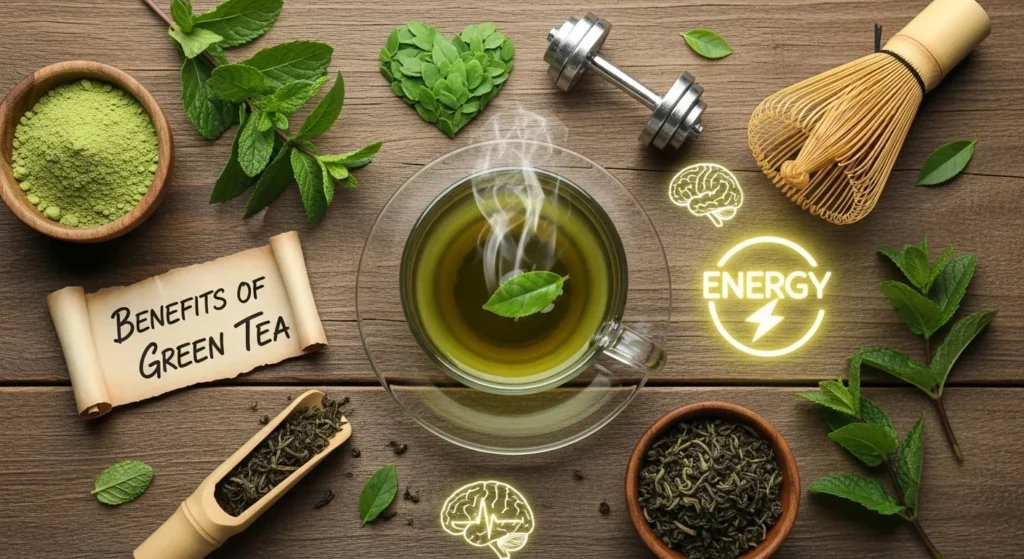

Imagine starting your morning with a warm cup of green tea instead of your usual coffee. You feel a gentle energy boost, your mind feels clearer, and over time, you notice steadier moods and fewer sluggish afternoons. Many people around the world enjoy this simple ritual, and research suggests it may offer real health support.
Green tea comes from the Camellia sinensis plant and is packed with natural compounds called polyphenols, especially catechins. These give it strong antioxidant power, helping protect cells from damage. Regular drinking links to better heart health, balanced weight, improved mood, and lower risks for some chronic issues like heart disease or type 2 diabetes. In busy lives full of stress and processed foods, adding green tea can be an easy way to support overall wellness.
In this article, you will learn about the benefits of green tea, how it works in the body, potential downsides, ways to enjoy it safely, and more. This information draws from scientific studies to provide balanced, trustworthy guidance. Always talk to a healthcare professional before making big diet changes, especially if you have health conditions or take medications.
What is Green Tea?
Green tea is an unoxidized tea made from leaves of the Camellia sinensis plant. Unlike black tea, its leaves are steamed or pan-fried soon after picking to prevent oxidation, preserving high levels of catechins like epigallocatechin-3-gallate (EGCG).
In everyday language, it’s a light, grassy-flavored drink loaded with antioxidants that fight cell damage from daily wear and tear. It affects the body by reducing inflammation, supporting metabolism, and protecting organs like the heart and brain.
For example, someone drinking 2-3 cups daily might notice better focus during work and less bloating after meals, thanks to its gentle effects on digestion and energy.
Causes and Risk Factors
The topic focuses on benefits, so there are no “causes” of benefits like a disease. Instead, factors influence how much benefit people get from green tea:
- Low intake or poor quality: Not drinking enough or using low-grade tea limits catechin exposure.
- Lifestyle habits: High stress, poor diet, or inactivity can reduce overall effects.
- Individual differences: Age, genetics, gut health, or medications affect absorption of active compounds.
- Preparation method: Over-boiling or using old leaves lowers catechin levels.
- Caffeine sensitivity: Some people limit intake due to caffeine.
Environmental factors like growing region affect catechin content, but consistent moderate use maximizes potential advantages.
Symptoms and Warning Signs
Green tea offers benefits rather than causing symptoms. Overconsumption or sensitivity may lead to mild issues:
Early signs of too much:
- Jitteriness or restlessness from caffeine
- Stomach upset or nausea (especially on empty stomach)
- Headaches or trouble sleeping
Advanced or rare signs:
- Iron absorption issues over long term (from tannins)
- Liver concerns from very high-dose extracts (not brewed tea)
Stop or reduce if you feel anxious, have digestive discomfort, or notice sleep changes. See a doctor for persistent issues, unusual fatigue, or if taking medications, as interactions can occur.
How It Works in the Body
Green tea’s benefits come mainly from catechins, especially EGCG. Here’s a simple step-by-step:
- Ingestion: You drink brewed tea; catechins enter the digestive system.
- Absorption: Some catechins absorb in the small intestine; gut bacteria help break others down.
- Circulation: They enter blood, reaching organs like heart, brain, and liver.
- Action: Act as antioxidants to neutralize harmful free radicals; reduce inflammation by calming immune signals; support metabolism by aiding fat use.
- Effects: Help maintain healthy cholesterol, blood pressure, blood sugar; protect brain cells; promote good gut bacteria.
Think of catechins as tiny shields protecting cells from daily damage, like rust-proofing metal, while gently boosting energy pathways.
Types / Classification
Green tea varieties differ slightly in processing and benefits.
Standard Green Tea (Sencha, Gunpowder)
Common steamed or fired leaves; high in catechins for heart and antioxidant support.
Matcha
Powdered whole leaves; you consume the full leaf, so higher EGCG for stronger effects on metabolism and focus.
Roasted Green Tea (Hojicha)
Roasted for nutty flavor; lower caffeine, milder catechins, good for evening.
Gyokuro or High-Shade
Shade-grown; richer in theanine (calming amino acid) with catechins for mood and relaxation benefits.
These types offer similar core advantages, with variations in strength and caffeine.
Diagnosis and Medical Tests
No diagnosis needed for enjoying benefits. If concerned about intake effects:
Doctors assess via history and symptoms. Tests might include:
- Blood work for iron levels (if absorption worry)
- Liver function tests (rare, for high extract use)
- Caffeine sensitivity checks
Results help guide safe use. Most people need no tests; enjoy in moderation.
Treatment Options
Green tea supports health as part of lifestyle. No “treatment” required.
- Lifestyle changes: Drink 2-4 cups brewed tea daily.
- Supplements: Extracts provide concentrated catechins (discuss with doctor due to risks).
- Medications: None specific; consult for interactions.
- No surgery or therapy typical.
Focus on whole-leaf brewed tea for safety.
Prevention Tips
To gain benefits of green tea safely:
- Drink 2-4 cups daily; brew fresh leaves 1-3 minutes at 80°C (not boiling).
- Pair with meals to aid digestion; avoid empty stomach if sensitive.
- Choose quality loose-leaf or bags; store cool/dark.
- Stay active and eat balanced for amplified effects.
- Limit if caffeine-sensitive; try decaf or low-caffeine types.
- Hydrate well; combine with fruits/veggies for more antioxidants.
These habits build long-term wellness support.
Advantages and Disadvantages
Advantages of green tea:
- Supports heart health with better cholesterol/blood pressure
- Aids mild weight management and metabolism
- Boosts brain function, mood, focus
- Provides antioxidants for cell protection
- May lower risks for diabetes, some cancers
Disadvantages or risks:
- Caffeine can cause jitters, insomnia in excess
- Tannins may reduce iron absorption (pair with vitamin C)
- High extracts link to rare liver issues
- Stomach upset in some
- Interactions with certain drugs (e.g., blood thinners)
Moderate brewed tea offers more pros than cons for most.
Applications / Real-Life Impact
Daily green tea improves energy for work or family without coffee crashes. Fitness trainers note better recovery; caregivers see calmer moods in loved ones.
It reduces daily inflammation, supporting active lifestyles. Socially, sharing tea builds connections. Emotionally, theanine promotes calm focus, easing stress.
Common Questions & Practical Solutions (FAQ Style)
Q1: Can the benefits of green tea be achieved easily?
Yes, 2-3 cups of brewed green tea daily often provides noticeable support for heart, energy, and mood over weeks to months.
Q2: Is green tea dangerous?
No, moderate amounts (up to 8 cups) are safe for most. Excess or high-dose extracts carry risks like caffeine effects or rare liver concerns.
Q3: Can benefits be prevented from being lost?
Yes—brew properly, drink consistently, avoid excess sugar, combine with healthy habits like exercise and balanced meals.
Q4: Does it help with weight?
It supports metabolism and fat use modestly, best with diet/exercise; not a magic solution.
Future Trends and Medical Advances
Research on green tea grows, focusing on EGCG and catechins. 2025-2026 studies highlight gut microbiome modulation for better immunity and brain health via gut-brain axis.
Advances include nanotechnology for better absorption of catechins, personalized supplements based on genetics, and targeted delivery for conditions like inflammation or aging.
Market trends show rising green tea catechins in functional foods/supplements. Ongoing trials explore roles in longevity, cognitive protection, and metabolic health, with emphasis on whole tea over high-dose extracts for safety.
Conclusion
The benefits of green tea include antioxidant protection, heart support, better metabolism, mood enhancement, and potential risk reduction for chronic issues. Its catechins work gently in the body to fight damage and promote balance.
Enjoy it as part of a healthy lifestyle—moderate cups daily, good diet, movement, and stress care. Be mindful of personal tolerance and consult professionals if needed. Small habits like this build lasting wellness. Start today for brighter, healthier days ahead.