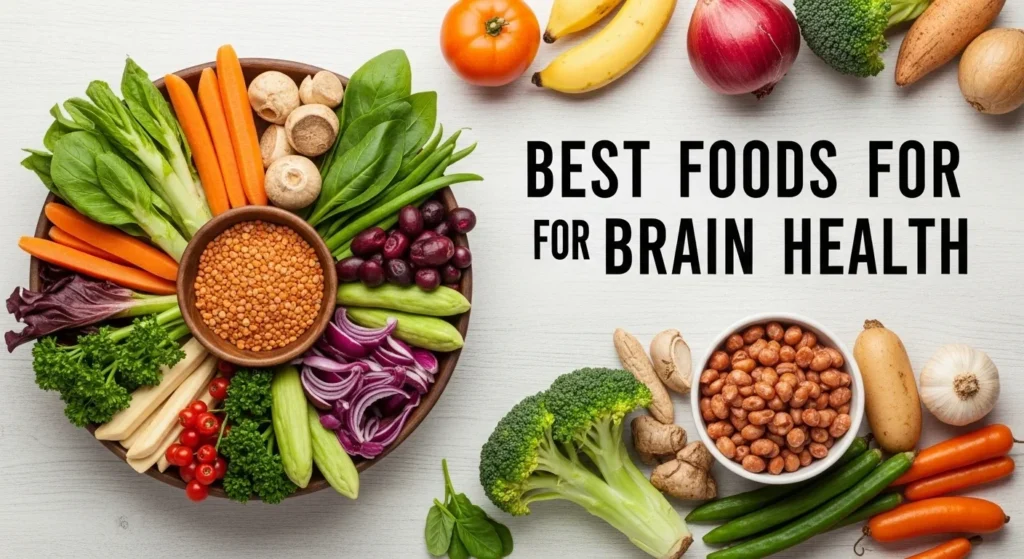

Imagine a student preparing for an important exam. Despite studying for hours, they feel tired, unfocused, and forgetful. Now imagine another student who eats balanced meals with fruits, nuts, fish, and vegetables. This student feels energetic, remembers information better, and stays focused longer. The difference is not only study habits — it is also brain nutrition.
Our brain controls everything we do. It helps us think, remember, learn, move, and make decisions. Just like the heart and muscles, the brain needs proper nutrients to work efficiently. Poor nutrition can affect concentration, memory, mood, and long-term mental health.
Many people focus on physical fitness but forget that brain health is equally important. The foods we eat every day can either support or damage brain function.
In this article, you will learn about the best foods for brain health, how nutrition affects brain function, important nutrients that improve memory and concentration, and practical tips to keep your brain healthy. This guide will help students, caregivers, health beginners, and anyone who wants to support their brain through proper diet.
2. What Are Best Foods for Brain Health?
The best foods for brain health are foods that provide essential nutrients that support brain cells, improve memory, enhance concentration, and protect the brain from damage.
In simple words, these foods act as fuel for the brain.
Our brain uses about 20% of the body’s total energy, even though it only makes up a small portion of body weight. To perform tasks like thinking, problem-solving, and remembering, the brain needs nutrients such as:
- Healthy fats
- Antioxidants
- Vitamins
- Minerals
- Protein
Foods rich in these nutrients help brain cells communicate properly and reduce inflammation that may damage brain tissues.
Real-Life Example
A person who regularly eats fast food, sugary drinks, and processed snacks may experience fatigue, poor focus, and mood swings. In contrast, someone who consumes fruits, vegetables, fish, nuts, and whole grains often has better memory, concentration, and mental clarity.
This shows how diet directly affects brain performance.
3. Causes and Risk Factors Affecting Brain Health
Poor brain health can be influenced by several factors, especially diet and lifestyle choices.
1. Poor Nutrition
Lack of important nutrients such as omega-3 fatty acids, vitamins, and antioxidants can reduce brain efficiency.
2. Excess Sugar Consumption
Too much sugar may cause inflammation and negatively affect memory and learning ability.
3. Processed and Junk Foods
Highly processed foods often contain unhealthy fats and additives that may damage brain cells over time.
4. Lack of Physical Activity
Regular exercise improves blood flow to the brain. Without activity, brain performance may decline.
5. Chronic Stress
Long-term stress increases harmful hormones that can damage brain cells.
6. Poor Sleep
Sleep is essential for memory and learning. Lack of sleep affects concentration and cognitive function.
7. Aging
As people age, brain cells may naturally decline, making nutrition even more important.
8. Genetic Factors
Some individuals may have a higher risk of memory disorders due to family history.
Understanding these brain health causes and risk factors helps people take early steps to protect their mental abilities.
4. Symptoms and Warning Signs of Poor Brain Health
Poor nutrition and lifestyle habits can gradually affect brain function.
Early Symptoms
- Difficulty concentrating
- Mild forgetfulness
- Mental fatigue
- Lack of motivation
- Mood changes
Advanced Symptoms
- Memory loss
- Confusion
- Slow thinking
- Difficulty solving problems
- Reduced learning ability
When to See a Doctor
Medical advice is recommended if someone experiences:
- Frequent memory loss
- Difficulty performing daily tasks
- Sudden personality changes
- Severe confusion
Early evaluation helps identify possible underlying conditions.
5. How Brain Nutrition Works in the Body
The brain functions like a high-performance engine. To run smoothly, it needs the right fuel.
Here is a simple step-by-step explanation:
Step 1: Nutrients Enter the Body
When we eat food, the digestive system breaks it down into nutrients such as glucose, vitamins, and fatty acids.
Step 2: Nutrients Reach the Brain
These nutrients travel through the bloodstream to the brain.
Step 3: Brain Cells Use the Nutrients
Brain cells, also called neurons, use nutrients to:
- Produce energy
- Communicate with other neurons
- Repair damaged cells
Step 4: Protection Against Damage
Antioxidants from fruits and vegetables help protect brain cells from harmful molecules called free radicals.
Simple Analogy
Think of the brain as a computer. Healthy foods provide the electricity and protection that keep the computer running smoothly.
Without proper nutrients, the system becomes slow and inefficient.
6. Types of Brain-Healthy Foods
Different foods support brain health in different ways.
Fatty Fish
Fatty fish are among the best foods for brain health because they contain omega-3 fatty acids.
Examples include:
- Salmon
- Sardines
- Mackerel
- Tuna
Omega-3 fats help build brain cells and improve memory and learning ability.
Berries
Berries contain powerful antioxidants that protect the brain.
Examples:
- Blueberries
- Strawberries
- Blackberries
These fruits may help improve memory and reduce brain aging.
Nuts and Seeds
Nuts are rich in healthy fats, vitamin E, and antioxidants.
Common brain-boosting nuts include:
- Walnuts
- Almonds
- Sunflower seeds
- Pumpkin seeds
Vitamin E protects brain cells from damage.
Leafy Green Vegetables
Green vegetables contain vitamins and minerals essential for brain health.
Examples:
- Spinach
- Kale
- Broccoli
- Lettuce
These foods support cognitive function and help reduce brain inflammation.
Whole Grains
Whole grains provide steady energy for the brain.
Examples include:
- Brown rice
- Oats
- Whole wheat
- Quinoa
They help maintain stable blood sugar levels, which improves concentration.
Eggs
Eggs contain important nutrients such as:
- Vitamin B6
- Vitamin B12
- Choline
Choline is important for producing chemicals that support memory and brain communication.
Dark Chocolate
Dark chocolate contains antioxidants and natural stimulants that improve mood and concentration.
However, it should be consumed in moderation.
7. Diagnosis and Medical Tests
Brain health problems are usually diagnosed by healthcare professionals using several methods.
Medical History
Doctors ask questions about:
- Memory problems
- Diet habits
- Sleep patterns
- Stress levels
Physical Examination
Doctors check neurological functions such as reflexes and coordination.
Cognitive Tests
These tests evaluate memory, attention, and problem-solving ability.
Brain Imaging
Sometimes doctors may recommend:
- MRI scans
- CT scans
These tests help detect structural problems in the brain.
Understanding diagnosis methods helps detect serious conditions early.
8. Treatment Options
If brain health problems occur, treatment may involve multiple approaches.
Medical Treatments
Doctors may recommend medications to improve cognitive function or treat underlying medical conditions.
Medication should only be taken under professional supervision.
Therapy Options
Some people benefit from:
- Cognitive therapy
- Memory training programs
- Mental exercises
These methods strengthen brain activity.
Lifestyle Changes
Healthy habits play a major role in brain health treatment.
Important lifestyle changes include:
- Balanced diet
- Regular physical exercise
- Stress management
- Proper sleep
Nutritional Support
Doctors may recommend certain supplements if nutrient deficiencies are present.
However, natural food sources are usually the best option.
9. Brain Health Prevention Tips
Preventing brain problems is easier than treating them.
Here are practical brain health prevention tips.
Eat a Balanced Diet
Include foods rich in:
- Omega-3 fats
- Vitamins
- Antioxidants
Stay Physically Active
Exercise improves blood circulation to the brain.
Activities may include:
- Walking
- Cycling
- Swimming
Train Your Brain
Mental activities keep the brain active.
Examples:
- Reading
- Learning new skills
- Puzzles and memory games
Get Enough Sleep
Adults usually need 7–9 hours of sleep for optimal brain performance.
Manage Stress
Relaxation techniques such as meditation or deep breathing can protect brain health.
10. Advantages and Disadvantages
Understanding the advantages and disadvantages of brain-healthy foods helps people make balanced decisions.
Advantages
- Improved memory
- Better concentration
- Reduced risk of cognitive decline
- Improved mood and mental clarity
- Better long-term brain protection
Disadvantages
There are generally very few disadvantages when consuming natural healthy foods. However:
- Excessive calorie intake may cause weight gain.
- Some people may have allergies to certain foods such as nuts or seafood.
Overall, the benefits greatly outweigh the risks.
11. Real-Life Impact of Brain Health
Brain health strongly affects everyday life.
Impact on Learning
Students with proper nutrition often experience better focus, faster learning, and improved memory.
Impact on Work Performance
Professionals who maintain good brain health may have:
- Higher productivity
- Better decision-making skills
- Stronger problem-solving ability
Impact on Emotional Well-Being
Brain nutrition also influences mood. Healthy diets may reduce stress, anxiety, and fatigue.
Family and Social Life
People with better mental health often maintain stronger relationships and communication.
12. Common Questions & Practical Solutions
Q1: Can brain health be improved with food?
Yes. Eating brain-healthy foods regularly can improve memory, concentration, and mental energy over time.
Q2: Are supplements better than natural foods?
Natural foods are usually better because they provide multiple nutrients together. Supplements should only be used when recommended by a healthcare professional.
Q3: How long does it take to see benefits?
Positive changes may begin within a few weeks of maintaining a healthy diet and lifestyle.
Q4: Can brain decline be prevented completely?
Aging cannot be stopped, but healthy habits can significantly reduce the risk of cognitive decline.
Q5: Is coffee good for the brain?
Moderate coffee intake may improve alertness and concentration. However, excessive consumption may cause anxiety or sleep problems.
13. Future Trends and Medical Advances
Brain health research is growing rapidly.
Nutritional Neuroscience
Scientists are studying how specific nutrients affect brain cells and memory.
Personalized Nutrition
Future healthcare may provide personalized diets based on genetic and metabolic factors.
Brain Health Technology
Digital tools and apps are being developed to monitor cognitive performance and mental health.
Preventive Medicine
Doctors are increasingly focusing on prevention through lifestyle and nutrition rather than only treating disease.
These advancements may help improve brain health worldwide.
14. Conclusion
Brain health plays a vital role in how we think, learn, remember, and perform daily activities. The foods we eat can either strengthen our brain or slowly damage it over time. Choosing the best foods for brain health, such as fatty fish, berries, nuts, leafy vegetables, whole grains, and eggs, provides essential nutrients that support brain cells and protect them from damage.
Healthy lifestyle habits including regular exercise, proper sleep, stress management, and mental activities also contribute significantly to cognitive health. While diet alone cannot prevent every brain disorder, it can greatly reduce risks and improve mental performance.
Maintaining brain health should be a lifelong priority. If someone experiences persistent memory problems or cognitive changes, consulting a qualified healthcare professional is important for proper evaluation and guidance.
Taking small daily steps today can lead to a healthier and sharper mind in the future.