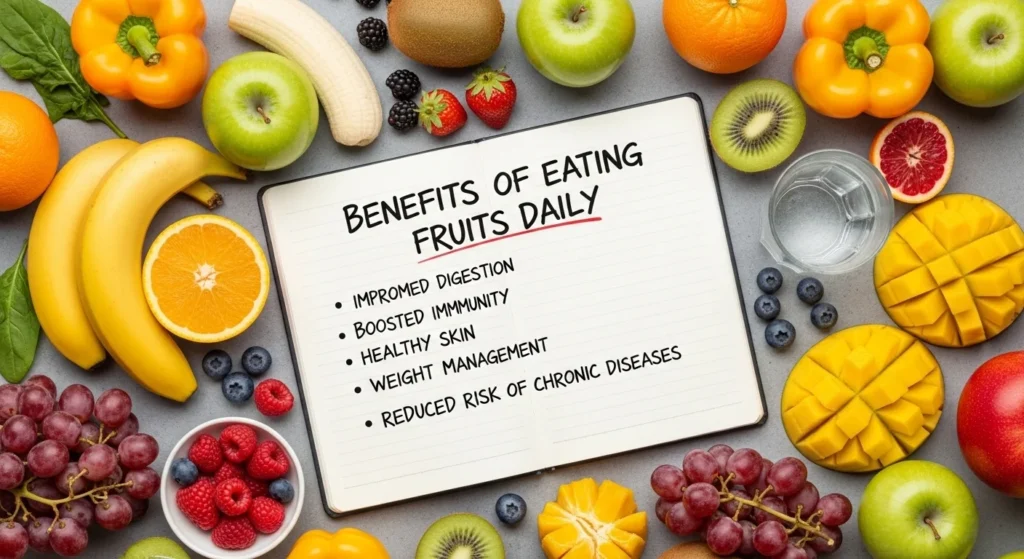

Imagine starting your day with a fresh bowl of fruits—juicy oranges, sweet berries, and crunchy apples. You might think it’s just a tasty habit, but this simple routine can have a profound effect on your health. Eating fruits daily is one of the easiest ways to provide your body with essential vitamins, minerals, and antioxidants.
This health topic is important because many people struggle with poor diets, leading to chronic illnesses like obesity, heart disease, and diabetes. Consuming fruits regularly supports overall wellness, boosts energy, and strengthens the immune system.
In this article, you will learn why eating fruits daily is beneficial, how it affects the body, the health risks of inadequate fruit intake, preventive measures, and practical tips to incorporate more fruits into your daily diet. By the end, you will understand how this simple habit can improve your long-term health and quality of life.
What is the Benefits of Eating Fruits Daily?
Eating fruits daily refers to the habit of consuming fresh fruits as a regular part of your meals. Fruits are naturally rich in vitamins, minerals, fiber, and antioxidants that protect the body from disease.
In simple terms, fruits act as natural health boosters. They support digestion, enhance energy levels, strengthen immunity, and help maintain a healthy weight.
Example: An apple a day provides fiber for digestion, vitamin C for immunity, and antioxidants that protect your cells. Regular fruit consumption has been linked to reduced risks of heart disease, certain cancers, and obesity.
Causes and Risk Factors of Poor Fruit Intake
Skipping fruits or eating them rarely can increase health risks.
Main causes:
- Lack of awareness about nutritional benefits
- Busy lifestyle and reliance on processed foods
Lifestyle-related factors:
- Preference for sugary snacks over natural fruits
- Limited access to fresh produce
- Inconsistent meal planning
Genetic or environmental factors:
- Family habits or traditions with low fruit consumption
- Living in areas with limited fruit availability
Symptoms and Warning Signs of Low Fruit Intake
Not eating enough fruits can lead to subtle but important health changes.
Early symptoms:
- Fatigue and low energy
- Constipation or digestive issues
- Weak immunity, frequent colds
Advanced symptoms:
- Vitamin deficiencies (e.g., scurvy from lack of vitamin C)
- Increased risk of chronic diseases like heart disease or diabetes
- Poor skin health and premature aging
When to see a doctor:
- Persistent fatigue or frequent illness
- Signs of nutrient deficiencies
- Unexplained weight changes or digestive problems
How Eating Fruits Works in the Body
Fruits benefit the body through several biological processes:
- Digestive Support: Fiber in fruits regulates bowel movements and promotes gut health.
- Immune Boost: Vitamins such as vitamin C and antioxidants enhance immune function.
- Energy Production: Natural sugars and carbohydrates provide quick, healthy energy.
- Detoxification: Antioxidants neutralize harmful free radicals, protecting cells.
Analogy: Think of fruits as natural fuel and maintenance for your body—they power it and keep it running smoothly.
Types of Fruits and Their Benefits
Citrus Fruits
Oranges, lemons, and grapefruits are rich in vitamin C, boosting immunity and skin health.
Berries
Strawberries, blueberries, and raspberries provide antioxidants that protect cells from damage.
Tropical Fruits
Mangoes, pineapples, and papayas are high in vitamins A and C and support eye health and digestion.
Apples and Pears
These fruits are high in fiber and promote digestive health and satiety, helping with weight management.
Melons
Watermelon and cantaloupe hydrate the body and provide essential minerals like potassium.
Diagnosis and Medical Tests
While eating fruits daily is generally safe, doctors may assess nutritional health through:
- Blood tests: Check for vitamin deficiencies such as vitamin C, vitamin D, or B-complex vitamins.
- BMI and weight tracking: Monitor overall health impact of diet.
- Digestive health tests: Evaluate fiber intake and gut function.
Interpretation: Low nutrient levels indicate the need to increase fruit and vegetable consumption.
Treatment Options for Deficiency
If low fruit intake has caused health issues, the following strategies can help:
Medical treatments:
- Vitamin supplements for deficiencies (e.g., vitamin C or multivitamins)
- Nutritional counseling for a balanced diet
Therapy options:
- Diet planning with a nutritionist
- Incorporating fruits into every meal gradually
Lifestyle changes:
- Replace processed snacks with fresh fruits
- Include fruit-based smoothies, salads, or desserts
- Educate family members about healthy habits
Prevention Tips
Maintaining regular fruit intake can prevent many health issues:
- Healthy habits: Keep fruits visible and accessible at home or workplace
- Diet recommendations: Aim for at least 2–3 servings of different fruits daily
- Exercise: Regular physical activity enhances nutrient utilization
- Mental wellness: Preparing fruits can be a mindful and relaxing practice
Advantages and Disadvantages
Advantages:
- Reduces risk of heart disease, diabetes, and obesity
- Provides essential nutrients and antioxidants
- Supports digestion and weight management
- Enhances skin health and immunity
Disadvantages:
- Excessive fruit intake may lead to high sugar consumption (fructose)
- Some fruits may interact with medications (e.g., grapefruit with certain drugs)
- Risk of digestive upset if consumed in very large quantities
Applications / Real-Life Impact
Eating fruits daily impacts life in multiple ways:
- Health: Reduces illness frequency and improves energy levels
- Work and family: Fewer sick days, improved productivity, and positive family habits
- Social and emotional: Enhances mood and promotes a sense of well-being
Example: Children who eat fruits daily perform better in school and are less prone to obesity.
Common Questions & Practical Solutions
Q1: Can eating fruits daily cure diseases?
A: No, fruits support health but cannot replace medical treatment for serious conditions.
Q2: Is eating too many fruits dangerous?
A: Excess can increase sugar intake or digestive issues, but moderate consumption is safe.
Q3: Can it be prevented?
A: Yes, making fruits a daily habit prevents nutrient deficiencies and supports long-term health.
Future Trends and Medical Advances
Research continues to explore how fruits impact health:
- Functional fruits: Genetically enriched fruits with higher nutrient content
- Disease prevention studies: Linking fruit intake to reduced cancer and heart disease risks
- Technology in diet planning: Apps track fruit intake and provide personalized nutrition tips
- Preventive medicine: Integrating fruits into population-wide wellness programs
Conclusion
Eating fruits daily is a simple yet powerful habit that promotes overall health. From boosting immunity to supporting digestion, maintaining energy, and preventing chronic diseases, fruits are natural health allies. By incorporating a variety of fruits into meals, practicing mindful eating, and balancing other aspects of lifestyle, you can achieve long-term wellness and improved quality of life. Awareness and consistency are key to reaping the maximum benefits.