
Many people notice small changes as they grow older. For example, a person who once had plenty of energy may start feeling tired more quickly, or someone who rarely visited the doctor may begin experiencing minor health issues. These changes are a natural part of life, but how we manage them can greatly affect our quality of life.
Healthy aging is not just about living longer. It is about maintaining physical health, mental clarity, emotional balance, and independence as we grow older. The habits we follow every day—such as eating nutritious food, staying physically active, sleeping well, and managing stress—play a major role in how our bodies age.
The importance of healthy aging tips is increasing worldwide because people are living longer than ever before. With longer life expectancy, it becomes essential to maintain good health during later years.
This article explains what healthy aging means, the factors that influence it, common signs of unhealthy aging, and practical strategies that support long-term well-being. You will also learn about healthy aging causes, healthy aging symptoms, healthy aging treatment, and healthy aging prevention strategies that can help individuals live healthier and more active lives.
What is Healthy Aging?
Healthy aging refers to the process of maintaining physical, mental, and social well-being as people grow older. In medical terms, it means reducing the risk of age-related diseases while preserving functional ability and independence.
In simple words, healthy aging means staying active, mentally sharp, and emotionally balanced as we age.
Aging affects many systems in the body. Muscles may become weaker, bones can lose density, metabolism slows down, and the immune system may become less efficient. However, these changes do not necessarily lead to poor health.
For example, two people may both be 70 years old, but one may remain active, independent, and energetic, while the other struggles with health issues. The difference often comes from lifestyle choices and preventive care.
Following proper healthy aging tips can help individuals maintain strength, reduce disease risk, and enjoy a higher quality of life.
Causes and Risk Factors
Several factors influence how well a person ages. Some factors cannot be controlled, while others depend on lifestyle choices.
Main Healthy Aging Causes
- Natural biological aging
Over time, cells and tissues gradually lose efficiency, which affects body functions. - Hormonal changes
Hormone levels may decrease with age, influencing metabolism, bone strength, and muscle mass.
Lifestyle-Related Factors
- Poor diet lacking essential nutrients
- Lack of physical activity
- Smoking or excessive alcohol consumption
- Chronic stress
- Poor sleep habits
Genetic or Environmental Factors
- Family history of chronic diseases
- Exposure to pollution or toxins
- Limited access to healthcare
These factors contribute to healthy aging causes and can affect overall well-being if not managed properly.
Symptoms and Warning Signs
Aging is natural, but some symptoms may indicate that the body needs better care.
Early Healthy Aging Symptoms
- Reduced energy levels
- Mild joint stiffness
- Slower metabolism
- Occasional memory lapses
Advanced Symptoms
- Frequent fatigue
- Loss of muscle strength
- Increased risk of chronic diseases
- Difficulty with mobility or balance
When to See a Doctor
If someone experiences persistent fatigue, severe joint pain, memory loss, or sudden weight changes, it is important to consult a healthcare professional.
Early medical advice can help identify potential health problems and support better aging outcomes.
How Aging Works in the Body
Aging affects the body gradually through several biological processes.
Cells in the body constantly divide and repair themselves. Over time, this process becomes slower and less efficient. As a result, tissues take longer to heal and recover.
The immune system also becomes less responsive. This makes older adults more vulnerable to infections and illnesses.
Think of the body like a machine that has been working for many years. With proper maintenance—such as good nutrition, exercise, and regular check-ups—the machine continues working efficiently.
Similarly, following healthy aging tips helps maintain the body’s systems and delays many age-related health problems.
Types / Classification of Aging
Although aging affects everyone, researchers often describe different aspects of aging.
Physical Aging
Physical aging refers to changes in the body’s structure and strength.
Examples include:
- Reduced muscle mass
- Thinner skin
- Decreased bone density
These changes can influence mobility and overall physical health.
Cognitive Aging
Cognitive aging involves changes in memory, thinking ability, and concentration.
Normal cognitive aging may include slower processing speed or occasional forgetfulness, but serious memory loss should always be evaluated by a healthcare professional.
Both types highlight the importance of following healthy aging tips to support both body and mind.
Diagnosis and Medical Tests
Doctors evaluate healthy aging through routine health assessments rather than a single diagnostic test.
Common methods include:
- Physical examinations
- Blood pressure monitoring
- Blood tests to check cholesterol, blood sugar, and nutrient levels
- Bone density scans
- Cognitive function assessments
These tests help detect early signs of health problems such as diabetes, osteoporosis, or cardiovascular disease.
Understanding test results allows doctors to recommend appropriate healthy aging treatment or lifestyle changes.
Treatment Options
Healthy aging treatment focuses mainly on preventive care and lifestyle improvements.
Medical Treatments
Doctors may recommend treatment for age-related conditions such as:
- High blood pressure
- Diabetes
- Arthritis
- Heart disease
Managing these conditions helps maintain overall health.
Medications
Some individuals may need medications to control chronic diseases. These medications are prescribed and monitored by healthcare professionals.
Therapy Options
Therapies that support healthy aging include:
- Physical therapy to improve mobility
- Cognitive therapy for memory support
- Nutritional counseling
Lifestyle Changes
The most effective healthy aging treatment often involves lifestyle adjustments such as:
- Balanced diet
- Regular exercise
- Stress management
- Adequate sleep
Surgery may sometimes be necessary for specific medical conditions, but it is not a common approach to aging itself.
Prevention Tips
Preventive habits play a key role in maintaining health during older age.
Healthy Habits
- Maintain regular physical activity
- Stay socially active
- Avoid smoking
Diet Recommendations
A balanced diet supports healthy aging. Important foods include:
- Fruits and vegetables
- Whole grains
- Lean proteins
- Healthy fats
These foods provide vitamins, minerals, and antioxidants that protect body cells.
Exercise Suggestions
Regular exercise improves:
- Muscle strength
- Heart health
- Balance and flexibility
Examples include walking, swimming, yoga, and light strength training.
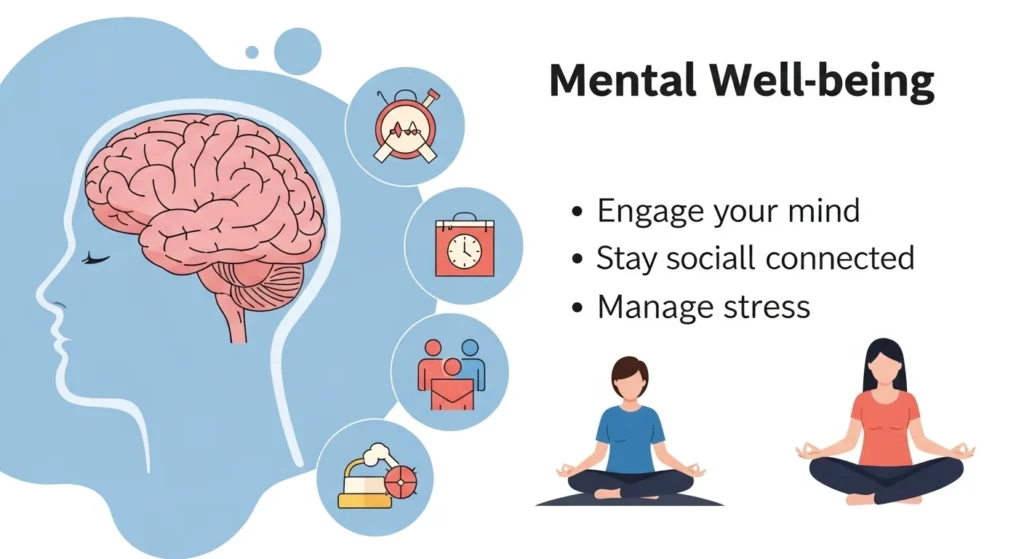
Mental Wellness Tips
Mental health is equally important.
Helpful practices include:
- Meditation
- Reading and learning new skills
- Spending time with friends and family
These habits support healthy aging prevention and improve quality of life.
Advantages and Disadvantages
Understanding healthy aging advantages and disadvantages helps people make better health decisions.
Advantages
- Longer life expectancy
- Greater independence in older age
- Reduced risk of chronic diseases
- Improved physical and mental health
Disadvantages of Ignoring Healthy Aging
If healthy habits are ignored, individuals may experience:
- Increased disease risk
- Reduced mobility
- Loss of independence
- Lower quality of life
Adopting preventive strategies early can greatly improve aging outcomes.
Applications / Real-Life Impact
Healthy aging affects many aspects of daily life.
People who follow healthy aging tips often remain active and independent for longer periods. They can continue working, traveling, and enjoying hobbies.
Healthy aging also benefits families. Older adults who maintain good health are better able to participate in family activities and support younger generations.
Emotionally, staying healthy reduces stress and improves overall happiness.
From a social perspective, healthy aging reduces healthcare costs and helps communities maintain a productive aging population.
Common Questions & Practical Solutions (FAQ)
Q1: Can healthy aging be achieved by everyone?
Yes. While genetics play a role, lifestyle choices greatly influence aging. Healthy habits can improve quality of life at any age.
Q2: Is aging a disease?
No. Aging is a natural biological process. However, poor lifestyle choices may increase the risk of age-related diseases.
Q3: Can healthy aging be prevented?
Aging itself cannot be prevented, but healthy aging prevention strategies can delay many health problems and support longer, healthier lives.
Future Trends and Medical Advances
Medical science is continuously exploring new ways to support healthy aging.
Researchers are studying how nutrition, exercise, and genetics influence aging at the cellular level.
Emerging developments include:
- Personalized nutrition plans
- Advanced screening for early disease detection
- Technology-based health monitoring devices
- New treatments targeting age-related diseases
Preventive medicine is becoming increasingly important as healthcare systems focus on maintaining health rather than simply treating illness.
These advancements may further improve the effectiveness of healthy aging treatment strategies in the future.
Conclusion
Healthy aging is a lifelong process that depends on daily habits, preventive care, and awareness of health needs. While aging cannot be stopped, individuals can greatly influence how they experience it.
Following practical healthy aging tips—such as maintaining a balanced diet, exercising regularly, managing stress, and attending regular health check-ups—can help preserve physical strength, mental clarity, and emotional well-being.
Understanding healthy aging causes, recognizing healthy aging symptoms, and adopting effective healthy aging prevention strategies allow people to maintain independence and enjoy life at every stage.
By making healthy choices today, individuals can support a longer, more active, and fulfilling future. Consulting healthcare professionals for personalized guidance is always recommended when planning long-term health strategies.