
Imagine a typical morning in a family home. A child wakes up, rushes to school without breakfast, spends hours sitting in class, and later comes home to watch television or play video games. While this routine may seem normal, it may not support the child’s long-term health. Children need balanced nutrition, physical activity, good sleep, and emotional care to grow and develop properly.
The topic of healthy habits for children is extremely important because childhood is the stage when the body and brain grow rapidly. Good habits developed early can improve physical health, strengthen immunity, enhance learning ability, and reduce the risk of chronic diseases later in life. On the other hand, poor habits such as unhealthy eating, lack of exercise, and irregular sleep can affect both physical and mental well-being.
In this article, you will learn what healthy habits for children mean, their causes and risk factors when they are missing, common warning signs, how healthy routines support the body, and practical steps for prevention and improvement. The goal is to help parents, caregivers, and health learners understand how simple daily routines can create healthier and happier children.
What is Healthy Habits for Children?
Healthy habits for children refer to daily behaviors that promote physical, mental, and emotional well-being in growing children. These habits include balanced nutrition, regular physical activity, good sleep routines, hygiene practices, and positive emotional support.
In simple terms, healthy habits are the small actions children repeat every day that help their bodies grow stronger and their minds stay active. These habits shape how the body functions, including metabolism, immunity, brain development, and emotional stability.
For example, a child who eats fruits and vegetables, plays outside regularly, drinks enough water, and sleeps early is more likely to maintain good energy levels and strong immunity. These healthy routines support proper growth, learning ability, and overall development.
Developing healthy habits during childhood also creates lifelong patterns. Many adults continue the same lifestyle habits they learned as children, making early education about healthy behaviors extremely valuable.
Causes and Risk Factors
When healthy habits are missing, several causes and risk factors may be involved.
Main causes
- Lack of awareness about healthy lifestyle practices
- Busy family schedules leading to irregular meals and routines
- Easy access to unhealthy foods and digital entertainment
Lifestyle-related factors
- Excessive screen time from phones, tablets, and television
- Limited outdoor play or physical activity
- High consumption of sugary snacks and fast food
- Irregular sleep schedules
Genetic or environmental factors
- Family history of obesity or metabolic disorders
- Living in environments with limited playgrounds or safe outdoor spaces
- Cultural habits that prioritize convenience foods
Understanding these healthy habits for children causes helps parents and caregivers identify areas where lifestyle changes may be needed.
Symptoms and Warning Signs
When children do not follow healthy routines, certain warning signs may appear.
Early symptoms
- Low energy or frequent tiredness
- Difficulty concentrating in school
- Poor appetite or unhealthy food cravings
- Mild digestive problems
Advanced symptoms
- Weight gain or obesity
- Frequent infections due to weaker immunity
- Sleep disturbances
- Mood changes such as irritability or anxiety
When to see a doctor
Parents should consult a healthcare professional if a child experiences:
- Persistent fatigue or poor growth
- Sudden weight changes
- Behavioral changes affecting school or daily life
- Nutritional deficiencies
Recognizing healthy habits for children symptoms early can help prevent long-term health complications.
How Healthy Habits Work in the Body
Healthy habits support several important biological processes in children’s bodies.
- Energy Balance
Balanced nutrition provides carbohydrates, proteins, and fats that fuel daily activities and growth. - Immune Strength
Vitamins and minerals from fruits, vegetables, and whole foods support immune cells that protect against infections. - Brain Development
Healthy foods and good sleep help the brain develop properly, improving memory, focus, and emotional control. - Physical Growth
Exercise and nutrients help bones, muscles, and organs grow stronger.
Think of healthy habits like building blocks. Each small habit—such as drinking water, sleeping well, or playing outdoors—adds another block to a child’s foundation of health.
Types of Healthy Habits for Children
Nutrition Habits
Children need balanced meals that include fruits, vegetables, whole grains, protein, and dairy products. Healthy nutrition supports growth, brain function, and energy levels.
Physical Activity Habits
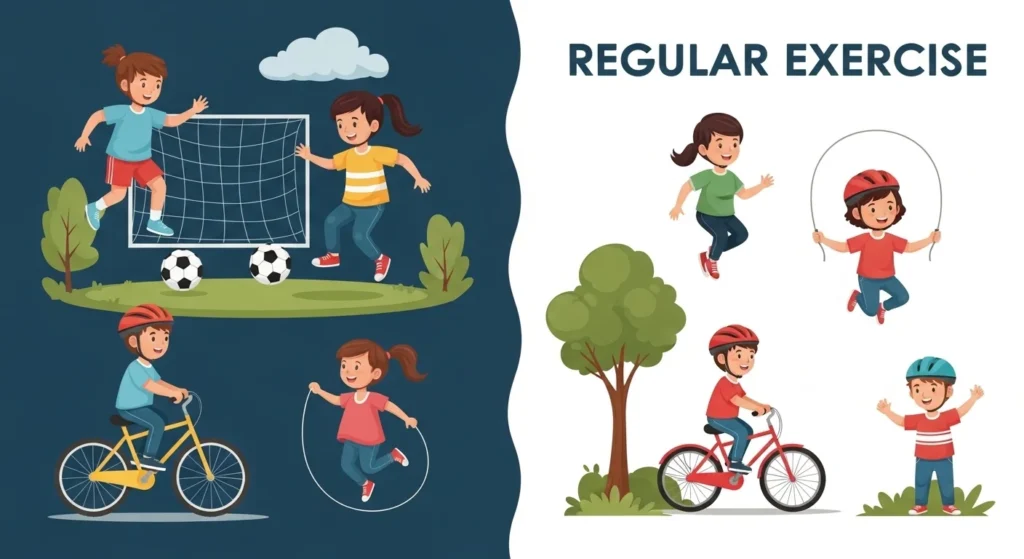
Regular physical activity such as running, cycling, sports, or outdoor play strengthens muscles and bones while supporting heart health.
Sleep Habits
Children require consistent sleep schedules. Adequate sleep helps the brain process information and supports physical recovery.
Hygiene Habits
Practices like handwashing, brushing teeth, and bathing regularly help prevent infections and maintain overall health.
Emotional and Social Habits
Healthy communication, family bonding, and stress management help children build emotional resilience and positive social skills.
Diagnosis and Medical Tests
Doctors usually assess children’s health habits during routine health checkups.
Common evaluations may include:
- Growth monitoring (height, weight, and body mass index)
- Nutritional assessment to evaluate diet quality
- Blood tests to check vitamin or mineral levels
- Developmental screening to assess cognitive and emotional development
If results show nutritional deficiencies or growth concerns, healthcare providers may recommend lifestyle adjustments or nutritional guidance.
Treatment Options
If unhealthy routines have already affected a child’s health, several strategies may help improve well-being.
Medical treatments
Doctors may treat conditions such as obesity, anemia, or nutritional deficiencies with appropriate medical care.
Medications
Certain deficiencies, such as iron or vitamin D deficiency, may require supplements prescribed by healthcare professionals.
Therapy options
Behavioral therapy or nutritional counseling can help children develop healthier eating and lifestyle patterns.
Lifestyle changes
- Introducing balanced meals
- Reducing processed food intake
- Encouraging daily physical activity
- Establishing consistent sleep routines
Surgery
Surgical intervention is extremely rare and usually only considered in severe medical conditions.
Prevention Tips
The best healthy habits for children prevention strategies focus on creating supportive routines at home and school.
Healthy habits
- Encourage daily outdoor play
- Maintain consistent sleep schedules
- Limit screen time
Diet recommendations
- Provide fruits, vegetables, whole grains, and lean proteins
- Reduce sugary drinks and processed snacks
Exercise suggestions
- At least 60 minutes of physical activity daily
Mental wellness tips
- Encourage open communication
- Provide emotional support and positive reinforcement
Advantages and Disadvantages
Advantages
- Improved growth and development
- Stronger immune system
- Better academic performance
- Lower risk of chronic diseases
Disadvantages
Although the benefits are clear, some challenges may exist:
- Difficulty maintaining routines in busy households
- Resistance from children who prefer unhealthy foods
- Time and effort needed for consistent lifestyle changes
Understanding healthy habits for children advantages and disadvantages helps families adopt practical solutions.
Applications / Real-Life Impact
Healthy habits influence many areas of a child’s life.
Impact on daily life
Children with healthy routines have better energy levels and improved concentration.
Impact on family
Families who adopt healthy habits together create supportive environments for growth.
Social and emotional effects
Children with balanced lifestyles often develop stronger confidence, emotional stability, and social skills.
Healthy habits also reduce healthcare costs and improve long-term quality of life.
Common Questions & Practical Solutions
Q1: Can healthy habits for children be learned later in life?
Yes. While early childhood is ideal, children can adopt healthy habits at any age with proper guidance.
Q2: Are unhealthy habits dangerous for children?
Long-term unhealthy routines can increase the risk of obesity, diabetes, and mental health challenges.
Q3: Can healthy habits for children be prevented from becoming unhealthy?
Yes. Parents can prevent unhealthy habits by modeling healthy behaviors, planning balanced meals, and encouraging physical activity.
Future Trends and Medical Advances
Healthcare experts continue researching ways to promote healthy lifestyles for children.
New approaches
- School-based nutrition education programs
Research developments
- Studies exploring links between diet, brain development, and academic performance
Technology in healthcare
- Mobile apps helping families track nutrition and physical activity
Preventive medicine advancements
- Community health initiatives encouraging active lifestyles and balanced diets
These efforts aim to build healthier future generations.
Conclusion
Healthy habits for children play a vital role in physical growth, mental development, and long-term well-being. Simple daily practices such as balanced nutrition, regular physical activity, proper sleep, and emotional support can significantly improve a child’s quality of life. Parents, caregivers, and educators all share responsibility in guiding children toward healthier routines. By encouraging positive behaviors early and addressing unhealthy patterns promptly, families can create strong foundations for lifelong health. Promoting awareness and preventive care ensures that children grow into healthy, confident, and productive adults.