
Mr. Ahmed is 45 years old, works in an office, and feels perfectly fine. During a routine medical checkup, his doctor tells him that his blood pressure is high. He is shocked because he has no major symptoms. This situation is very common.
High blood pressure, also called hypertension, is often known as a “silent condition” because many people do not feel sick until serious complications develop. It slowly damages the heart, brain, kidneys, and blood vessels over time.
Understanding the Causes and Prevention of High Blood Pressure is extremely important for everyone, not only patients but also students and healthcare beginners. Early awareness can prevent heart attacks, strokes, and kidney problems.
In this article, you will learn what high blood pressure is, high blood pressure causes, high blood pressure symptoms, diagnosis methods, high blood pressure treatment options, and practical high blood pressure prevention strategies. You will also understand the high blood pressure advantages and disadvantages of early treatment and lifestyle changes.
2. What is Causes and Prevention of High Blood Pressure?
Clear Medical Definition
High blood pressure (hypertension) is a medical condition in which the force of blood pushing against the walls of the arteries remains consistently higher than normal.
Blood pressure is measured in two numbers:
- Systolic pressure (pressure when the heart beats)
- Diastolic pressure (pressure when the heart rests)
A reading consistently above 130/80 mmHg is generally considered high.
Simple Explanation
Think of your arteries like water pipes. If water flows with too much force, the pipes can get damaged. In the same way, when blood flows with too much pressure, it can harm your blood vessels and organs.
Practical Example
A person who eats salty food daily, avoids exercise, and lives under constant stress may gradually develop high blood pressure without noticing it. Over time, this increases the risk of heart disease.
3. Causes and Risk Factors
Understanding high blood pressure causes helps in proper prevention.
Main Causes
- Narrowing of arteries
- Hormonal imbalance
- Kidney problems
Lifestyle-Related Factors
- Excess salt intake
- Lack of physical activity
- Obesity
- Smoking
- Excessive alcohol consumption
- Chronic stress
These factors increase pressure inside blood vessels.
Genetic or Environmental Factors
- Family history of hypertension
- Aging
- Poor diet environment
- Urban lifestyle with low activity
Each of these factors increases the risk gradually.
4. Symptoms and Warning Signs
High blood pressure symptoms are often mild or absent in early stages.
Early Symptoms
- Mild headaches
- Dizziness
- Fatigue
Many people experience no symptoms at all.
Advanced Symptoms
- Severe headaches
- Blurred vision
- Chest pain
- Shortness of breath
- Nosebleeds
These may indicate serious complications.
When to See a Doctor
- If your blood pressure reading is repeatedly high
- If you experience chest pain or severe headache
- If you have risk factors like diabetes or family history
Regular checkups are essential.
5. How It Works in the Body
Let’s understand what happens inside the body.
- The heart pumps blood through arteries.
- If arteries become stiff or narrow, resistance increases.
- The heart must pump harder.
- This raises blood pressure.
Easy analogy:
If you press a garden hose, water pressure increases. Narrow arteries act like a squeezed hose.
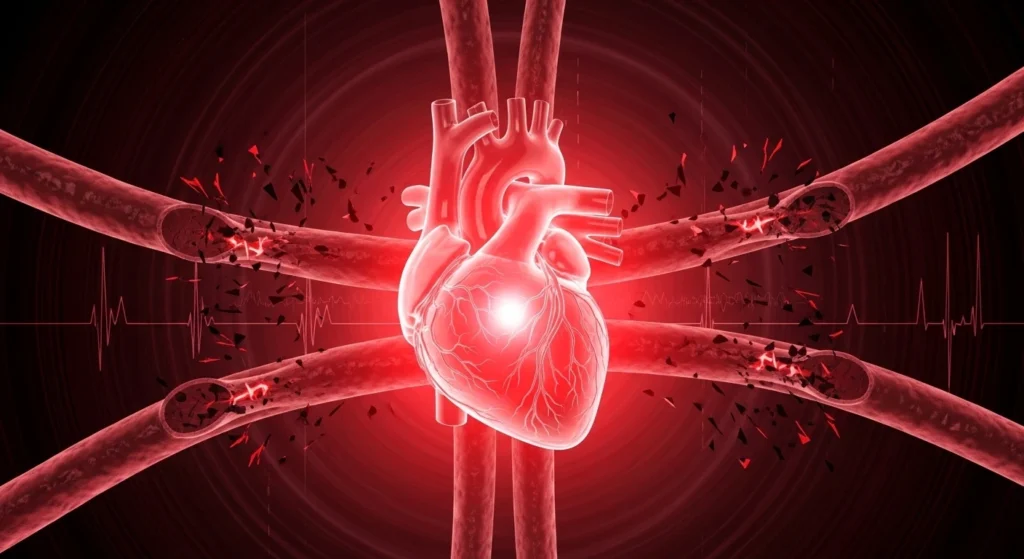
Over time, high pressure damages artery walls and strains the heart.
6. Types / Classification
Primary (Essential) Hypertension
- Most common type
- No specific medical cause
- Develops gradually over years
- Linked to lifestyle and genetics
Secondary Hypertension
- Caused by another medical condition
- Examples: kidney disease, hormonal disorders
- Often appears suddenly
- May be more severe
Identifying the type helps guide high blood pressure treatment.
7. Diagnosis and Medical Tests
How Doctors Diagnose It
- Measuring blood pressure using a digital or manual monitor
- Taking multiple readings on different days
Common Medical Tests
- Blood tests
- Urine test
- ECG (to check heart function)
- Kidney function tests
What Test Results Mean
If readings are consistently high, hypertension is diagnosed.
Doctors may check for organ damage if blood pressure has been high for a long time.
8. Treatment Options
High blood pressure treatment depends on severity.
Medical Treatments
Doctors may prescribe medications such as:
- Diuretics (remove extra fluid)
- ACE inhibitors (relax blood vessels)
- Beta-blockers (reduce heart workload)
No dosage advice should be taken without a doctor.
Therapy Options
- Stress management therapy
- Weight management programs
Lifestyle Changes
- Reduce salt intake
- Maintain healthy weight
- Exercise regularly
- Quit smoking
Surgery
Rarely needed unless caused by another condition.
9. Prevention Tips
High blood pressure prevention is possible in many cases.
Healthy Habits
- Maintain healthy body weight
- Avoid smoking
- Limit alcohol
Diet Recommendations
- Eat fruits and vegetables
- Reduce processed food
- Choose low-sodium options
Exercise Suggestions
- 30 minutes of walking daily
- Light strength training
Mental Wellness
- Practice relaxation techniques
- Get enough sleep
Prevention is always better than treatment.
10. Advantages and Disadvantages
Benefits of Early Treatment
- Reduces risk of heart attack
- Prevents stroke
- Protects kidneys
- Improves life expectancy
Risks of Ignoring the Condition
- Heart disease
- Brain stroke
- Kidney failure
- Vision loss
Pros and Cons of Medication
Pros:
- Effective blood pressure control
Cons:
- Possible side effects
- Long-term commitment
Understanding high blood pressure advantages and disadvantages helps patients make informed decisions.
11. Applications / Real-Life Impact
Impact on Daily Life
High blood pressure may limit physical activity if not controlled.
Impact on Work or Family
Serious complications can reduce productivity and increase medical expenses.
Social and Emotional Effects
Living with chronic illness may cause anxiety or stress.
Proper management improves quality of life.
12. Common Questions & Practical Solutions
Q1: Can Causes and Prevention of High Blood Pressure cure the condition?
Hypertension usually cannot be completely cured, but it can be controlled effectively.
Q2: Is it dangerous?
Yes. If untreated, it can cause heart attack, stroke, and kidney failure.
Q3: Can it be prevented?
Yes. Healthy diet, exercise, and stress management significantly reduce risk.
13. Future Trends and Medical Advances
Medical science continues to improve hypertension care.
New Treatments
- Improved long-acting medications
- Combination therapies
Research Developments
- Genetic studies
- Personalized medicine
Technology in Healthcare
- Smart blood pressure monitors
- Mobile health tracking apps
Preventive Medicine
Greater focus on lifestyle education and early screening.
14. Conclusion
Understanding the Causes and Prevention of High Blood Pressure is essential for protecting heart and overall health. High blood pressure causes often relate to lifestyle, genetics, and aging. High blood pressure symptoms may be silent, which makes regular monitoring very important.
With proper high blood pressure treatment and strong high blood pressure prevention habits such as healthy eating, exercise, and stress control, most people can manage the condition successfully.
Early diagnosis, medical guidance, and responsible lifestyle choices reduce complications and improve quality of life. Always consult a qualified healthcare professional for proper evaluation and treatment. Taking small preventive steps today can protect your heart for many years.