
Imagine a person who feels tired most of the day, struggles to build muscle, and often feels hungry even after eating meals. Many people experience this situation without realizing that their body may not be getting enough protein. Protein is one of the most essential nutrients our body needs to stay healthy, strong, and active.
A High Protein Healthy Diet is becoming increasingly popular among fitness enthusiasts, athletes, and even people who simply want to maintain a healthy lifestyle. Protein helps repair body tissues, build muscles, support the immune system, and maintain energy levels. Without enough protein, the body may struggle to perform daily functions efficiently.
In modern lifestyles, many diets focus heavily on carbohydrates and processed foods while neglecting adequate protein intake. This imbalance can lead to fatigue, muscle weakness, and slow recovery from illness or physical activity.
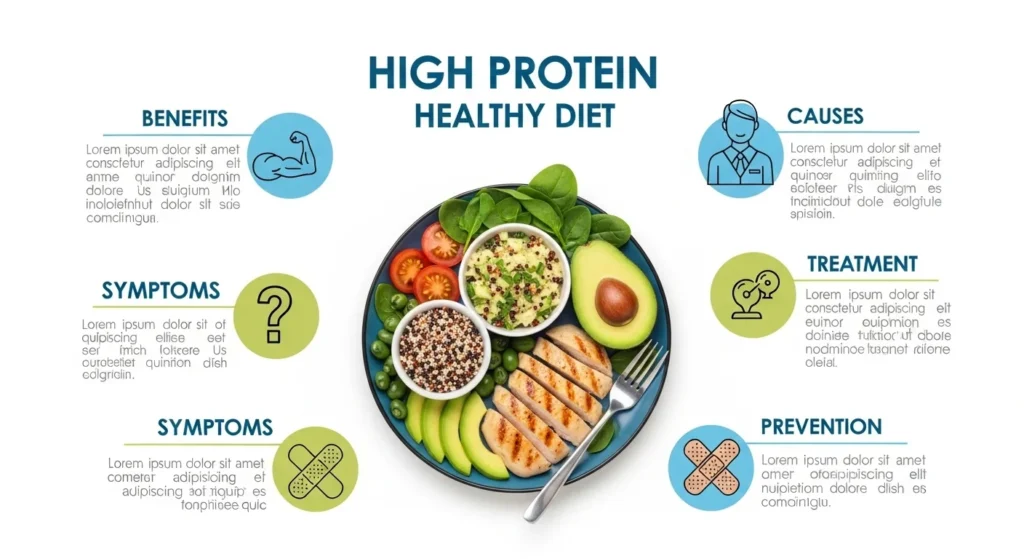
This article will explain everything you need to know about a High Protein Healthy Diet, including its causes, symptoms of protein deficiency, treatment approaches, prevention strategies, advantages and disadvantages, and how it affects daily life. By the end of this guide, you will understand how a protein-rich diet can support better health and overall well-being.
2. What is High Protein Healthy Diet?
A High Protein Healthy Diet is a nutritional plan in which a larger portion of daily calories comes from protein-rich foods. Protein is a macronutrient that the body uses to build and repair tissues, produce enzymes and hormones, and maintain muscle strength.
In simple terms, a high-protein diet means eating foods that contain more protein than a typical diet. These foods may include eggs, fish, chicken, beans, lentils, dairy products, nuts, and seeds.
Protein affects the body in many important ways. It helps maintain muscle mass, improves metabolism, and keeps you feeling full for longer periods. This is why many people follow a protein-rich diet when trying to lose weight or improve physical performance.
For example, an athlete who exercises regularly may increase their protein intake to support muscle repair and growth. Similarly, older adults may benefit from higher protein intake to maintain muscle strength and prevent weakness.
A well-balanced High Protein Healthy Diet should still include other nutrients such as healthy fats, vitamins, minerals, and carbohydrates to support complete body health.
3. Causes and Risk Factors
Although protein deficiency is less common in developed areas, several factors can contribute to inadequate protein intake or the need for a High Protein Healthy Diet.
Main Causes
- Poor dietary choices
Diets that focus mainly on refined carbohydrates and processed foods may lack sufficient protein. - Vegetarian or vegan diets without proper planning
Plant-based diets can provide protein, but improper meal planning may lead to protein deficiency. - Chronic illness
Some medical conditions increase the body’s protein needs.
Lifestyle-Related Factors
- Sedentary lifestyle with poor nutrition habits
- Frequent consumption of fast food
- Skipping meals or following extreme dieting patterns
- Intense physical training without adequate protein intake
Genetic or Environmental Factors
- Some individuals naturally have higher metabolic needs
- Aging can reduce muscle mass, increasing the need for protein
- Environmental stress or illness may increase nutritional demands
Understanding High Protein Healthy Diet causes helps people identify why their body may need more protein.
4. Symptoms and Warning Signs
Protein deficiency or an imbalanced diet may produce several noticeable symptoms.
Early Symptoms
- Constant hunger
- Fatigue or low energy
- Difficulty concentrating
- Slow muscle recovery after exercise
Advanced Symptoms
- Muscle weakness
- Hair thinning or hair loss
- Frequent infections
- Swelling in certain parts of the body
- Slow wound healing
These High Protein Healthy Diet symptoms often appear gradually and may be mistaken for other health issues.
When to See a Doctor
You should consult a healthcare professional if you experience:
- Unexplained muscle loss
- Severe fatigue
- Persistent swelling
- Signs of malnutrition
Medical advice is especially important before making major dietary changes.
5. How It Works in the Body
Protein works as one of the building blocks of the human body. It is made up of smaller units called amino acids. These amino acids help the body perform many vital functions.
First, when you eat protein-rich foods, the digestive system breaks protein down into amino acids. These amino acids then enter the bloodstream and travel to different parts of the body.
Second, the body uses these amino acids to repair damaged tissues and build new cells. This is especially important for muscles, skin, hair, and internal organs.
Third, proteins help produce enzymes and hormones that regulate many body processes, including digestion and metabolism.
You can think of protein as the “construction material” of the body. Just as bricks are used to build a house, amino acids are used to build and repair body structures.
6. Types / Classification
Different forms of High Protein Healthy Diet exist depending on dietary goals and food choices.
Animal-Based High Protein Diet
This type includes foods such as chicken, fish, eggs, milk, yogurt, and lean meat. These foods contain complete proteins, meaning they provide all essential amino acids required by the body.
Plant-Based High Protein Diet
Plant-based diets rely on protein sources like beans, lentils, tofu, chickpeas, nuts, seeds, and whole grains. Combining different plant foods helps provide a full range of amino acids.
Balanced High Protein Diet
This approach combines both plant and animal protein sources. It is often considered the most balanced and sustainable dietary pattern.
7. Diagnosis and Medical Tests
Doctors usually evaluate protein intake through dietary assessments and physical examination.
Common Methods of Diagnosis
- Reviewing daily food intake
- Checking body weight and muscle mass
- Evaluating overall nutritional habits
Medical Tests
Some laboratory tests may help identify protein deficiencies:
- Blood protein levels
- Albumin test
- Complete blood count (CBC)
Understanding Test Results
Low levels of certain proteins in the blood may indicate nutritional deficiency or underlying health conditions. Doctors may recommend dietary adjustments as part of High Protein Healthy Diet treatment.
8. Treatment Options
Treatment focuses on restoring proper protein intake and improving overall nutrition.
Medical Treatments
If protein deficiency is caused by illness, doctors may treat the underlying medical condition.
Medications
Certain medications may support digestion or help manage diseases that interfere with protein absorption.
Nutritional Therapy
Dietitians may recommend a structured High Protein Healthy Diet treatment plan including:
- Lean meats
- Eggs
- Dairy products
- Beans and legumes
- Protein-rich grains
Lifestyle Changes
Healthy lifestyle habits also play an important role:
- Eating balanced meals regularly
- Increasing physical activity
- Staying hydrated
Surgery is rarely required unless a severe medical condition affects nutrient absorption.
9. Prevention Tips
Following a balanced lifestyle is the best way to ensure proper High Protein Healthy Diet prevention.
Healthy Habits
- Eat balanced meals throughout the day
- Avoid skipping breakfast
- Include protein in every meal
Diet Recommendations
Examples of protein-rich foods include:
- Eggs
- Fish
- Chicken
- Lentils
- Greek yogurt
- Nuts and seeds
Exercise Suggestions
Regular physical activity supports muscle strength and improves the body’s use of protein.
Mental Wellness Tips
Stress management and good sleep help regulate metabolism and improve overall health.
10. Advantages and Disadvantages
Understanding the High Protein Healthy Diet advantages and disadvantages helps people make informed decisions.
Advantages
- Supports muscle growth and repair
- Helps control appetite
- Supports weight management
- Improves metabolism
- Helps maintain strong bones
Disadvantages
- Excess protein may strain the kidneys in some individuals
- Poorly planned high-protein diets may lack fiber
- Overconsumption of processed meats may increase health risks
A balanced diet is essential to gain benefits while avoiding potential risks.
11. Applications / Real-Life Impact
A High Protein Healthy Diet can influence many aspects of daily life.
Impact on Daily Life
People following a protein-rich diet often experience improved energy levels and better physical performance.
Impact on Work or Family
Improved nutrition can enhance productivity, concentration, and overall mood.
Social and Emotional Effects
Healthy eating habits often increase confidence and motivation. People may also develop a positive relationship with food and fitness.
12. Common Questions & Practical Solutions
Q1: Can High Protein Healthy Diet cure health problems?
A protein-rich diet cannot cure diseases, but it supports overall health and recovery when combined with medical treatment.
Q2: Is a High Protein Healthy Diet dangerous?
For most healthy individuals, it is safe when balanced properly. However, people with kidney problems should consult a doctor before increasing protein intake.
Q3: Can it be prevented?
Yes. Following a balanced diet that includes adequate protein helps prevent nutritional deficiencies.
13. Future Trends and Medical Advances
Nutrition science continues to evolve, bringing new insights into protein consumption and health.
New Treatments
Medical nutrition therapy is increasingly used to support patients with chronic diseases and muscle loss.
Research Developments
Researchers are studying how protein intake influences metabolism, aging, and immune health.
Technology in Healthcare
Digital health apps now help people track protein intake and maintain balanced diets.
Preventive Medicine
Doctors are emphasizing preventive nutrition strategies to reduce the risk of chronic diseases.
14. Conclusion
A High Protein Healthy Diet plays an important role in maintaining strong muscles, supporting metabolism, and improving overall health. Protein is essential for repairing body tissues, producing important enzymes and hormones, and helping the body recover from daily stress and physical activity.
Understanding the causes, symptoms, treatment, and prevention related to protein intake helps individuals make informed decisions about their diet. While protein offers many benefits, balance is key. A healthy diet should include a variety of nutrients such as carbohydrates, healthy fats, vitamins, and minerals.
Adopting healthy eating habits, staying physically active, and consulting healthcare professionals when needed can significantly improve long-term health. By making mindful dietary choices, individuals can support their bodies and enjoy a healthier, more energetic life.