
Imagine waking up with a sore throat, body fatigue, and a mild fever after being exposed to cold weather or someone with the flu. Within a few days, your body starts to recover without much medical help. This natural recovery happens because of a powerful defense system inside your body — the immune system.
The immune system works quietly every day to protect us from harmful bacteria, viruses, parasites, and other disease-causing organisms. Without it, even small infections could become life-threatening. A strong immune system helps the body fight illness, recover faster, and maintain overall health.
In modern life, many factors such as stress, unhealthy diet, lack of sleep, and pollution can weaken the immune system. Understanding how it works and how to protect it has become more important than ever.
In this article, you will learn what the immune system is, how it works in the body, common immune system causes of weakness, immune system symptoms, medical diagnosis, immune system treatment, prevention methods, and its real-life impact on health.
2. What is the Immune System?
The immune system is the body’s natural defense network that protects us from infections and diseases.
From a medical perspective, it is a complex system made up of organs, tissues, cells, and proteins that work together to identify and destroy harmful microorganisms.
In simple terms, the immune system acts like a security team for the body. Just as security guards protect a building from intruders, the immune system protects the body from germs.
Key components of the immune system include:
- White blood cells
- Lymph nodes
- Bone marrow
- Spleen
- Antibodies
- Lymphatic system
These parts communicate with each other to detect harmful organisms and eliminate them before they cause illness.
Real-Life Example
When a person catches a cold virus, the immune system quickly recognizes the virus and produces antibodies. These antibodies attack the virus and help the body recover within several days.
Without this protective response, infections could spread rapidly in the body.
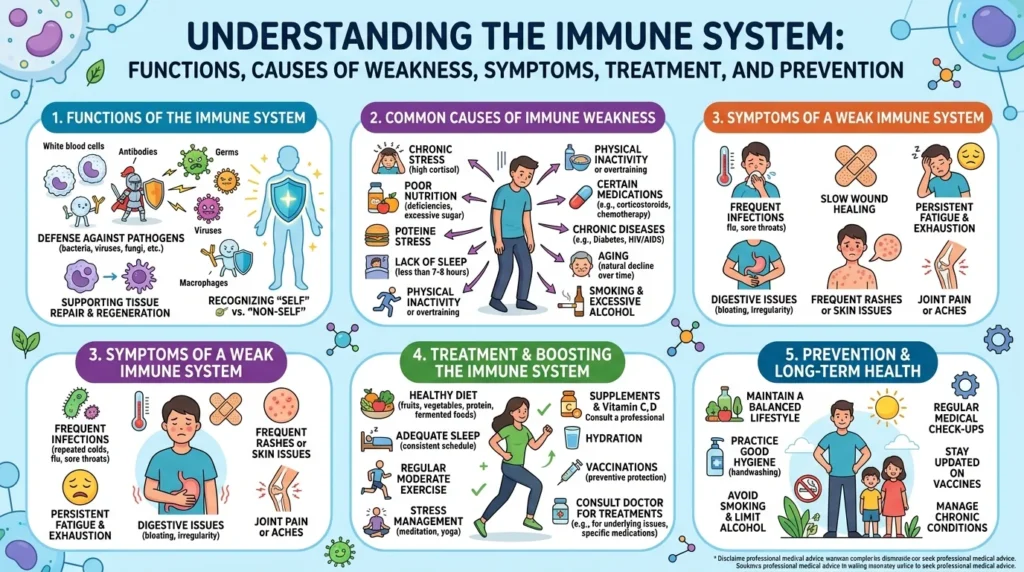
3. Causes and Risk Factors
Many factors can weaken the immune system and make the body more vulnerable to illness. Understanding these immune system causes helps people take steps to protect their health.
1. Poor Nutrition
A diet lacking vitamins and minerals can weaken immune defenses.
Important nutrients for immunity include:
- Vitamin C
- Vitamin D
- Zinc
- Protein
People who eat highly processed foods or lack fruits and vegetables may experience weaker immunity.
2. Chronic Stress
Long-term stress increases stress hormones like cortisol. High cortisol levels can suppress immune responses and reduce the body’s ability to fight infections.
3. Lack of Sleep
Sleep plays a major role in immune system repair and regeneration. Poor sleep can reduce the production of protective immune cells.
4. Sedentary Lifestyle
Lack of physical activity slows blood circulation and reduces immune efficiency.
Regular exercise helps immune cells move through the body more effectively.
5. Smoking and Alcohol
Smoking damages immune cells and weakens the lungs’ ability to fight infections.
Excess alcohol can also interfere with immune system function.
6. Age
Both very young children and elderly individuals often have weaker immune responses.
7. Medical Conditions
Certain diseases can weaken immunity, including:
- Diabetes
- HIV
- Cancer
- Autoimmune diseases
8. Environmental Factors
Exposure to pollution, toxins, and harmful chemicals may weaken the immune system over time.
4. Symptoms and Warning Signs
A weak immune system does not always show obvious signs, but several immune system symptoms may indicate reduced protection against infections.
Early Symptoms
- Frequent colds
- Slow wound healing
- Constant fatigue
- Mild fever
- Frequent headaches
- Digestive problems
Advanced Symptoms
If immunity is severely weakened, people may experience:
- Repeated infections
- Chronic inflammation
- Persistent cough
- Skin infections
- Long recovery from illness
When to See a Doctor
Medical consultation is recommended if a person experiences:
- More than 4–5 infections per year
- Frequent severe infections
- Unexplained fever or fatigue
- Recurring pneumonia or bronchitis
Healthcare professionals can evaluate immune health through medical tests.
5. How It Works in the Body
The immune system works through a well-organized defense process.
Step 1: Detection of Harmful Invaders
When bacteria or viruses enter the body, immune cells recognize them as foreign substances called antigens.
Step 2: Activation of Immune Cells
White blood cells quickly respond and begin attacking the invading organisms.
These cells include:
- T cells
- B cells
- Natural killer cells
Step 3: Production of Antibodies
The body produces special proteins called antibodies. These antibodies attach to harmful germs and help destroy them.
Step 4: Elimination of Infection
Immune cells destroy infected cells and remove harmful organisms from the body.
Step 5: Immune Memory
The immune system remembers many infections it has fought before. This memory helps the body respond faster if the same infection returns.
This is the principle behind vaccines.
6. Types / Classification
The immune system can be divided into two major types.
Innate Immune System
The innate immune system is the body’s first line of defense.
It includes:
- Skin
- Mucous membranes
- Stomach acid
- White blood cells
This system reacts quickly but does not specifically target a particular germ.
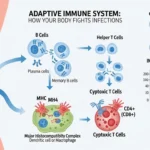
Adaptive Immune System
The adaptive immune system develops as the body encounters infections.
It creates targeted responses against specific pathogens.
Key features include:
- Antibody production
- Immune memory
- Long-term protection
Vaccinations rely on this system to provide immunity.
7. Diagnosis and Medical Tests
Doctors may evaluate immune function when patients experience repeated infections or unexplained illness.
Common immune system diagnosis methods include:
1. Blood Tests
Blood tests measure levels of white blood cells and antibodies.
Abnormal levels may indicate immune system problems.
2. Immunoglobulin Tests
These tests check antibody levels such as:
- IgG
- IgA
- IgM
Low levels may suggest immune deficiency.
3. Inflammation Markers
Doctors may check markers like C-reactive protein (CRP) to detect inflammation.
4. Specialized Immune Tests
Advanced tests may evaluate immune cell function and response.
Doctors interpret results carefully along with medical history and symptoms.
8. Treatment Options
Immune system treatment depends on the cause of immune weakness.
Treatment focuses on strengthening immune function and managing infections.
1. Medical Treatments
Doctors may prescribe medications to treat infections or support immune function.
These may include:
- Antibiotics for bacterial infections
- Antiviral medications
- Immune-modulating drugs
2. Vaccinations
Vaccines help the body build immunity against dangerous infections.
They prepare the immune system to respond quickly when exposed to certain diseases.
3. Nutritional Support
Doctors may recommend vitamins and minerals such as:
- Vitamin C
- Vitamin D
- Zinc
- Iron
These nutrients support immune cell function.
4. Lifestyle Improvements
Important lifestyle changes include:
- Balanced diet
- Regular exercise
- Adequate sleep
- Stress management
5. Medical Therapy
In certain immune disorders, specialized therapies may be used, such as immune globulin therapy.
Treatment plans should always be guided by healthcare professionals.
9. Prevention Tips
Strong immune system prevention strategies focus on healthy habits.
Healthy Diet
A balanced diet should include:
- Fruits and vegetables
- Whole grains
- Lean proteins
- Healthy fats
Foods rich in antioxidants help protect immune cells.
Regular Exercise
Moderate physical activity improves circulation and supports immune health.
Examples include:
- Walking
- Cycling
- Swimming
Adequate Sleep
Adults should aim for 7–9 hours of sleep per night to support immune repair.
Stress Management
Techniques such as meditation, yoga, and deep breathing can reduce stress levels.
Good Hygiene
Simple habits like hand washing help prevent infections and support immune protection.
Hydration
Drinking enough water helps maintain normal body functions and immune processes.
10. Advantages and Disadvantages
Understanding immune system advantages and disadvantages helps people appreciate its importance.
Advantages
Protection from infections
The immune system defends against bacteria, viruses, and parasites.
Memory protection
After certain infections, the immune system remembers pathogens and prevents reinfection.
Support for healing
Immune responses help repair damaged tissues.
Disadvantages
Overactive immune response
Sometimes the immune system attacks healthy cells, causing autoimmune diseases.
Allergic reactions
The immune system may overreact to harmless substances like pollen or food.
Inflammation
Chronic inflammation can damage tissues if the immune system stays activated too long.
Balanced immune function is essential for maintaining good health.
11. Applications / Real-Life Impact
The immune system has a major influence on daily life.
Impact on Health
People with strong immunity generally experience fewer infections and recover faster from illness.
Impact on Work and Productivity
Frequent illness can affect productivity, work attendance, and energy levels.
Impact on Family Life
Parents with strong immune health can better care for children and family members.
Emotional and Social Effects
Chronic illness caused by weak immunity can lead to stress, anxiety, and reduced quality of life.
Maintaining immune health supports physical, mental, and social well-being.
12. Common Questions & Practical Solutions (FAQ)
Q1: Can the immune system be cured?
The immune system itself does not need curing, but immune-related diseases can be treated. Healthy lifestyle habits can improve immune strength.
Q2: Is a weak immune system dangerous?
A weak immune system may increase the risk of infections and slow recovery from illness. Medical evaluation may be necessary.
Q3: Can immune system problems be prevented?
Many immune problems can be reduced through proper nutrition, sleep, exercise, stress control, and vaccination.
Q4: Do vitamins strengthen the immune system?
Vitamins support immune function, especially when the body lacks certain nutrients. However, they should not replace a healthy diet.
Q5: Does exercise improve immunity?
Moderate exercise can improve immune function by improving circulation and reducing inflammation.
13. Future Trends and Medical Advances
Modern medical research continues to improve our understanding of the immune system.
Immunotherapy
New treatments called immunotherapy help the immune system fight diseases such as cancer.
Personalized Medicine
Scientists are developing personalized treatments based on individual immune responses.
Vaccine Technology
New vaccine technologies are improving protection against infectious diseases.
Artificial Intelligence in Healthcare
AI tools help researchers analyze immune responses and develop new treatments more quickly.
Preventive Medicine
Future healthcare systems are focusing more on prevention and immune health education.
These advances may improve treatment options and disease prevention worldwide.
14. Conclusion
The immune system plays a vital role in protecting the body from infections and maintaining overall health. It works through a complex network of cells, organs, and proteins that detect and eliminate harmful microorganisms.
Factors such as poor nutrition, stress, lack of sleep, and unhealthy lifestyle habits can weaken immune function. Recognizing immune system symptoms, understanding immune system causes, and following proper immune system treatment and immune system prevention strategies can significantly improve health outcomes.
Maintaining strong immunity requires a balanced diet, regular physical activity, proper sleep, and stress management. Medical consultation is important when persistent infections or unusual symptoms occur.
By caring for the immune system and adopting healthy habits, individuals can improve their resistance to illness and support long-term wellness.