
Imagine starting your day with a breakfast of white bread and sugary cereal. By mid-morning, you may feel hungry again, tired, or even experience digestive discomfort. Many people face these problems daily without realizing that their diet may be missing one important nutrient: fiber.
Fiber plays a major role in maintaining a healthy digestive system and supporting overall health. It helps regulate digestion, maintain healthy weight, control blood sugar levels, and reduce the risk of several chronic diseases. Unfortunately, many people consume far less fiber than their bodies need.
The importance of fiber in diet is often underestimated because fiber does not provide calories like carbohydrates or fats. However, it supports many essential processes in the body that keep us healthy and energetic.
In today’s fast-food culture, diets often contain highly processed foods that lack natural fiber. As a result, digestive problems such as constipation, obesity, and metabolic disorders are becoming more common.
In this article, you will learn what dietary fiber is, how it works in the body, common fiber sources, fiber benefits, possible risks of low fiber intake, and practical tips for including fiber in your daily meals.
What is Fiber in Diet?
Dietary fiber refers to the part of plant foods that the human body cannot fully digest. Unlike carbohydrates, proteins, and fats, fiber passes through the digestive system mostly unchanged.
Although it is not digested, fiber performs many important functions that support health.
In simple words, fiber acts like a natural cleaner for the digestive system. It helps food move smoothly through the intestines and supports healthy bowel movements.
Fiber is mainly found in plant-based foods such as:
- Fruits
- Vegetables
- Whole grains
- Legumes
- Nuts and seeds
For example, when someone eats an apple with its skin, the fiber in the fruit helps digestion and keeps the person feeling full longer. Removing the peel reduces much of the fiber content.
Because of these benefits, nutrition experts strongly emphasize the importance of fiber in diet for maintaining long-term health.
Causes and Risk Factors of Low Fiber Intake
Many people do not consume enough fiber due to modern lifestyle habits and food choices.
Main Causes
- Highly processed foods
Foods like white bread, pastries, and packaged snacks contain very little fiber. - Low fruit and vegetable consumption
Skipping fruits and vegetables reduces daily fiber intake. - Fast food diet
Fast food often lacks whole grains and plant-based ingredients.
Lifestyle-Related Factors
- Busy lifestyle leading to poor meal planning
- Frequent consumption of refined carbohydrates
- Lack of nutrition awareness
Environmental or Social Factors
- Limited access to fresh foods
- Cultural dietary habits focusing on refined grains
These factors contribute to low fiber consumption, which may affect digestive health and increase disease risk.
Symptoms and Warning Signs of Low Fiber Intake
Not consuming enough fiber can lead to several noticeable symptoms.
Early Symptoms
- Constipation
- Feeling hungry soon after meals
- Bloating or digestive discomfort
Advanced Symptoms
- Irregular bowel movements
- Weight gain
- Increased cholesterol levels
When to See a Doctor
If digestive problems such as persistent constipation, severe bloating, or abdominal pain continue for several weeks, it is advisable to consult a healthcare professional.
A doctor can help identify whether dietary habits, including low fiber intake, are contributing to these issues.
How Fiber Works in the Body
Fiber supports many body systems, especially digestion.
When fiber enters the digestive tract, it absorbs water and increases stool volume. This helps food move smoothly through the intestines and prevents constipation.
Think of fiber like a soft brush that cleans the digestive system while food moves through it.
Fiber also slows down the absorption of sugar in the bloodstream. This helps maintain stable blood sugar levels, which is especially important for people with diabetes or those at risk.
Additionally, certain types of fiber feed beneficial bacteria in the gut. These bacteria support immune health and help maintain a balanced digestive environment.
This process explains why the importance of fiber in diet extends beyond digestion and affects overall health.
Types of Dietary Fiber
Dietary fiber is generally divided into two main types.
Soluble Fiber
Soluble fiber dissolves in water and forms a gel-like substance in the digestive system.
It helps:
- Lower cholesterol levels
- Control blood sugar levels
- Improve heart health
Common sources include:
- Oats
- Apples
- Beans
- Citrus fruits
Insoluble Fiber
Insoluble fiber does not dissolve in water. Instead, it adds bulk to stool and helps food move through the digestive tract.
Benefits include:
- Preventing constipation
- Supporting regular bowel movements
Common sources include:
- Whole grains
- Nuts
- Vegetables
- Wheat bran
Both types are essential for maintaining a balanced diet.
Diagnosis and Medical Tests
Doctors usually do not diagnose “fiber deficiency” through a specific test. Instead, they evaluate diet patterns and symptoms.
Healthcare professionals may assess fiber intake through:
- Dietary history analysis
- Nutrition questionnaires
- Digestive health evaluation
In some cases, additional tests may be recommended to rule out other digestive conditions.
These tests may include:
- Blood tests
- Stool tests
- Colon examinations
The results help determine whether symptoms are related to dietary habits or other medical conditions.
Treatment Options
Improving fiber intake is usually the main approach to addressing low fiber consumption.
Dietary Improvements
Doctors often recommend increasing fiber gradually through natural food sources such as:
- Whole grains
- Fresh fruits
- Vegetables
- Legumes
Fiber Supplements
In some cases, healthcare providers may suggest fiber supplements. These supplements help people who cannot obtain enough fiber from food.
However, supplements should only be used under medical guidance.
Lifestyle Changes
Important lifestyle changes include:
- Drinking adequate water
- Eating balanced meals
- Increasing physical activity
These habits improve digestive function and enhance the benefits of dietary fiber.
Prevention Tips
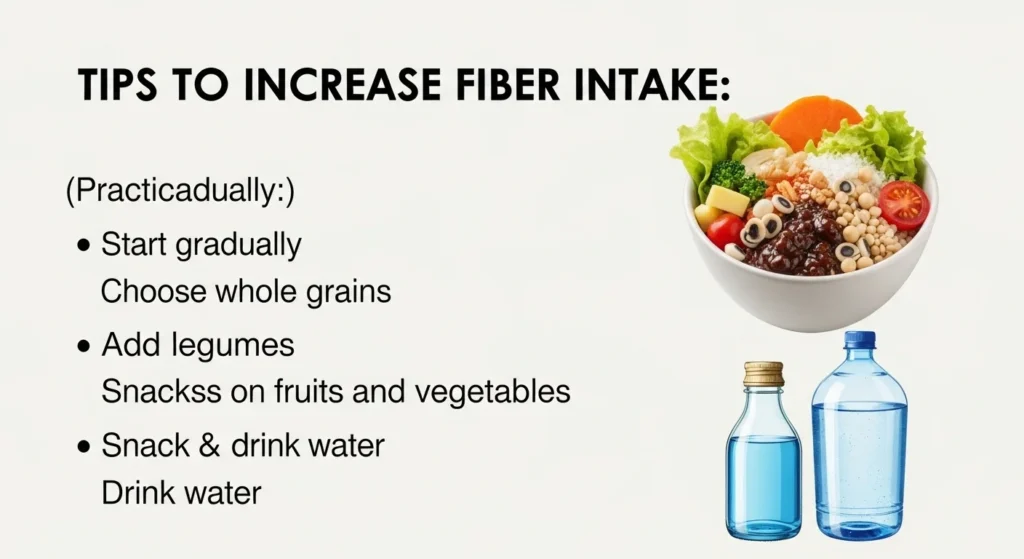
Maintaining adequate fiber intake is easier with simple healthy habits.
Healthy Eating Habits
- Eat fruits and vegetables daily
- Choose whole grains instead of refined grains
- Include beans or lentils in meals
Diet Recommendations
Try to include fiber-rich foods such as:
- Brown rice
- Oatmeal
- Whole wheat bread
- Chia seeds
Exercise
Regular physical activity supports digestion and improves bowel movement regularity.
Hydration
Fiber works best when combined with adequate water intake.
Advantages and Disadvantages
Understanding the fiber advantages and disadvantages helps people make balanced dietary choices.
Benefits of Fiber
- Improves digestion
- Prevents constipation
- Helps maintain healthy weight
- Reduces cholesterol levels
- Supports heart health
Possible Disadvantages
Although fiber is beneficial, excessive intake may cause:
- Gas or bloating
- Abdominal discomfort
- Nutrient absorption issues (in rare cases)
Increasing fiber gradually helps avoid these side effects.
Applications / Real-Life Impact
The importance of fiber in diet affects daily life in several ways.
People who consume adequate fiber often experience:
- Better digestion
- Improved energy levels
- Reduced hunger between meals
Fiber also helps individuals maintain a healthy body weight, which reduces the risk of chronic diseases.
From a social perspective, maintaining good digestive health improves comfort and confidence in daily activities.
For families, introducing fiber-rich foods into meals can promote healthier lifestyles for children and adults alike.
Common Questions & Practical Solutions (FAQ)
Q1: Can fiber deficiency be cured?
Yes. Increasing fiber intake through fruits, vegetables, and whole grains can usually correct low fiber intake.
Q2: Is low fiber intake dangerous?
Long-term low fiber consumption may increase the risk of digestive problems, heart disease, and metabolic disorders.
Q3: Can fiber help with weight loss?
Fiber can support weight management by helping people feel full longer and reducing overeating.
Future Trends and Medical Advances
Research in nutrition science continues to highlight the growing importance of fiber in diet.
Scientists are studying how fiber interacts with gut bacteria and how this relationship influences overall health.
New developments include:
- Personalized nutrition plans based on gut microbiome analysis
- Functional foods enriched with natural fiber
- Improved dietary guidelines for disease prevention
Advances in preventive medicine emphasize the role of dietary habits, including fiber intake, in maintaining long-term health.
Conclusion
Dietary fiber is an essential component of a healthy diet. Although it is not digested by the body, it plays a critical role in supporting digestion, maintaining heart health, controlling blood sugar levels, and promoting overall well-being.
The importance of fiber in diet becomes clear when we consider its wide-ranging benefits. From preventing constipation to supporting gut health, fiber contributes to many vital body functions.
Modern diets often lack sufficient fiber due to processed foods and busy lifestyles. By choosing whole grains, fruits, vegetables, and legumes, individuals can easily improve their daily fiber intake.
Adopting healthy eating habits and maintaining an active lifestyle can significantly enhance digestive health and reduce the risk of many chronic diseases.
For personalized dietary guidance or persistent digestive concerns, consulting a qualified healthcare professional is always recommended.