
Imagine waking up in the morning feeling dizzy, weak, and lightheaded, even though you had a full night’s sleep. You might think it’s just fatigue, but it could be a sign of low blood pressure, also known as hypotension. Low blood pressure affects millions worldwide, often going unnoticed because its symptoms can be mild at first.
Despite being less talked about than high blood pressure, low blood pressure can have serious impacts on daily life. It can cause fainting, injuries from falls, and in severe cases, shock. Understanding this condition is crucial for maintaining overall health.
In this article, you will learn what low blood pressure is, its causes, symptoms, treatment options, prevention strategies, and real-life implications. Whether you are a healthcare student, wellness blogger, or just someone concerned about your health, this guide will provide practical, medically accurate insights.
What is Low Blood Pressure?
Medical Definition: Low blood pressure, or hypotension, is a condition where blood pressure readings are lower than the normal range, typically below 90/60 mmHg.
Simple Explanation: Blood pressure measures the force of blood pushing against your artery walls. When this pressure is too low, your organs may not get enough oxygen-rich blood.
Impact on the Body: Insufficient blood flow can cause dizziness, fainting, and fatigue. In extreme cases, it may affect the brain, heart, and kidneys.
Real-Life Example: A person standing up too quickly from bed and suddenly feeling lightheaded may be experiencing a drop in blood pressure, known as orthostatic hypotension.
Causes and Risk Factors
Low blood pressure can result from various medical, lifestyle, and environmental factors. Understanding these is key to prevention.
Main Causes:
- Heart problems (bradycardia, heart failure)
- Endocrine disorders (thyroid issues, adrenal insufficiency)
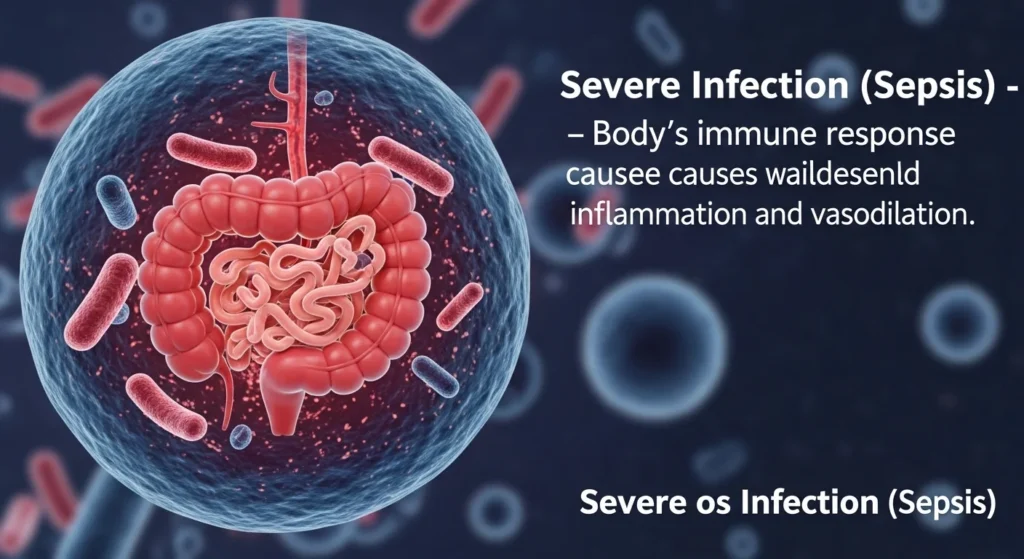
- Severe infections (sepsis)
- Blood loss from trauma or surgery
Lifestyle-Related Factors:
- Dehydration from not drinking enough fluids
- Excessive alcohol consumption
- Nutritional deficiencies (low vitamin B12 or folate)
Genetic or Environmental Factors:
- Family history of hypotension
- Long-term bed rest or inactivity
Summary in Bullet Points:
- Heart diseases affecting blood flow
- Hormonal imbalances
- Severe infections or blood loss
- Dehydration and poor nutrition
- Genetics or long-term inactivity
Symptoms and Warning Signs
Recognizing the symptoms of low blood pressure is essential to prevent complications.
Early Symptoms:
- Lightheadedness or dizziness
- Fatigue and weakness
- Blurred vision
- Nausea
Advanced Symptoms:
- Fainting (syncope)
- Rapid, shallow breathing
- Cold, clammy skin
- Confusion or difficulty concentrating
When to See a Doctor:
- Recurrent fainting
- Sudden severe dizziness
- Persistent low blood pressure readings
How Low Blood Pressure Works in the Body
Blood pressure is maintained by a balance of the heart’s pumping ability, blood volume, and the flexibility of blood vessels.
- The heart pumps blood through arteries.
- Arteries resist blood flow, maintaining pressure.
- Low blood pressure occurs if the heart pumps too weakly, blood volume drops, or vessels dilate excessively.
Analogy: Think of your body as a garden hose. If the water pressure is too low, the plants (organs) don’t receive enough water (oxygen-rich blood) to thrive.
Types of Low Blood Pressure
Orthostatic Hypotension
A sudden drop in blood pressure when standing up. Common in older adults and those on certain medications.
Postprandial Hypotension
A drop in blood pressure after eating, often due to blood diverting to the digestive system.
Neurogenic Hypotension
Caused by nervous system disorders, where the body cannot regulate blood pressure properly.
Severe Hypotension / Shock
Life-threatening low blood pressure due to trauma, infection, or heart failure.
Diagnosis and Medical Tests
How Doctors Diagnose:
- Physical examination and medical history
- Blood pressure readings in different positions (lying, sitting, standing)
Common Medical Tests:
- Blood tests to check for anemia, infection, or hormone levels
- Electrocardiogram (ECG) for heart function
- Echocardiogram to assess heart structure
- Tilt table test for orthostatic hypotension
Understanding Test Results:
- Below 90/60 mmHg is generally considered hypotension
- Blood tests may reveal underlying causes like dehydration or hormonal imbalance
Treatment Options
Medical Treatments:
- Treat underlying conditions such as heart disease or hormonal disorders
Medications:
- Fludrocortisone or midodrine may be prescribed to raise blood pressure
Therapy Options:
- Physical therapy for postural hypotension
- Compression stockings to improve blood flow
Lifestyle Changes:
- Increase water and salt intake (as advised by a doctor)
- Eat small, frequent meals
- Avoid standing up quickly
Surgery (if applicable):
- Rarely needed, only for structural heart issues
Prevention Tips
Healthy Habits:
- Stay hydrated throughout the day
- Maintain a balanced diet rich in vitamins and minerals
- Avoid excessive alcohol and caffeine
Diet Recommendations:
- Eat foods with moderate salt (if approved by your doctor)
- Include fruits, vegetables, lean proteins, and whole grains
Exercise Suggestions:
- Gentle aerobic exercises like walking or swimming
- Leg-strengthening exercises to improve circulation
Mental Wellness Tips:
- Manage stress through meditation or breathing exercises
- Ensure adequate sleep and rest
Advantages and Disadvantages
Advantages of Early Treatment:
- Prevents fainting and injuries
- Protects organ health
- Improves daily energy and alertness
Risks of Ignoring Low Blood Pressure:
- Increased risk of falls and fractures
- Organ damage due to poor blood flow
- Potential life-threatening situations in severe cases
Pros and Cons of Treatments:
- Medications can help but may cause side effects
- Lifestyle changes are safe but require consistency
Applications / Real-Life Impact
Impact on Daily Life:
- Feeling fatigued at work or school
- Difficulty in performing physical activities
Impact on Work or Family:
- Missed days due to dizziness or weakness
- Dependence on others for support in severe cases
Social and Emotional Effects:
- Anxiety about fainting in public
- Reduced confidence in daily activities
Common Questions & Practical Solutions
Q1: Can low blood pressure be cured?
A1: It can be managed effectively, especially if the underlying cause is treated.
Q2: Is it dangerous?
A2: Mild hypotension may be harmless, but severe low blood pressure can be life-threatening.
Q3: Can it be prevented?
A3: Yes, with healthy habits, proper hydration, and medical check-ups.
Future Trends and Medical Advances
- Development of new medications targeting blood pressure regulation
- Wearable devices for continuous monitoring of blood pressure
- Research into genetic factors and personalized medicine
- Focus on preventive medicine to detect hypotension early
Conclusion
Low blood pressure is a common but often overlooked condition that can significantly affect daily life. By understanding its causes, recognizing symptoms, and adopting preventive measures, individuals can maintain healthy blood pressure and overall well-being. Early diagnosis and proper management are key to avoiding complications. Maintaining hydration, a balanced diet, and a healthy lifestyle are simple yet effective strategies. Awareness and responsible health practices can help you stay active, alert, and safe.