
Imagine a university student who looks successful from the outside. He attends classes, submits assignments, and talks with friends. However, inside he feels overwhelmed, anxious, and emotionally exhausted. He struggles to sleep at night and often loses motivation for everyday tasks. Many people experience similar situations but hesitate to talk about their feelings because mental health is still misunderstood in many communities.
Mental health is just as important as physical health. When our mental well-being is affected, it can influence our emotions, thoughts, relationships, and overall quality of life. Poor mental health may reduce productivity, affect family relationships, and even lead to serious medical conditions if ignored.
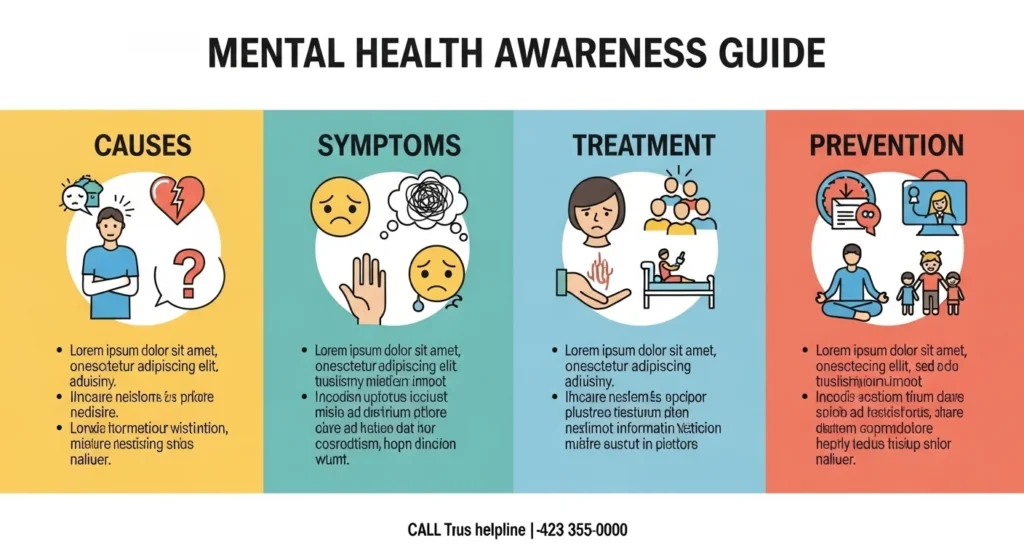
A Mental Health Awareness Guide helps people understand how mental health works, what warning signs to watch for, and how to support themselves or others. Awareness is the first step toward prevention and proper care.
In this article, you will learn about mental health causes, mental health symptoms, mental health treatment, and mental health prevention strategies. You will also understand how mental health affects the body, the importance of early diagnosis, and practical ways to maintain emotional well-being.
2. What is Mental Health Awareness Guide?
Clear Medical Definition
Mental health refers to a person’s emotional, psychological, and social well-being. It influences how individuals think, feel, behave, and respond to stress.
Mental health awareness is the process of understanding mental health conditions, recognizing symptoms, and encouraging people to seek help when needed.
Simple Explanation
In simple terms, mental health describes how well the mind is functioning. Just like the body needs care to stay healthy, the mind also requires attention and support.
Mental health awareness helps people recognize that emotional struggles are normal and that professional help is available when necessary.
How It Affects the Body
Mental health directly affects physical health. Stress, anxiety, and depression can cause:
- Sleep problems
- Headaches
- Low energy
- Changes in appetite
- Weakened immune system
When the mind is under stress, the body often reacts physically.
Practical Real-Life Example
For example, a person working under constant pressure may experience anxiety, poor sleep, and emotional exhaustion. Over time, this can lead to burnout or depression if not addressed.
3. Causes and Risk Factors
Understanding mental health causes helps people identify possible triggers and reduce risks.
Main Causes
Mental health conditions often develop due to a combination of factors:
- Long-term stress
- Trauma or difficult life events
- Chemical imbalance in the brain
- Chronic illness
These factors can affect how the brain regulates emotions.
Lifestyle-Related Factors
Several lifestyle habits influence mental well-being:
- Poor sleep habits
- Lack of physical activity
- Unhealthy diet
- Excessive use of social media
- Alcohol or substance misuse
These behaviors can increase emotional stress and reduce mental resilience.
Genetic or Environmental Factors
Other important risk factors include:
- Family history of mental health conditions
- Childhood neglect or abuse
- Financial difficulties
- Social isolation
- Major life changes such as divorce or job loss
Mental health problems rarely have a single cause. Instead, they usually result from multiple interacting factors.
4. Symptoms and Warning Signs
Recognizing mental health symptoms early helps people seek support before problems worsen.
Early Symptoms
Common early warning signs include:
- Persistent sadness
- Feeling overwhelmed
- Lack of motivation
- Difficulty concentrating
- Changes in sleep patterns
These symptoms may develop gradually.
Advanced Symptoms
If mental health problems continue untreated, symptoms may become more serious:
- Severe anxiety or panic attacks
- Social withdrawal
- Extreme mood changes
- Loss of interest in daily activities
- Thoughts of self-harm
These symptoms require immediate professional support.
When to See a Doctor
Professional help should be considered if:
- Symptoms last for several weeks
- Daily functioning becomes difficult
- Emotional distress affects work or relationships
- There are thoughts of self-harm
Early treatment often leads to better recovery outcomes.
5. How It Works in the Body
Mental health is closely connected to brain function.
Brain and Emotional Regulation
The brain uses chemical messengers called neurotransmitters to regulate mood, motivation, and emotional balance.
Important neurotransmitters include:
- Serotonin (affects mood and happiness)
- Dopamine (linked to motivation and reward)
- Norepinephrine (controls stress responses)
Easy Analogy
Think of the brain as a communication network. Neurotransmitters act like messages traveling between brain cells.
If these messages become unbalanced, emotional and psychological problems may occur.
Stress, trauma, and genetics can influence this delicate balance.
6. Types / Classification
Mental health conditions exist in different forms.
Anxiety Disorders
Anxiety disorders involve excessive worry or fear that interferes with daily life.
Common examples include:
- Generalized anxiety disorder
- Panic disorder
- Social anxiety
These conditions often cause restlessness, tension, and sleep problems.
Mood Disorders
Mood disorders affect emotional state and stability.
Examples include:
- Depression
- Bipolar disorder
These conditions can cause extreme sadness, mood swings, or loss of interest in activities.
Stress-Related Disorders
Stress-related conditions develop after traumatic experiences.
Examples include:
- Post-traumatic stress disorder (PTSD)
- Adjustment disorders
These conditions may cause flashbacks, emotional numbness, or intense anxiety.
7. Diagnosis and Medical Tests
Diagnosing mental health conditions involves careful evaluation.
How Doctors Diagnose It
Mental health professionals assess:
- Emotional symptoms
- Medical history
- Lifestyle habits
- Stress levels
They may also ask about family history.
Common Medical Tests
Although mental health conditions are mainly diagnosed through clinical assessment, doctors may use:
- Psychological evaluations
- Mental health questionnaires
- Physical exams to rule out medical causes
What Test Results Mean
The results help professionals determine whether symptoms meet the criteria for specific mental health conditions.
Accurate diagnosis is essential for choosing the right mental health treatment.
8. Treatment Options
Effective mental health treatment often combines multiple approaches.
Medical Treatments
Healthcare professionals may recommend medications to help balance brain chemicals and reduce symptoms.
Therapy Options
Psychological therapy is a common treatment method.
Examples include:
- Cognitive behavioral therapy (CBT)
- Counseling
- Support groups
Therapy helps individuals understand their thoughts and develop healthier coping strategies.
Lifestyle Changes
Healthy habits can greatly improve mental health:
- Regular physical activity
- Balanced nutrition
- Proper sleep routine
- Stress management techniques
These lifestyle adjustments support emotional stability.
9. Prevention Tips
Although not all mental health conditions can be prevented, healthy habits reduce risk.
Healthy Habits
- Maintain a balanced lifestyle
- Manage stress effectively
- Build strong social connections
Diet Recommendations
Certain foods support brain health:
- Fruits and vegetables
- Whole grains
- Omega-3 rich foods
Proper nutrition helps maintain mental energy and focus.
Exercise Suggestions
Regular exercise improves mood by releasing natural chemicals called endorphins.
Walking, cycling, or yoga can significantly support emotional well-being.
Mental Wellness Tips
- Practice mindfulness
- Take regular breaks
- Talk openly about feelings
These habits strengthen emotional resilience.
10. Advantages and Disadvantages
Understanding mental health advantages and disadvantages of early care is important.
Benefits of Early Treatment
- Faster recovery
- Reduced emotional suffering
- Better work performance
- Improved relationships
Risks of Ignoring Mental Health
Ignoring symptoms may lead to:
- Severe depression
- Substance misuse
- Relationship problems
- Physical health complications
Pros and Cons of Treatment
Pros:
- Professional support and guidance
- Better emotional balance
Cons:
- Requires time and commitment
- Some treatments may take weeks to show results
11. Applications / Real-Life Impact
Mental health influences many aspects of life.
Impact on Daily Life
Healthy mental well-being allows people to think clearly, manage stress, and make better decisions.
Impact on Work or Family
Mental health affects productivity, communication, and relationships at home and work.
People with balanced mental health often handle challenges more effectively.
Social and Emotional Effects
Strong mental health supports self-confidence, empathy, and positive social connections.
Communities benefit when individuals prioritize emotional well-being.
12. Common Questions & Practical Solutions
Q1: Can mental health conditions be cured?
Some conditions can improve significantly with treatment and support. Many people manage symptoms successfully with therapy and healthy habits.
Q2: Is poor mental health dangerous?
Yes. Untreated mental health problems may lead to serious emotional and physical complications.
Q3: Can mental health problems be prevented?
Certain risks can be reduced through stress management, healthy lifestyle choices, and strong social support systems.
13. Future Trends and Medical Advances
Mental health care continues to evolve with new research and technology.
New Treatments
Modern therapies focus on personalized treatment approaches based on individual needs.
Research Developments
Scientists are studying how genetics, brain chemistry, and environment influence mental health.
Technology in Healthcare
Digital health tools now support mental well-being, including:
- Mental health apps
- Online therapy platforms
- AI-assisted mental health screening
Preventive Medicine
Healthcare systems are increasingly focusing on early detection and community education to promote mental health awareness.
14. Conclusion
Mental health plays a crucial role in overall well-being. The Mental Health Awareness Guide helps people understand mental health causes, mental health symptoms, and the importance of early mental health treatment.
Mental health conditions are common and should not be ignored. Recognizing symptoms early and seeking professional help can greatly improve quality of life. Healthy lifestyle habits, strong social connections, and regular self-care practices support emotional stability.
Promoting mental health awareness encourages open conversations and reduces stigma. With proper understanding and support, individuals can protect their mental well-being and build healthier communities.
Anyone experiencing persistent emotional distress should consider consulting a qualified healthcare professional for guidance and care.