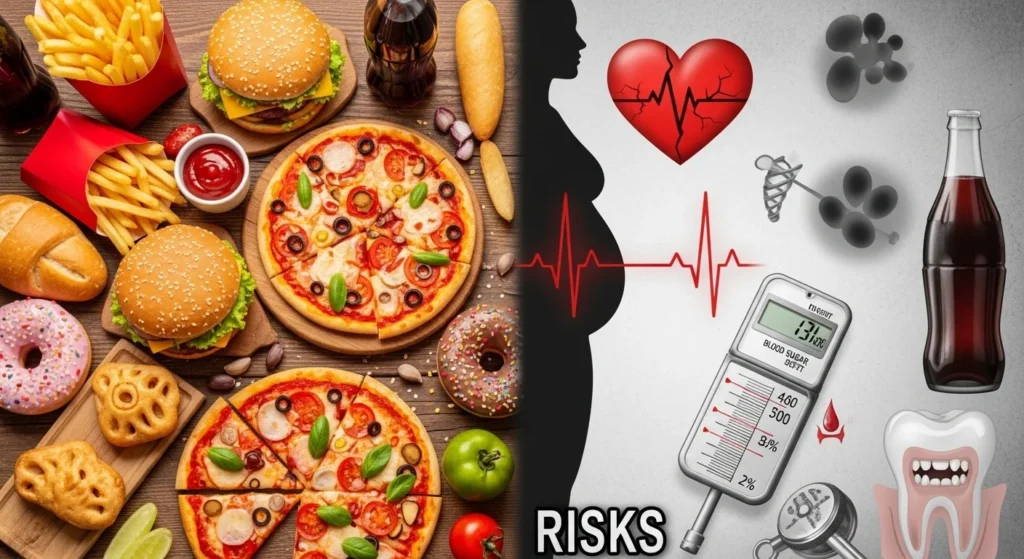

Imagine grabbing a burger, fries, and a soda during a busy lunch break. Tasty and convenient, right? But what seems like a harmless meal can have serious consequences if consumed regularly. Junk food, with its high sugar, salt, and unhealthy fat content, has become a staple in many people’s diets, especially in fast-paced lifestyles.
This topic is crucial because overconsumption of junk food is linked to multiple health issues, from obesity to heart disease and diabetes. Understanding its side effects helps individuals make informed choices, improve their diet, and maintain long-term wellness.
In this article, you will learn what junk food is, its causes, risk factors, symptoms, how it affects the body, treatment options, prevention strategies, and practical tips to maintain a healthy diet. By the end, you will understand why limiting junk food is essential for overall health.
What is Junk Food?
Junk food refers to highly processed food items that are low in nutrients but high in calories, sugars, salts, and unhealthy fats. Examples include chips, sugary drinks, fast food burgers, fried snacks, and pastries.
In everyday terms, junk food is “empty calories”—food that provides energy but very little nutrition. Regular consumption can lead to nutrient deficiencies, weight gain, and chronic illnesses.
Example: Eating a large pizza and soda may satisfy hunger temporarily, but it provides excessive calories, too much salt, and minimal vitamins or minerals, which strains your body over time.
Causes and Risk Factors of Junk Food Consumption
Understanding why people consume junk food can help prevent its harmful effects.
Main causes:
- Fast lifestyle and convenience
- Aggressive marketing and advertising
Lifestyle-related factors:
- Sedentary behavior
- Emotional eating or stress-driven cravings
- Peer influence and social habits
Genetic or environmental factors:
- Family eating patterns
- Accessibility to fresh, healthy foods
- Cultural preference for fried or sugary foods
Symptoms and Warning Signs of Excess Junk Food Intake
Consuming junk food excessively may produce both immediate and long-term health effects.
Early symptoms:
- Frequent fatigue
- Weight gain
- Digestive discomfort, bloating, or constipation
Advanced symptoms:
- High cholesterol or blood pressure
- Insulin resistance leading to diabetes
- Cardiovascular issues or fatty liver disease
When to see a doctor:
- Persistent digestive problems
- Rapid or unexplained weight gain
- Signs of nutrient deficiency, like brittle nails or fatigue
How Junk Food Affects the Body
Junk food impacts the body in several ways:
- Weight Gain: High sugar and fat content leads to excess calorie storage as fat.
- Heart Health: Trans fats and high sodium increase cholesterol and blood pressure.
- Digestive Issues: Lack of fiber causes constipation and poor gut health.
- Energy Fluctuations: Simple sugars lead to rapid spikes and crashes in energy levels.
- Mental Health: Excess sugar may increase anxiety or mood swings over time.
Analogy: Junk food acts like cheap fuel for your body—initial energy is quick, but long-term wear and tear occurs.
Types of Junk Food
Fast Food
Burgers, fries, pizza—high in fats, salt, and calories, leading to weight gain and cardiovascular risk.
Sugary Snacks
Chocolates, candies, pastries—cause rapid blood sugar spikes and tooth decay.
Processed Foods
Instant noodles, packaged chips—contain preservatives, trans fats, and low nutrients.
Sugary Drinks
Sodas, energy drinks—high in sugar, causing obesity, diabetes risk, and dental issues.
Diagnosis and Medical Tests
Doctors may evaluate the impact of junk food on health through:
- Blood tests: Check cholesterol, triglycerides, and blood sugar levels
- BMI and body composition: Assess obesity risk
- Liver function tests: Detect fatty liver disease
- Blood pressure monitoring: Identify cardiovascular risks
Interpretation: Abnormal results suggest lifestyle changes, including reducing junk food intake and improving diet quality.
Treatment Options
Addressing junk food side effects involves multiple approaches:
Medical treatments:
- Medication for high cholesterol, diabetes, or hypertension
- Nutritional counseling
Medications:
- Anti-diabetic drugs for insulin resistance
- Lipid-lowering agents for cholesterol management
Therapy options:
- Behavioral therapy for emotional eating
- Support groups for lifestyle change
Lifestyle changes:
- Balanced diet with fruits, vegetables, and whole grains
- Regular exercise
- Mindful eating practices
Surgery (rare cases):
- Bariatric surgery for severe obesity caused by poor diet
Prevention Tips
Preventing the harmful effects of junk food involves conscious lifestyle choices:
- Healthy habits: Cook at home and plan meals
- Diet recommendations: Replace sugary and fried foods with fresh fruits, vegetables, and lean proteins
- Exercise suggestions: Moderate activity 30–60 minutes daily
- Mental wellness tips: Manage stress to reduce emotional eating
Advantages and Disadvantages
Advantages:
- Occasional junk food may satisfy cravings and improve mood temporarily
- Social enjoyment during events or celebrations
Disadvantages:
- Regular consumption leads to obesity, heart disease, diabetes, and digestive issues
- High sugar and fat can harm mental health and skin health
- Long-term dependency on unhealthy foods makes dietary change difficult
Applications / Real-Life Impact
Junk food affects multiple areas of life:
- Health: Increases risk of chronic diseases and reduces overall well-being
- Work and family: Reduced energy, productivity, and higher healthcare needs
- Social and emotional: May lead to guilt, stress eating, or low self-esteem
Example: Teenagers who frequently eat fast food are more likely to experience obesity and decreased academic performance.
Common Questions & Practical Solutions
Q1: Can side effects of junk food be reversed?
A: Many effects are reversible with diet improvement, exercise, and medical care for chronic conditions.
Q2: Is junk food dangerous?
A: Excessive consumption is dangerous, increasing risk of obesity, heart disease, and diabetes.
Q3: Can it be prevented?
A: Yes, by limiting intake, eating balanced meals, and maintaining an active lifestyle.
Future Trends and Medical Advances
Research continues to reduce junk food harm and improve public health:
- Healthier fast food options: Lower fat, salt, and sugar alternatives
- Functional foods: Enriched with vitamins and fiber
- Nutrition tracking apps: Help monitor unhealthy eating habits
- Preventive medicine: Public campaigns to educate and encourage healthy eating
Conclusion
The side effects of junk food are serious but largely preventable. Regular consumption of unhealthy foods can lead to obesity, heart disease, diabetes, and digestive issues. By understanding its risks, making conscious dietary choices, and adopting a balanced lifestyle, individuals can protect their long-term health. Awareness, moderation, and prevention are key to minimizing the harmful effects of junk food.