
Imagine feeling tired all the time even after a full night of sleep. You may struggle to concentrate at work or school, feel dizzy while walking, and notice your skin looking pale. Many people experience these symptoms but often ignore them, thinking they are simply due to stress or lack of rest. However, these signs may indicate a common medical condition called anemia.
Understanding Symptoms and Treatment of Anemia is important because anemia affects millions of people worldwide. It occurs when the body does not have enough healthy red blood cells or hemoglobin to carry oxygen to tissues. When oxygen supply is low, the body cannot function properly, which leads to weakness, fatigue, and other health problems.
Anemia can affect children, adults, pregnant women, and elderly individuals. If left untreated, it can cause serious complications such as heart problems or severe fatigue that affects daily life.
In this article, you will learn about the Symptoms and Treatment of Anemia, including anemia causes, warning signs, diagnosis methods, treatment options, and prevention strategies. The goal is to provide clear, medically responsible information to help readers understand anemia and recognize when professional medical advice is needed.
2. What is Symptoms and Treatment of Anemia?
Symptoms and Treatment of Anemia refers to understanding the warning signs of anemia and the medical or lifestyle methods used to manage and treat the condition.
Anemia is a medical condition in which the body has too few red blood cells or low levels of hemoglobin. Hemoglobin is a protein in red blood cells that carries oxygen from the lungs to the rest of the body.
In simple terms, anemia means the body is not getting enough oxygen through the blood. Without sufficient oxygen, organs and tissues cannot work efficiently.
How Anemia Affects the Body
When oxygen delivery is reduced, the body may experience:
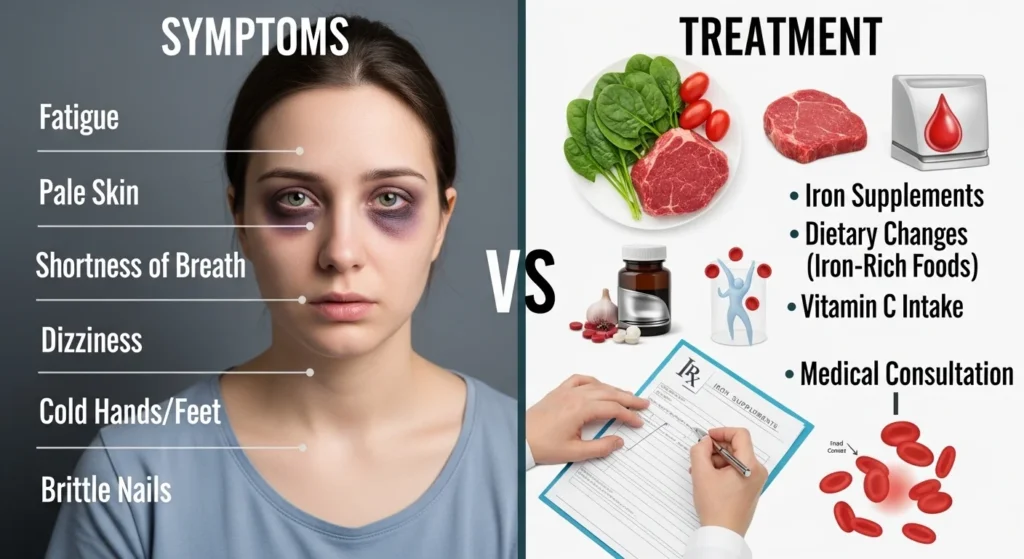
- Fatigue and weakness
- Dizziness
- Shortness of breath
- Pale skin
The heart may also work harder to deliver oxygen, which can lead to additional health problems if the condition becomes severe.
Real-Life Example
For example, a person with anemia may feel exhausted after climbing a small staircase, while someone without anemia performs the same activity easily. This difference occurs because the body’s oxygen supply is reduced in anemia.
Understanding Symptoms and Treatment of Anemia helps people recognize early warning signs and seek proper care.
3. Causes and Risk Factors
Understanding Symptoms and Treatment of Anemia causes helps explain why the condition develops.
Anemia can occur for several reasons, including nutritional deficiencies, medical conditions, or genetic factors.
Main Causes
- Iron deficiency
Iron is necessary to produce hemoglobin. A lack of iron is one of the most common anemia causes. - Vitamin deficiency
Low levels of vitamin B12 or folate can affect red blood cell production. - Blood loss
Heavy menstrual bleeding, injury, or internal bleeding can reduce red blood cell levels. - Chronic diseases
Kidney disease, cancer, and inflammatory conditions may interfere with blood cell production.
Lifestyle-Related Factors
- Poor diet lacking essential nutrients
- Excessive alcohol consumption
- Long-term unhealthy eating habits
Genetic or Environmental Factors
- Inherited blood disorders
- Certain medications
- Exposure to toxins
Recognizing these anemia causes helps guide effective prevention and treatment strategies.
4. Symptoms and Warning Signs
Recognizing Symptoms and Treatment of Anemia symptoms is essential for early diagnosis.
Early Symptoms
Early signs of anemia may include:
- Fatigue and weakness
- Pale or yellowish skin
- Cold hands and feet
- Headaches
- Dizziness
These symptoms often develop slowly and may be overlooked.
Advanced Symptoms
If anemia becomes severe, symptoms may include:
- Shortness of breath
- Chest pain
- Irregular heartbeat
- Severe fatigue
- Difficulty concentrating
When to See a Doctor
Medical attention is recommended if someone experiences:
- Persistent fatigue
- Frequent dizziness
- Unexplained weakness
- Shortness of breath during normal activities
Early medical evaluation can prevent complications and improve recovery.
5. How It Works in the Body
To understand Symptoms and Treatment of Anemia, it helps to know how oxygen transport works in the body.
Red blood cells carry oxygen using hemoglobin. Oxygen is delivered from the lungs to organs and tissues where it is used to produce energy.
Step-by-Step Process
- Oxygen enters the lungs
The lungs absorb oxygen from the air we breathe.
- Red blood cells carry oxygen
Hemoglobin inside red blood cells binds with oxygen.
- Oxygen is delivered to tissues
Blood circulates throughout the body and supplies oxygen to organs.
- Energy production occurs
Cells use oxygen to produce energy for normal body functions.
Simple Analogy
Think of red blood cells as delivery trucks carrying oxygen packages throughout the body. If there are fewer trucks or the trucks are not functioning properly, oxygen cannot reach its destination efficiently.
This is what happens during anemia.
6. Types / Classification
There are several types of anemia depending on the underlying cause.
Iron Deficiency Anemia
This is the most common type.
It occurs when the body does not have enough iron to produce hemoglobin.
Common causes include poor diet, blood loss, and pregnancy.
Vitamin Deficiency Anemia
This type occurs when the body lacks vitamin B12 or folate.
These nutrients are necessary for proper red blood cell formation.
Aplastic Anemia
A rare but serious condition where the bone marrow does not produce enough blood cells.
It may result from infections, medications, or autoimmune disorders.
Hemolytic Anemia
This occurs when red blood cells are destroyed faster than they are produced.
Certain infections, medications, or inherited conditions can cause this type.
7. Diagnosis and Medical Tests
Doctors diagnose anemia through medical evaluation and laboratory tests.
Medical Evaluation
Healthcare providers may review:
- Symptoms
- Medical history
- Diet and lifestyle habits
Common Medical Tests
The most common diagnostic tests include:
- Complete Blood Count (CBC)
Measures red blood cells and hemoglobin levels. - Iron level tests
Determine iron deficiency. - Vitamin B12 and folate tests
Identify vitamin deficiencies.
Understanding Test Results
Low hemoglobin or red blood cell counts usually indicate anemia. The specific cause determines the appropriate treatment.
8. Treatment Options
Understanding Symptoms and Treatment of Anemia treatment helps manage the condition effectively.
Treatment depends on the underlying cause of anemia.
Medical Treatments
Doctors may treat the underlying disease causing anemia.
Medications
Some common treatment approaches include:
- Iron supplements
- Vitamin B12 supplements
- Folic acid supplements
These treatments help restore healthy red blood cell production.
Therapy Options
In severe cases, doctors may recommend:
- Blood transfusions
- Bone marrow treatments
Lifestyle Changes
Lifestyle improvements can support recovery.
Important changes include:
- Eating iron-rich foods
- Maintaining balanced nutrition
- Regular health checkups
Surgery may be necessary in rare cases involving severe internal bleeding.
9. Prevention Tips
Practicing Symptoms and Treatment of Anemia prevention strategies can reduce the risk of developing anemia.
Healthy Habits
- Maintain a balanced diet
- Get regular health checkups
- Avoid excessive alcohol
Diet Recommendations
Foods that support healthy blood production include:
- Leafy green vegetables
- Lean meat
- Eggs
- Beans and lentils
- Whole grains
Exercise Suggestions
Moderate exercise improves circulation and overall health.
Examples include walking, cycling, or light fitness training.
Mental Wellness
Managing stress and maintaining a healthy lifestyle supports overall well-being.
10. Advantages and Disadvantages
Understanding Symptoms and Treatment of Anemia advantages and disadvantages provides a balanced view.
Advantages of Early Treatment
- Faster recovery
- Reduced risk of complications
- Improved energy levels
- Better quality of life
Risks of Ignoring Anemia
- Severe fatigue
- Heart complications
- Reduced productivity
- Increased health risks
Early diagnosis and treatment significantly improve outcomes.
11. Applications / Real-Life Impact
The impact of Symptoms and Treatment of Anemia can affect many areas of life.
Daily Life
People with untreated anemia may struggle with simple activities such as walking, working, or studying.
Work and Productivity
Fatigue and low energy can reduce productivity and concentration.
Family and Social Life
Chronic fatigue may affect social participation and family activities.
Proper treatment helps restore energy and improve quality of life.
12. Common Questions & Practical Solutions
Q1: Can anemia be cured?
Yes. Many types of anemia can be treated successfully once the underlying cause is identified.
Q2: Is anemia dangerous?
Mild anemia may cause fatigue, but severe anemia can lead to serious health complications.
Q3: Can anemia be prevented?
Many cases can be prevented by maintaining a healthy diet and regular medical checkups.
Q4: Who is at higher risk?
Pregnant women, children, elderly individuals, and people with poor nutrition may have higher risk.
Q5: Should supplements be taken without medical advice?
It is always best to consult a healthcare professional before taking supplements.
13. Future Trends and Medical Advances
Medical science continues to improve the understanding and management of anemia.
New Treatments
Researchers are developing improved therapies for severe and genetic types of anemia.
Research Developments
Advances in nutrition science are improving prevention strategies.
Technology in Healthcare
Modern diagnostic tools allow earlier detection and more accurate diagnosis.
Preventive Medicine
Public health programs are focusing on nutrition education and early screening.
14. Conclusion
Understanding Symptoms and Treatment of Anemia is essential for maintaining good health and preventing complications. Anemia occurs when the body lacks sufficient red blood cells or hemoglobin to deliver oxygen efficiently. This can lead to fatigue, weakness, dizziness, and other health concerns.
The most common anemia causes include iron deficiency, vitamin deficiencies, blood loss, and chronic diseases. Recognizing anemia symptoms early allows individuals to seek medical advice and receive appropriate care.
Effective anemia treatment often involves improving nutrition, taking supplements if needed, and addressing underlying medical conditions. Prevention strategies such as balanced diet, regular checkups, and healthy lifestyle habits can reduce the risk of developing anemia.
If symptoms appear or persist, consulting a healthcare professional is important. With proper awareness and timely care, anemia can often be managed successfully, allowing individuals to live healthier and more active lives.