
Ali looked at himself in the mirror and felt disappointed. His clothes felt tighter, he felt tired during the day, and climbing stairs left him breathless. He decided to lose weight, but every time he searched online, he found confusing advice — skip carbs, eat only protein, drink special shakes, or follow extreme fasting.
Like Ali, many beginners feel lost when starting their weight loss journey.
This is why understanding a Weight Loss Diet Plan for Beginners is so important. A proper plan is not about starving yourself or following dangerous trends. It is about balanced nutrition, portion control, and healthy habits that you can maintain long term.
In this detailed guide, you will learn what a weight loss diet plan really means, how it works, different types, benefits, risks, daily applications, and expert-backed tips. By the end, you will have a clear and practical roadmap to start your journey safely and confidently.
2. What is a Weight Loss Diet Plan for Beginners?
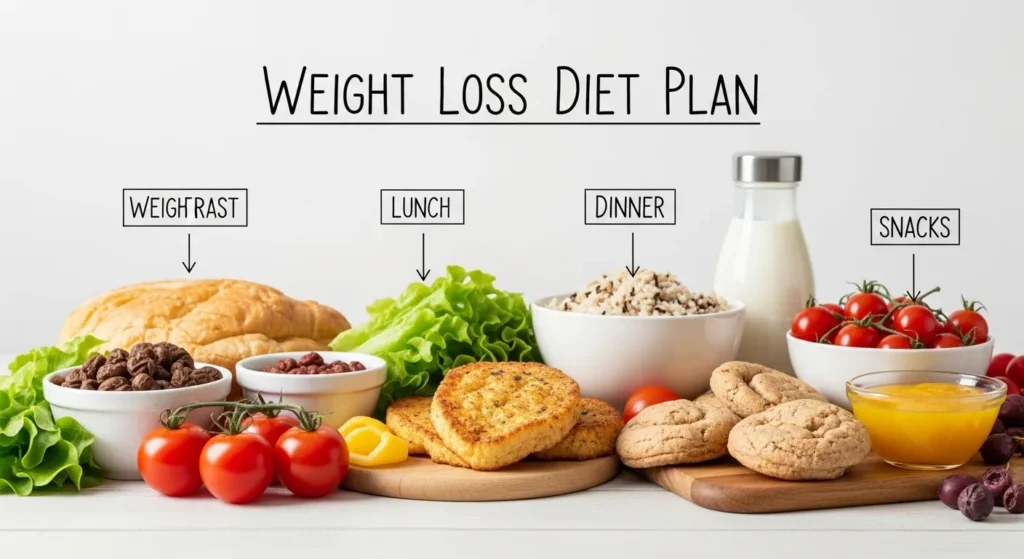
A Weight Loss Diet Plan for Beginners is a structured eating approach designed to help individuals reduce body weight safely by controlling calories while maintaining proper nutrition.
Simple Definition
It means eating the right foods in the right portions to create a calorie deficit — where your body burns more calories than it consumes.
Practical Real-Life Example
Think of your body like a bank account.
- Calories you eat = money you deposit.
- Calories you burn = money you spend.
If you spend more than you deposit, your balance decreases. Similarly, when you burn more calories than you eat, your body uses stored fat for energy.
This process leads to gradual and healthy weight loss.
3. How It Works – Step-by-Step Process
A weight loss diet works through a simple biological process.
Step 1: Calorie Deficit
You reduce daily calorie intake slightly below your body’s needs.
Step 2: Fat Utilization
When calories are lower, the body starts using stored fat for energy.
Step 3: Metabolism Support
Balanced nutrients maintain muscle mass and metabolic rate.
Step 4: Sustainable Habit Formation
Healthy food choices become routine, preventing weight regain.
Common Weight Gain Causes and Prevention
Understanding weight loss causes and prevention is essential:
Causes of Weight Gain:
- Overeating processed food
- Sugary drinks
- Physical inactivity
- Emotional eating
- Lack of sleep
Prevention:
- Balanced meals
- Regular physical activity
- Portion control
- Proper hydration
4. Types of Weight Loss Diet Plans
Balanced Calorie-Control Diet
Focuses on reducing calories while including all food groups.
Best for beginners.
Low-Carbohydrate Diet
Reduces carbohydrate intake.
May help control blood sugar and appetite.
High-Protein Diet
Increases protein to preserve muscle mass and reduce hunger.
Intermittent Fasting
Limits eating to specific time windows.
Suitable for disciplined individuals.
Beginners should start with a balanced calorie-control diet for safety and sustainability.
5. Main Components of a Weight Loss Diet Plan
1. Controlled Calories
Calorie intake should match weight loss goals without extreme restriction.
2. Protein
Supports muscle and reduces hunger.
Sources: eggs, chicken, fish, lentils, beans.
3. Fiber
Improves digestion and keeps you full longer.
Sources: vegetables, fruits, whole grains.
4. Healthy Fats
Support hormone balance.
Sources: nuts, seeds, olive oil.
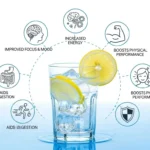
5. Water
Improves metabolism and reduces unnecessary hunger.
The benefits of proper nutrition during weight loss are improved energy and better long-term results.
6. Benefits of a Weight Loss Diet Plan
Following a structured Weight Loss Diet Plan for Beginners offers many advantages:
- Healthy and gradual fat loss
- Improved energy levels
- Better digestion
- Reduced risk of diabetes
- Lower blood pressure
- Improved heart health
- Better sleep quality
- Increased self-confidence
The benefits of healthy weight management extend beyond appearance — they improve overall health and quality of life.
7. Risks / Side Effects / Limitations
While dieting can be beneficial, improper methods may cause problems.
Possible Side Effects
- Fatigue
- Nutrient deficiency
- Hair fall
- Irritability
- Slow metabolism
Safety Considerations
- Avoid extreme calorie cuts.
- Do not eliminate entire food groups.
- Consult a healthcare professional if you have medical conditions.
Healthy weight loss treatment options may include medical guidance, nutrition counseling, or supervised programs if needed.
8. Applications / Daily Life Uses
At Home
- Prepare home-cooked meals.
- Use smaller plates for portion control.
- Replace fried food with grilled options.
At Workplace
- Carry healthy snacks like nuts or fruit.
- Avoid vending machine junk food.
- Drink water instead of sugary beverages.
Modern Lifestyle Relevance
With sedentary jobs and fast food culture, structured diet planning is more important than ever.
9. Comparison Section
Weight Loss Diet Plan vs Crash Diet
| Feature | Weight Loss Diet Plan | Crash Diet |
|---|---|---|
| Speed | Gradual | Very fast |
| Safety | Safe and balanced | Risky |
| Nutrient Intake | Adequate | Often deficient |
| Sustainability | Long-term | Short-term |
| Weight Regain | Low risk | High risk |
Crash diets may show quick results, but healthy plans provide lasting success.
10. Selection Guide / Prevention Guide
How to Choose the Right Plan
- Start with small calorie reduction.
- Focus on whole foods.
- Choose a plan that fits your lifestyle.
- Avoid extreme restrictions.
Healthy Tips for Beginners
- Eat every 3–4 hours.
- Include protein in each meal.
- Sleep 7–8 hours daily.
- Exercise at least 30 minutes.
- Track your progress weekly.
Weight regain prevention depends on long-term habit building, not temporary dieting.
11. Common Problems & Solutions (FAQs Style)
Q1: What are weight loss symptoms?
Healthy weight loss symptoms include reduced body fat, better stamina, and improved mood. Weakness may indicate poor nutrition.
Q2: How fast should beginners lose weight?
0.5 to 1 kg per week is considered safe.
Q3: Are there weight loss treatment options for obesity?
Yes. These include supervised diet plans, physical activity programs, and medical consultation.
Q4: Can I lose weight without exercise?
Yes, but combining diet and exercise gives better results.
Q5: Why do I stop losing weight?
This may happen due to metabolic adaptation. Adjust calories or increase activity slightly.
12. Future Trends in Weight Loss
Modern health science is focusing on:
- Personalized diet plans
- Genetic-based nutrition
- Gut microbiome research
- Mobile calorie tracking apps
- Wearable fitness devices
Future weight loss strategies will become more customized and technology-driven, making it easier for beginners to follow structured plans.
13. Conclusion
A Weight Loss Diet Plan for Beginners is not about starving or following extreme rules. It is about creating a small calorie deficit, eating balanced meals, and building sustainable habits.
Healthy weight loss improves heart health, energy levels, mental confidence, and overall well-being. By focusing on whole foods, proper hydration, regular activity, and consistent habits, beginners can achieve long-term success.
Start small, stay consistent, and remember that slow progress is still progress. Your journey to better health begins with simple daily choices.