
Imagine a person who wakes up every morning feeling tired, struggling to climb stairs, and noticing their clothes getting tighter. Many people experience this situation when they gain excess weight due to unhealthy eating habits, lack of exercise, or a busy lifestyle. Over time, this extra weight can affect energy levels, confidence, and even overall health.
Maintaining a healthy body weight is important not only for appearance but also for preventing serious health conditions. Excess body weight is linked to problems such as heart disease, diabetes, high blood pressure, and joint pain. That is why learning effective weight loss tips can help people improve their health and live a more active life.
However, weight loss is not about starving or following extreme diets. Healthy weight loss requires balanced nutrition, regular physical activity, and sustainable lifestyle changes. When done properly, it can improve physical fitness, mental well-being, and long-term health.
In this article, you will learn practical and science-based weight loss tips, including the weight loss causes, weight loss symptoms, weight loss treatment, and weight loss prevention strategies. The guide will also explain how the body manages weight, common risk factors, and safe methods for achieving long-term results.
2. What is Weight Loss?
Weight loss refers to a reduction in total body weight. This usually occurs when the body burns more calories than it receives from food.
In simple terms, weight loss happens when your body uses stored fat for energy. Fat is the body’s way of storing extra energy from food. When calorie intake decreases or physical activity increases, the body begins to burn this stored fat.
Simple Explanation
Calories are units of energy found in food. When people eat more calories than they burn, the extra energy is stored as fat. Over time, this leads to weight gain.
Weight loss occurs when:
- Calorie intake decreases
- Physical activity increases
- The body uses stored fat for energy
Practical Example
Consider someone who regularly consumes fast food and sugary drinks while sitting most of the day at a desk job. This lifestyle may cause gradual weight gain.
If the person begins eating balanced meals, drinking more water, and walking for 30 minutes daily, their body will start burning more calories. Over time, this leads to healthy weight loss.
3. Causes and Risk Factors
Understanding weight loss causes and risk factors helps people manage their body weight effectively.
Lifestyle-Related Factors
Many weight problems occur due to lifestyle habits.
Common lifestyle causes include:
- Unhealthy diet: High consumption of sugary drinks, processed foods, and fast food.
- Lack of physical activity: Sitting for long hours without exercise.
- Poor sleep: Inadequate sleep can affect hormones that control hunger.
- Stress eating: Emotional stress may cause overeating.
Biological and Medical Factors
Some people gain weight due to internal body processes.
Examples include:
- Hormonal imbalance: Certain hormones affect metabolism and fat storage.
- Slow metabolism: The body burns calories at a slower rate.
- Medical conditions: Some health conditions can affect body weight.
Environmental and Social Factors
External factors can also influence body weight.
- Easy availability of unhealthy food
- Busy work schedules
- Lack of safe exercise environments
These factors increase the risk of unhealthy weight gain.
4. Symptoms and Warning Signs
Weight problems often develop gradually. Recognizing early signs can help people take action sooner.
Early Symptoms
Early signs may include:
- Gradual increase in body weight
- Reduced stamina during physical activity
- Feeling tired more easily
- Tight-fitting clothes
Advanced Symptoms
If weight gain continues, more serious symptoms may appear.
These include:
- Joint pain
- Shortness of breath
- Increased blood pressure
- Higher risk of diabetes
When to See a Doctor
It is recommended to consult a healthcare professional if:
- Weight gain is sudden or unexplained
- Body mass index (BMI) becomes very high
- Weight-related health problems appear
Medical guidance helps ensure safe weight management.
5. How Weight Loss Works in the Body
The body manages energy through a balance between calorie intake and calorie expenditure.
Step-by-Step Process
- Food provides energy in the form of calories.
- The body uses these calories for daily activities.
- Extra calories are stored as fat.
- When calorie intake decreases, the body uses stored fat.
- Burning stored fat leads to weight loss.
Simple Analogy
Think of the body as a bank account for energy.
- Food adds energy deposits.
- Physical activity withdraws energy.
If withdrawals are greater than deposits, the stored energy (fat) begins to decrease.
6. Types / Classification of Weight Loss
Weight loss can occur in different ways.
Intentional Weight Loss
Intentional weight loss happens when a person actively tries to reduce body weight.
Common methods include:
- Healthy diet
- Regular exercise
- Lifestyle changes
This type is usually safe when done properly.
Unintentional Weight Loss
Unintentional weight loss occurs without trying.
Possible causes include:
- illness
- digestive problems
- stress
- certain medical conditions
If weight loss happens unexpectedly, medical advice should be sought.
7. Diagnosis and Medical Tests
Doctors use several methods to evaluate body weight and health risks.
Body Mass Index (BMI)
BMI compares body weight to height.
It helps determine whether a person is:
- underweight
- normal weight
- overweight
- obese
Waist Circumference
This measurement evaluates fat around the abdomen.
High abdominal fat increases risk of heart disease and diabetes.
Blood Tests
Doctors may order blood tests to check:
- cholesterol levels
- blood sugar
- hormone levels
These tests help identify health risks related to weight.
8. Treatment Options
Effective weight loss treatment focuses on long-term lifestyle improvements.
Healthy Diet
Balanced nutrition is essential.
Healthy diet practices include:
- Eating fruits and vegetables
- Choosing whole grains
- Reducing sugar intake
- Limiting processed foods
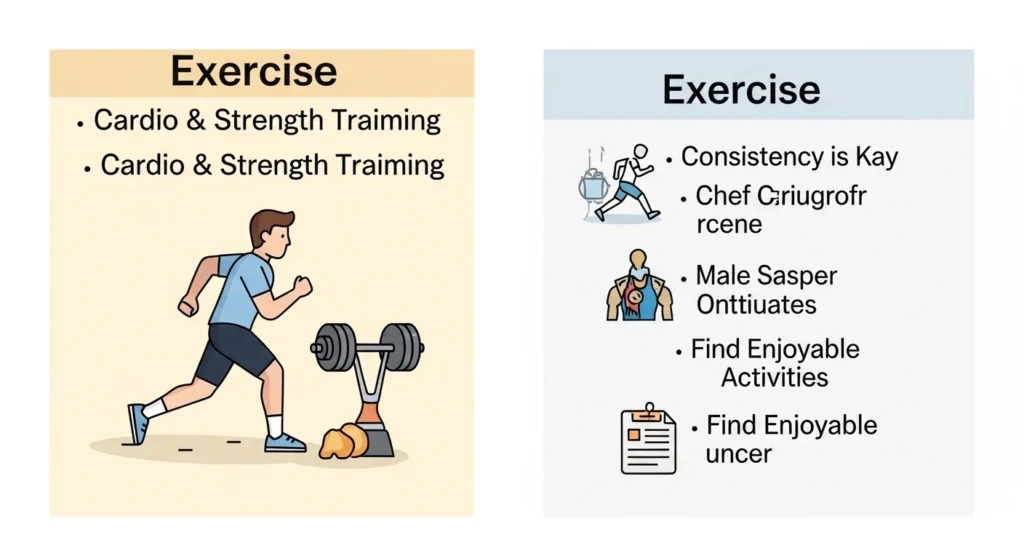
Physical Activity
Exercise helps burn calories and improve metabolism.
Common exercises include:
- walking
- cycling
- swimming
- strength training
Behavioral Therapy
Behavioral strategies help people develop healthier habits.
Examples include:
- mindful eating
- tracking food intake
- setting realistic goals
Medical Treatment
In some cases, doctors may recommend medical treatments for severe obesity. These treatments are usually combined with lifestyle changes.
9. Prevention Tips
Preventing weight problems is easier than treating them later.
Healthy Eating Habits
- Eat balanced meals
- Avoid excessive sugar and processed foods
- Control portion sizes
Regular Exercise
Physical activity improves metabolism and heart health.
Experts often recommend at least moderate daily movement such as walking or light exercise.
Proper Sleep
Adequate sleep helps regulate hunger hormones and supports healthy metabolism.
Mental Wellness
Stress management techniques such as meditation and relaxation exercises can prevent emotional eating.
10. Advantages and Disadvantages
Understanding weight loss advantages and disadvantages helps people adopt realistic expectations.
Benefits of Healthy Weight Loss
- Improved energy levels
- Better heart health
- Reduced risk of chronic diseases
- Increased mobility
- Improved self-confidence
Risks of Ignoring Weight Problems
- Higher risk of diabetes
- Heart disease
- Joint damage
- Reduced quality of life
Healthy weight management significantly improves long-term well-being.
11. Applications / Real-Life Impact
Maintaining a healthy weight affects many areas of life.
Impact on Daily Life
Healthy weight allows people to perform daily tasks more easily and feel more energetic.
Impact on Work
Employees with better physical health often experience improved concentration and productivity.
Social and Emotional Effects
Achieving healthy weight goals can improve confidence and mental well-being.
12. Common Questions & Practical Solutions
Q1: Can weight loss be permanent?
Yes. Sustainable weight loss is possible through long-term lifestyle changes such as healthy eating and regular exercise.
Q2: Is rapid weight loss safe?
Very rapid weight loss may not be healthy. Gradual and balanced weight reduction is generally safer and more sustainable.
Q3: Can weight loss be prevented?
Weight gain can often be prevented by maintaining healthy eating habits, staying physically active, and managing stress.
13. Future Trends and Medical Advances
Health science continues to improve methods for managing body weight.
Personalized Nutrition
Modern research focuses on personalized diet plans based on individual metabolism and genetics.
Digital Health Technology
Fitness apps and wearable devices help people track activity levels and calorie intake.
Preventive Healthcare
Doctors increasingly emphasize prevention through early lifestyle guidance.
These advancements support healthier and more effective weight management strategies.
14. Conclusion
Maintaining a healthy body weight is an important part of overall well-being. Excess weight can affect energy levels, increase health risks, and reduce quality of life. Learning practical weight loss tips helps people make better lifestyle choices and maintain long-term health.
Healthy weight loss involves balanced nutrition, regular physical activity, and positive behavioral changes. Understanding weight loss causes, weight loss symptoms, weight loss treatment, and weight loss prevention strategies allows individuals to manage their health more effectively.
It is important to remember that weight loss should always be gradual and sustainable. Extreme dieting or unhealthy practices can harm the body. Consulting healthcare professionals when needed ensures safe and responsible weight management.
By adopting healthy habits and staying consistent, individuals can achieve lasting results and enjoy a healthier, more active life.