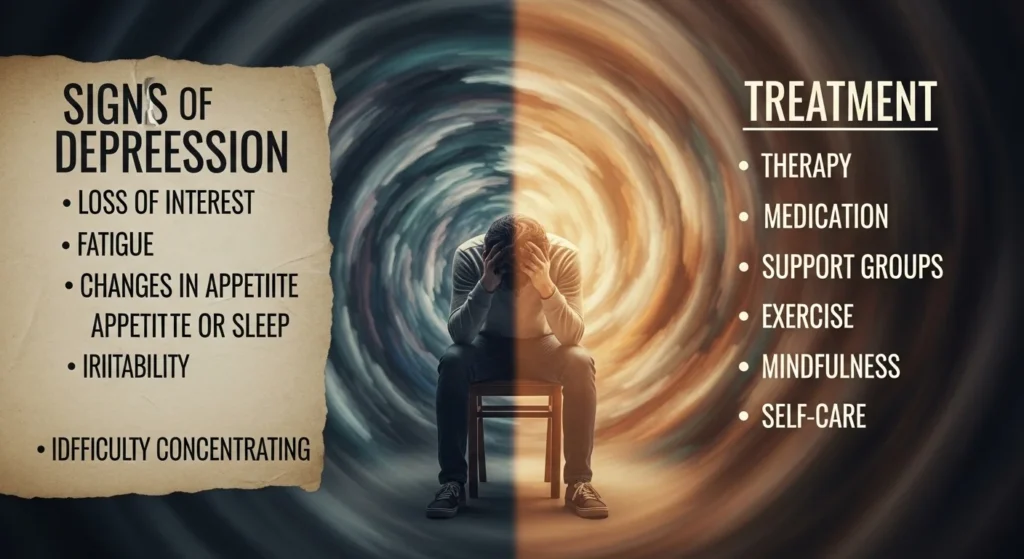

Imagine a student who once enjoyed spending time with friends, studying, and playing sports. Over time, they begin to feel constantly tired, lose interest in activities they once loved, and struggle to concentrate on simple tasks. Friends may think they are just having a bad day or feeling stressed. However, these feelings continue for weeks or even months. This situation may be a sign of depression.
Depression is one of the most common mental health conditions worldwide. It affects people of all ages, including teenagers, adults, and older individuals. Unlike temporary sadness, depression is a serious medical condition that can influence thoughts, emotions, behavior, and even physical health.
Understanding what is depression? signs and treatment is important because many people suffer silently without recognizing the symptoms. Early awareness can help individuals seek support and receive proper care before the condition becomes severe.
In this article, you will learn what depression is, the main depression causes, common depression symptoms, diagnosis methods, available depression treatment options, and practical prevention strategies. This information can help readers better understand mental health and support themselves or others who may be struggling.
2. What is Depression?
Depression is a mental health disorder that causes persistent feelings of sadness, loss of interest, and emotional distress that last for weeks or longer.
In medical terms, depression is often called major depressive disorder. It affects how a person thinks, feels, and behaves, and it may interfere with daily life.
In simple words, depression is more than just feeling sad for a short time. It is a condition where a person feels emotionally low, lacks motivation, and may struggle to enjoy normal activities.
How Depression Affects the Body
Depression can affect both the mind and body. It may influence:
- Brain chemicals related to mood
- Sleep patterns
- Appetite and energy levels
- Concentration and decision-making
Over time, untreated depression may affect work performance, relationships, and physical health.
Real-Life Example
A person with depression may wake up feeling exhausted even after a full night of sleep. They may lose interest in hobbies, avoid social interaction, and find it difficult to complete daily tasks.
Understanding what is depression signs and treatment helps people recognize when professional help may be needed.
3. Causes and Risk Factors
There is no single reason why depression occurs. Usually, several factors combine to trigger the condition.
Main Depression Causes
- Chemical imbalance in brain chemicals that regulate mood
- Stressful life events
- Long-term emotional pressure
Lifestyle-Related Factors
- Poor sleep habits
- Lack of physical activity
- Substance misuse such as alcohol or drugs
- Chronic stress from work or school
Genetic Factors
Depression may run in families. People with a family history of depression may have a higher risk.
Environmental Factors
External conditions may also contribute to depression, such as:
- Financial problems
- Relationship conflicts
- Social isolation
- Traumatic experiences
Understanding these depression causes can help individuals recognize personal risk factors and seek support early.
4. Symptoms and Warning Signs
Recognizing depression symptoms is essential for early treatment.
Early Symptoms
- Persistent sadness or low mood
- Loss of interest in hobbies or activities
- Fatigue or low energy
- Difficulty concentrating
Emotional Symptoms
- Feelings of hopelessness
- Irritability or frustration
- Low self-esteem
- Lack of motivation
Physical Symptoms
- Changes in appetite
- Sleep problems (too much or too little sleep)
- Headaches or body pain without clear cause
Advanced Symptoms
If untreated, depression may lead to:
- Severe emotional distress
- Withdrawal from family and friends
- Difficulty functioning at work or school
When to See a Doctor
Medical advice should be considered if symptoms:
- Last longer than two weeks
- Interfere with daily life
- Cause emotional distress or hopelessness
Professional support is important for proper depression treatment.
5. How It Works in the Body
To understand depression, it is helpful to see how it affects the brain.
The brain contains chemical messengers called neurotransmitters. These chemicals help regulate mood, emotions, and communication between brain cells.
Examples include:
- Serotonin
- Dopamine
- Norepinephrine
Step-by-Step Process
- Stress or biological factors affect brain chemistry.
- Neurotransmitter balance becomes disrupted.
- Mood regulation becomes difficult.
- Emotional and physical symptoms develop.
Simple Analogy
Think of brain chemicals like signals in a communication system. If the signals become weak or irregular, communication between brain cells may not work properly. This can affect mood and emotional stability.
Understanding this process helps explain why medical and psychological depression treatment can improve symptoms.
6. Types / Classification
Depression can appear in several forms.
Major Depressive Disorder
This is the most common form of depression.
Symptoms are severe and may last for weeks or months. It often affects daily functioning.
Persistent Depressive Disorder
This type involves long-term low mood that lasts for two years or more.
Symptoms may be less severe than major depression but continue for a longer period.
Seasonal Affective Disorder
This type occurs during certain seasons, often during winter months when sunlight is limited.
People may experience low energy and mood changes during this time.
Postpartum Depression
Some women experience depression after childbirth due to hormonal changes and emotional stress.
Recognizing these types helps healthcare professionals select the most effective depression treatment.
7. Diagnosis and Medical Tests
Doctors diagnose depression through clinical evaluation rather than a single laboratory test.
Medical Assessment
Healthcare professionals may ask about:
- Emotional symptoms
- Sleep patterns
- Appetite changes
- Stress levels
Psychological Screening
Doctors may use questionnaires to measure depression severity.
Physical Health Check
Medical tests may be performed to rule out conditions that mimic depression symptoms, such as:
- Thyroid problems
- Vitamin deficiencies
Proper diagnosis ensures accurate and safe depression treatment.
8. Treatment Options
Effective depression treatment often involves a combination of therapies.
Psychological Therapy
Therapy helps individuals understand and manage negative thoughts.
Common therapies include:
- Cognitive Behavioral Therapy (CBT)
- Counseling
- Supportive therapy
Medications
Doctors may prescribe medications called antidepressants. These medicines help balance brain chemicals related to mood.
Medication should always be taken under medical supervision.
Lifestyle Changes
Healthy lifestyle habits can support recovery:
- Regular exercise
- Balanced nutrition
- Adequate sleep
Social Support
Talking with family members, friends, or support groups may help individuals cope with emotional challenges.
9. Prevention Tips
Although depression cannot always be prevented, healthy habits may reduce risk.
Healthy Lifestyle
- Maintain regular sleep patterns
- Exercise regularly
- Eat balanced meals
Mental Wellness
- Practice stress management
- Maintain social connections
- Seek support during difficult times
Emotional Self-Care
Activities that support emotional health include:
- Meditation
- Relaxation techniques
- Creative hobbies
These strategies contribute to effective depression prevention.
10. Advantages and Disadvantages
Benefits of Early Treatment
Early diagnosis and treatment provide several advantages:
- Faster recovery
- Improved emotional well-being
- Better quality of life
Risks of Ignoring Depression
Untreated depression may lead to:
- Worsening emotional distress
- Reduced productivity
- Strained relationships
Understanding depression advantages and disadvantages highlights the importance of seeking timely care.
11. Applications / Real-Life Impact
Depression can influence many aspects of life.
Daily Life
Simple tasks such as cooking, studying, or maintaining routines may become difficult.
Work and Academic Performance
Depression can reduce concentration, productivity, and motivation.
Family and Social Relationships
Emotional withdrawal may affect communication and relationships with loved ones.
Emotional Well-Being
Many individuals experience feelings of isolation, frustration, or guilt.
Recognizing the impact helps encourage empathy and support for people experiencing depression.
12. Common Questions & Practical Solutions
Q1: Can depression be cured?
Many people recover from depression with proper treatment and support. Early help improves recovery outcomes.
Q2: Is depression dangerous?
Depression can significantly affect emotional and physical health. Seeking professional support is important if symptoms persist.
Q3: Can depression be prevented?
Healthy lifestyle habits, stress management, and strong social connections may reduce the risk of depression.
Q4: Should someone with depression talk to a doctor?
Yes. Mental health professionals can provide proper evaluation and recommend safe treatment options.
13. Future Trends and Medical Advances
Mental health research continues to improve depression care.
Advanced Therapies
New psychological therapies are being developed to improve emotional resilience and coping skills.
Improved Medications
Researchers are studying faster-acting antidepressant medications with fewer side effects.
Digital Mental Health Tools
Mobile applications and telehealth platforms allow people to access counseling and mental health support remotely.
Preventive Mental Health Programs
Healthcare systems are focusing more on early screening and prevention to reduce the long-term impact of depression.
These developments may improve access to effective depression treatment worldwide.
14. Conclusion
Depression is a serious but treatable mental health condition that affects millions of people around the world. It involves persistent sadness, loss of interest, and emotional distress that can interfere with daily life.
Understanding what is depression signs and treatment is essential for recognizing symptoms early and seeking appropriate care. Depression can develop due to several factors, including stress, lifestyle habits, biological influences, and environmental challenges.
Fortunately, effective treatment options are available. Therapy, medication, lifestyle changes, and strong social support can help individuals recover and improve emotional well-being.
Mental health awareness is important for individuals, families, and communities. By encouraging open discussions, reducing stigma, and promoting healthy habits, society can support people experiencing depression.
If symptoms persist or interfere with daily life, consulting a qualified healthcare professional is an important step toward recovery and long-term mental wellness.