
Ali is a 38-year-old office worker who often feels tired, thirsty, and hungry even after eating. He also notices that he needs to urinate frequently during the day. At first, he ignores these signs, thinking they are caused by stress or a busy lifestyle. However, after visiting a doctor and getting a blood test, he discovers that he has diabetes.
This situation is becoming increasingly common around the world. Diabetes is a long-term health condition that affects millions of people and can lead to serious complications if it is not properly managed. Many individuals live with diabetes for years without realizing it because early symptoms may appear mild or confusing.
Understanding What is Diabetes? Types and Symptoms is very important for health students, caregivers, and general readers. Awareness helps people recognize warning signs early and take action before complications develop.
In this article, you will learn what diabetes is, diabetes causes, diabetes symptoms, and how it affects the body. You will also understand the different types of diabetes, diagnosis methods, diabetes treatment options, diabetes prevention tips, and the diabetes advantages and disadvantages of early management.
2. What is Diabetes? Types and Symptoms
Clear Medical Definition
Diabetes is a chronic medical condition that occurs when the body cannot properly regulate blood sugar (glucose) levels. This usually happens because the body does not produce enough insulin or cannot use insulin effectively.
Insulin is a hormone produced by the pancreas. Its main job is to help glucose move from the blood into the body’s cells, where it is used for energy.
Simple Explanation
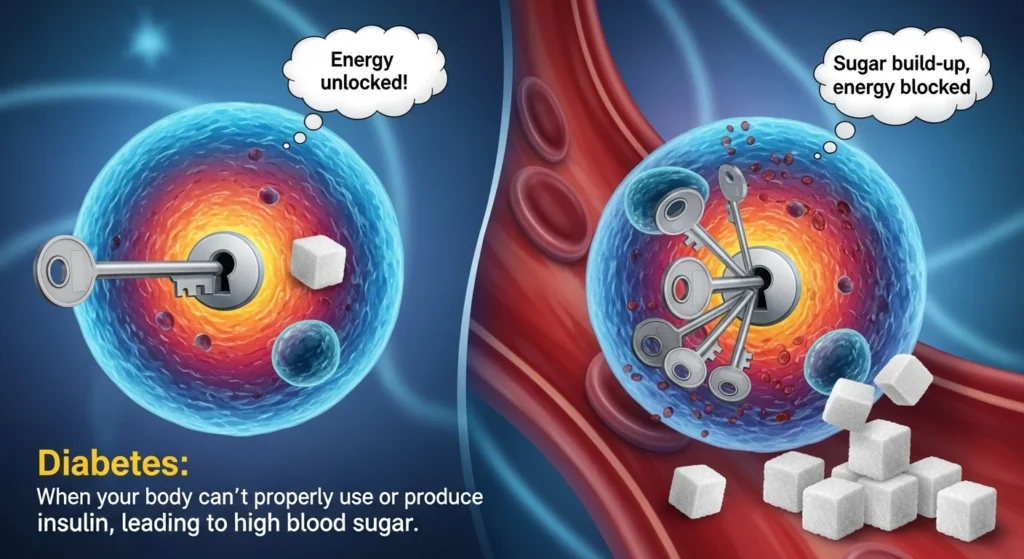
Think of glucose as fuel for the body and insulin as the key that opens the door to the cells. When the key does not work properly, glucose stays in the bloodstream instead of entering the cells. As a result, blood sugar levels become too high.
How It Affects the Body
High blood sugar levels over time can damage important organs, including the heart, kidneys, eyes, nerves, and blood vessels. This is why early detection and diabetes treatment are very important.
Practical Example
A person who frequently eats sugary foods, does little physical activity, and has a family history of diabetes may develop high blood sugar levels over time. If not controlled, this can lead to diabetes.
3. Causes and Risk Factors
Understanding diabetes causes helps people reduce their risk and protect their health.
Main Causes
The main causes of diabetes include:
- Problems with insulin production
- Insulin resistance in body cells
- Damage to insulin-producing cells in the pancreas
These problems prevent the body from controlling blood sugar properly.
Lifestyle-Related Factors
Several lifestyle habits increase the risk of diabetes:
- Lack of physical activity
- Unhealthy diet high in sugar and processed foods
- Obesity or excess body weight
- Poor sleep habits
- Chronic stress
These factors make it harder for the body to use insulin effectively.
Genetic or Environmental Factors
Other risk factors include:
- Family history of diabetes
- Aging
- Certain hormonal conditions
- Urban lifestyles with limited physical activity
People with these risk factors should monitor their health regularly.
4. Symptoms and Warning Signs
Diabetes symptoms can appear gradually, especially in type 2 diabetes.
Early Symptoms
Common early diabetes symptoms include:
- Frequent urination
- Increased thirst
- Unusual hunger
- Fatigue or weakness
- Blurred vision
These symptoms occur because the body cannot use glucose properly.
Advanced Symptoms
If diabetes remains untreated, more serious symptoms may appear:
- Slow healing wounds
- Numbness or tingling in hands and feet
- Frequent infections
- Unexplained weight loss
- Severe fatigue
When to See a Doctor
You should consult a healthcare professional if:
- You notice persistent diabetes symptoms
- You have a family history of diabetes
- You experience extreme thirst or sudden weight changes
Early diagnosis helps prevent complications.
5. How It Works in the Body
To understand diabetes, it is helpful to know how the body normally controls blood sugar.
Step-by-Step Process
- After eating food, the body breaks carbohydrates into glucose.
- Glucose enters the bloodstream.
- The pancreas releases insulin.
- Insulin allows glucose to enter body cells.
- Cells use glucose for energy.
What Happens in Diabetes
In diabetes, this process does not work properly:
- The pancreas may produce little or no insulin.
- The body’s cells may resist insulin.
- Glucose builds up in the blood.
Easy Analogy
Imagine insulin as a key and cells as locked doors. If the key is missing or the lock is damaged, glucose cannot enter the cells. Instead, it stays in the bloodstream.
6. Types / Classification
Diabetes is classified into different types depending on its cause.
Type 1 Diabetes
Type 1 diabetes is an autoimmune condition in which the immune system attacks the insulin-producing cells of the pancreas.
Key features:
- Usually appears in childhood or adolescence
- The body produces little or no insulin
- Patients require insulin therapy for life
Although it cannot be prevented, it can be managed with proper care.
Type 2 Diabetes
Type 2 diabetes is the most common form of diabetes.
Key features:
- The body becomes resistant to insulin
- Often linked to obesity and lifestyle habits
- Develops gradually over time
Many people manage type 2 diabetes through lifestyle changes and medication.
Gestational Diabetes
Gestational diabetes occurs during pregnancy.
Key points:
- Appears temporarily during pregnancy
- Usually disappears after childbirth
- Increases the future risk of type 2 diabetes
Proper monitoring helps protect both mother and baby.
7. Diagnosis and Medical Tests
Doctors use several methods to diagnose diabetes.
How Doctors Diagnose It
Diagnosis usually begins with a review of symptoms and medical history. Doctors then perform blood tests to measure blood sugar levels.
Common Medical Tests
The most common tests include:
- Fasting blood sugar test
- HbA1c test
- Oral glucose tolerance test
- Random blood sugar test
What Test Results Mean
If blood sugar levels are consistently above normal ranges, diabetes may be diagnosed. Doctors may repeat tests to confirm the results.
Regular monitoring helps manage the condition effectively.
8. Treatment Options
Diabetes treatment focuses on controlling blood sugar levels and preventing complications.
Medical Treatments
Doctors may recommend medications that help regulate blood sugar levels.
These medications work by:
- Increasing insulin production
- Improving insulin sensitivity
- Reducing glucose production in the liver
Insulin Therapy
Some people require insulin injections to control blood sugar levels.
Insulin therapy replaces the insulin the body cannot produce.
Lifestyle Changes
Healthy lifestyle habits play a major role in diabetes treatment:
- Balanced diet
- Regular exercise
- Weight management
- Stress reduction
Surgery
In rare cases, certain surgical procedures may help improve blood sugar control in severe obesity.
9. Prevention Tips
Diabetes prevention is possible, especially for type 2 diabetes.
Healthy Habits
- Maintain a healthy body weight
- Stay physically active
- Avoid smoking
Diet Recommendations
- Eat more vegetables and whole grains
- Reduce sugary drinks
- Limit processed foods
Exercise Suggestions
- Walk at least 30 minutes daily
- Engage in moderate physical activity
Mental Wellness
Stress management and good sleep habits also help maintain healthy blood sugar levels.
10. Advantages and Disadvantages
Understanding diabetes advantages and disadvantages of early management is important.
Benefits of Early Treatment
- Prevents complications
- Protects heart and kidneys
- Improves quality of life
- Reduces medical costs
Risks of Ignoring Diabetes
- Heart disease
- Kidney damage
- Vision problems
- Nerve damage
Pros and Cons of Treatment
Pros:
- Better blood sugar control
- Reduced health risks
Cons:
- Requires long-term monitoring
- Lifestyle adjustments may be challenging
11. Applications / Real-Life Impact
Impact on Daily Life
People with diabetes often need to monitor their diet, physical activity, and blood sugar levels regularly.
Impact on Work or Family
Managing diabetes requires planning meals, medications, and regular health checkups.
Social and Emotional Effects
Living with a chronic condition can sometimes cause stress or anxiety. Support from family and healthcare professionals is important.
With proper management, many people live healthy and active lives.
12. Common Questions & Practical Solutions
Q1: Can What is Diabetes? Types and Symptoms be cured?
Currently, diabetes cannot always be completely cured, but it can be controlled effectively with proper diabetes treatment and lifestyle changes.
Q2: Is diabetes dangerous?
Yes. If not managed properly, diabetes can lead to serious complications such as heart disease, kidney failure, and nerve damage.
Q3: Can diabetes be prevented?
Type 2 diabetes can often be prevented through healthy diet, regular exercise, weight control, and routine medical checkups.
13. Future Trends and Medical Advances
Medical research continues to improve diabetes care.
New Treatments
Scientists are developing advanced medications that control blood sugar more effectively.
Research Developments
Studies are exploring ways to protect insulin-producing cells and improve insulin sensitivity.
Technology in Healthcare
Modern technologies include:
- Continuous glucose monitors
- Smart insulin pens
- Mobile health tracking apps
Preventive Medicine
Healthcare systems are focusing more on early screening and lifestyle education to reduce diabetes risk.
14. Conclusion
Understanding What is Diabetes? Types and Symptoms is essential for protecting long-term health. Diabetes causes often involve lifestyle factors, genetics, and problems with insulin function. Recognizing diabetes symptoms early helps people seek medical care before complications develop.
Although diabetes is a chronic condition, proper diabetes treatment, healthy eating habits, and regular physical activity can help people manage the disease effectively. Prevention strategies, especially for type 2 diabetes, play a major role in reducing risk.
Regular health checkups, balanced nutrition, and awareness are key to maintaining healthy blood sugar levels. Anyone experiencing symptoms should consult a healthcare professional for proper evaluation and guidance.