
Imagine waking up feeling tired every morning, even after sleeping well. You feel low energy at work, get frequent headaches, and often fall sick. Many people think this is normal because of busy life. But in reality, the problem often starts with poor eating habits.
Food is not just for filling your stomach. It is fuel for your body. When you eat the right foods in the right amounts, your body works properly. When you eat too much junk food or skip important nutrients, your health slowly suffers.
This is where understanding What is a Balanced Diet? becomes very important.
In this complete guide, you will learn what a balanced diet really means, how it works, its main components, benefits, risks of imbalance, daily applications, and practical tips to follow it easily. Whether you are a student, working professional, or health-conscious individual, this article will help you build a strong foundation for lifelong wellness.
2. What is a Balanced Diet?
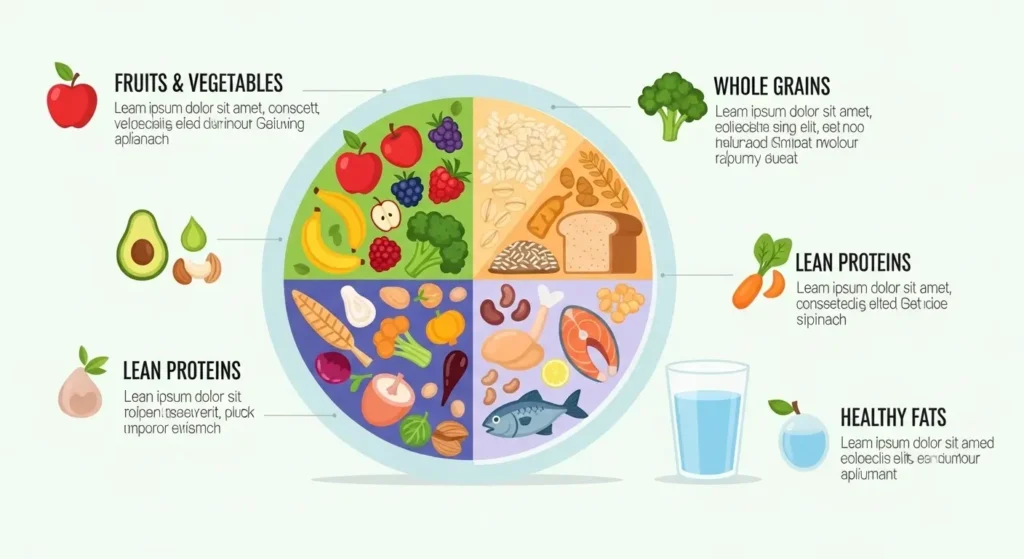
A Balanced Diet is a way of eating that provides your body with all essential nutrients in the right proportions to maintain good health and proper body function.
These nutrients include:
- Carbohydrates
- Proteins
- Fats
- Vitamins
- Minerals
- Fiber
- Water
In simple words, a balanced diet means eating different types of healthy foods in the correct quantity — not too much and not too little.
Practical Real-Life Example
Think of your body like a car.
- Carbohydrates are fuel.
- Proteins are repair tools.
- Fats support engine function.
- Vitamins and minerals are maintenance oils.
If any one part is missing, the car cannot run smoothly. The same happens with your body.
3. How It Works – The Process Behind a Balanced Diet
A balanced diet works by providing energy, building tissues, and protecting the body from diseases.
Step-by-Step Explanation
- Energy Production
- Carbohydrates break down into glucose.
- Glucose provides energy for daily activities.
- Body Building and Repair
- Proteins repair muscles and tissues.
- They help in growth and healing.
- Hormone and Organ Function
- Healthy fats support hormone production.
- They protect organs and help absorb vitamins.
- Disease Protection
- Vitamins and minerals strengthen the immune system.
- Fiber improves digestion.
If you lack essential nutrients, your body shows balanced diet symptoms such as weakness, hair fall, poor concentration, and frequent illness.
4. Types / Classification of Balanced Diet
Standard Balanced Diet
This is suitable for most healthy adults.
It includes fruits, vegetables, grains, protein sources, dairy, and healthy fats in moderate amounts.
Therapeutic Balanced Diet
This diet is adjusted for medical conditions such as diabetes, heart disease, or obesity.
It focuses on specific nutrient control.
Age-Specific Balanced Diet
Nutritional needs change with age:
- Children need more protein and calcium.
- Adults need controlled calories.
- Elderly need easy-to-digest foods and more fiber.
5. Main Components of a Balanced Diet
1. Carbohydrates
- Main source of energy.
- Found in rice, wheat, fruits, vegetables.
2. Proteins
- Build muscles and repair tissues.
- Found in eggs, fish, chicken, beans, lentils.
3. Fats
- Support brain and hormone health.
- Healthy fats include nuts, seeds, olive oil.
4. Vitamins
- Boost immunity.
- Support skin, bones, and eyes.
5. Minerals
- Calcium for bones.
- Iron for blood.
- Zinc for immunity.
6. Fiber
- Improves digestion.
- Prevents constipation.
7. Water
- Maintains body temperature.
- Removes waste from the body.
The benefits of proper nutrition become clear when all these components are included daily.
6. Benefits of a Balanced Diet
Following a balanced diet gives many real-world benefits:
- Maintains healthy body weight
- Boosts energy levels
- Strengthens immune system
- Improves digestion
- Reduces risk of heart disease
- Controls blood sugar levels
- Supports mental health
- Improves skin and hair health
Many lifestyle diseases are directly linked to poor eating habits. Understanding balanced diet causes and prevention can reduce long-term health risks.
7. Risks / Side Effects / Limitations
A balanced diet is safe, but imbalance can cause problems.
Risks of Poor Diet
- Obesity
- Diabetes
- High blood pressure
- Heart disease
- Weak immunity
- Nutrient deficiencies
Safety Considerations
- Avoid extreme dieting.
- Do not completely remove food groups.
- Consult a healthcare provider if you have chronic illness.
Balanced diet treatment options for deficiencies include proper meal planning and, if necessary, supplements under medical advice.
8. Applications / Daily Life Uses
At Home
- Plan weekly meals.
- Include vegetables in every meal.
- Reduce processed food.
At Workplace
- Carry home-cooked lunch.
- Avoid excessive sugary snacks.
- Drink enough water.
Modern Lifestyle Relevance
In today’s fast-food culture, balanced eating prevents lifestyle diseases and improves productivity.
9. Comparison Section
Balanced Diet vs Unbalanced Diet
| Feature | Balanced Diet | Unbalanced Diet |
|---|---|---|
| Nutrient Intake | Complete and varied | Limited or excessive |
| Energy Level | Stable | Fluctuating |
| Disease Risk | Lower | Higher |
| Weight Control | Easier | Difficult |
| Immunity | Strong | Weak |
A balanced diet is not about eating less. It is about eating right.
10. Selection Guide / Prevention Guide
How to Start a Balanced Diet
- Fill half your plate with vegetables.
- Choose whole grains over refined grains.
- Include protein in every meal.
- Limit sugary drinks.
- Drink 8 glasses of water daily.
Prevention Tips
- Avoid skipping meals.
- Control portion size.
- Reduce fried food.
- Read food labels carefully.
Small changes create long-term health improvements.
11. Common Problems & Solutions (FAQs Style)
Q1: What are balanced diet symptoms of deficiency?
Weakness, hair fall, fatigue, poor immunity, and frequent infections.
Q2: Can I follow a balanced diet on a budget?
Yes. Use seasonal fruits, lentils, eggs, and local vegetables.
Q3: Is a balanced diet helpful for weight loss?
Yes. It prevents overeating and improves metabolism.
Q4: Do I need supplements?
Only if a doctor recommends them after testing.
Q5: What are balanced diet treatment options for obesity?
Healthy eating combined with exercise and lifestyle change.
12. Future Trends
Modern research shows increasing awareness about:
- Personalized nutrition based on genetics
- Plant-based diets
- Gut health improvement
- Digital diet tracking apps
- Functional foods with added nutrients
In the future, diet plans may be customized using technology and health data. However, the basic concept of a balanced diet will remain essential.
13. Conclusion
Understanding What is a Balanced Diet? is the first step toward better health. It is not about strict dieting or avoiding your favorite foods. It is about balance, variety, and moderation.
A balanced diet provides energy, strengthens immunity, supports mental clarity, and reduces disease risk. Small daily improvements — like adding more vegetables, drinking enough water, and limiting processed food — can create powerful long-term results.
Your body is your lifelong partner. Treat it well with proper nutrition. Start today, make simple changes, and enjoy a healthier, more active life.