
Have you ever joined a gym with excitement, only to lose motivation after a few weeks? You are not alone. Many people start their fitness journey with big goals, such as losing weight, building muscle, or improving overall health. However, staying motivated can be one of the biggest challenges in fitness.
In today’s fast-paced world, people spend long hours sitting at desks, using smartphones, and dealing with daily stress. Regular exercise has become more important than ever for maintaining physical and mental health. The gym provides a structured environment where people can improve their strength, endurance, flexibility, and confidence. Yet, success in fitness is not only about workouts—it is also about consistency, discipline, and motivation.
Gym culture has evolved significantly in the United States over the past several decades. What was once mainly associated with bodybuilding has now become a lifestyle focused on health, wellness, athletic performance, and longevity. In this guide, you will learn practical gym motivation tips, fitness fundamentals, workout strategies, nutrition advice, recovery methods, and proven techniques that can help you stay committed to your goals for the long term.
What Is Fitness and Why Does It Matter?
Fitness is the ability of your body to perform daily activities efficiently while maintaining good health and energy levels.
Being fit means more than looking good. It involves:
- Strong muscles
- Healthy heart function
- Good flexibility
- Proper endurance
- Mental well-being
Regular exercise helps reduce the risk of many health conditions while improving quality of life.
Why Modern Fitness Is Important
Modern lifestyles often involve:
- Long periods of sitting
- Limited physical activity
- Increased stress
- Poor sleep habits
Fitness helps counter these challenges by improving both physical and mental health.
Why Motivation Is the Key to Fitness Success
Many people believe results come from intense workouts. In reality, results come from consistency.
A simple workout routine followed consistently for months is often more effective than a perfect routine followed for only a few weeks.
Common Reasons People Lose Motivation
- Unrealistic expectations
- Lack of clear goals
- Busy schedules
- Slow progress
- Comparing themselves to others
Understanding these obstacles helps you overcome them.
Best Gym Motivation Tips for Long-Term Success
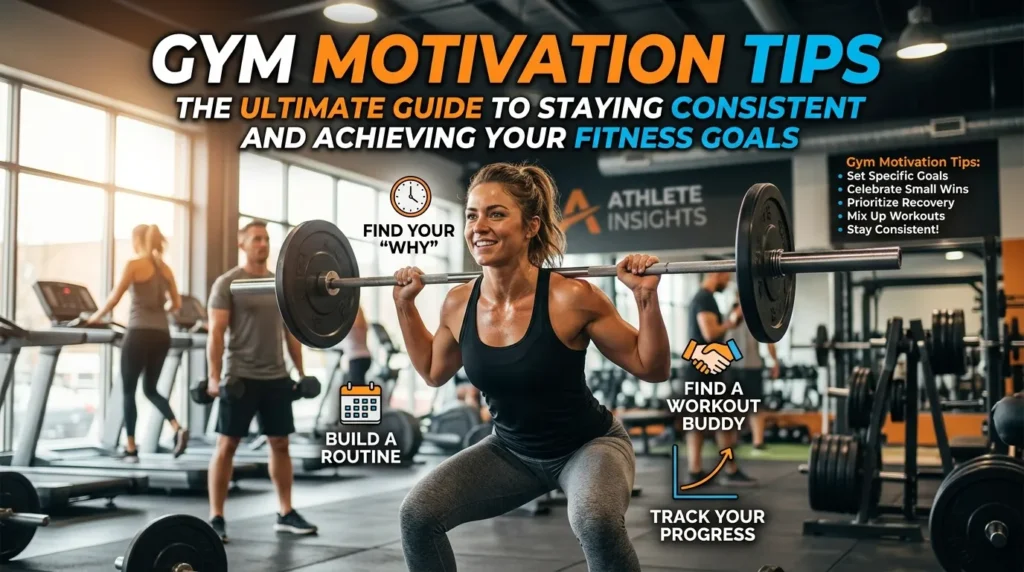
Set Clear and Realistic Goals
Goals give your workouts direction.
Instead of saying:
“I want to get fit.”
Try:
“I want to lose 15 pounds in six months.”
Specific goals are easier to track and achieve.
Focus on Progress, Not Perfection
Fitness is a journey.
Some days will be better than others. Focus on small improvements rather than trying to be perfect.
Create a Workout Schedule
Treat workouts like important appointments.
Schedule gym sessions in advance and make them part of your daily routine.
Track Your Progress
Keep a fitness journal or use an app.
Track:
- Body weight
- Strength improvements
- Workout consistency
- Energy levels
Seeing progress increases motivation.
Find a Workout Partner
Training with a friend creates accountability.
People are less likely to skip workouts when someone is expecting them.
Celebrate Small Wins
Success is not only reaching your final goal.
Celebrate:
- Completing your first month
- Lifting heavier weights
- Running longer distances
- Losing your first few pounds
Small victories build momentum.
Remember Your “Why”
Always remind yourself why you started.
Your motivation may include:
- Better health
- Increased confidence
- More energy
- Improved appearance
- Long-term wellness
Understanding Different Workout Styles
Choosing the right workout style helps maintain interest and motivation.
Strength Training
Strength training focuses on building muscle and increasing strength.
Common exercises include:
- Squats
- Deadlifts
- Bench presses
- Rows
Benefits:
- Muscle growth
- Stronger bones
- Higher metabolism
Cardio Workouts
Cardio improves heart health and endurance.
Popular cardio exercises:
- Walking
- Running
- Cycling
- Swimming
Benefits:
- Improved cardiovascular health
- Increased calorie burn
- Better stamina
HIIT Training
High-Intensity Interval Training alternates short bursts of intense effort with brief recovery periods.
Benefits:
- Efficient calorie burning
- Improved fitness levels
- Short workout duration
Weightlifting
Weightlifting focuses on progressive resistance.
Benefits include:
- Muscle development
- Increased strength
- Improved athletic performance
Functional Training
Functional exercises improve movement patterns used in daily life.
Examples:
- Lunges
- Kettlebell exercises
- Medicine ball movements
Flexibility Training
Flexibility exercises improve range of motion.
Examples:
- Stretching
- Yoga
- Mobility drills
Bodyweight Workouts
No equipment is required.
Examples:
- Push-ups
- Squats
- Planks
- Pull-ups
Fat-Loss Workouts
A combination of:
- Strength training
- Cardio
- Proper nutrition
is often the most effective approach.
Physical Benefits of Regular Gym Training
Weight Loss Support
Exercise helps create a calorie deficit that supports fat loss.
Muscle Growth
Resistance training stimulates muscle development.
Improved Heart Health
Regular workouts strengthen the cardiovascular system.
Better Endurance
Consistent exercise improves stamina and energy levels.
Enhanced Flexibility
Stretching and mobility work help improve movement quality.
Stronger Bones and Joints
Weight-bearing exercises support bone health.
Mental Benefits of Fitness
Physical health and mental health are closely connected.
Stress Reduction
Exercise helps lower stress levels and improve mood.
Better Sleep Quality
Active individuals often experience deeper and more restful sleep.
Increased Confidence
Fitness progress often improves self-esteem.
Improved Focus
Exercise supports brain function and mental clarity.
Emotional Well-Being
Regular activity contributes to overall happiness and wellness.
How Beginners Should Start Gym Training
Starting correctly can prevent injuries and increase long-term success.
Begin with Simple Workouts
Focus on basic exercises before advanced techniques.
Learn Proper Form
Good technique improves results and reduces injury risk.
Avoid Doing Too Much
Many beginners train too hard too soon.
Gradual progress is more sustainable.
Start with Three Days Per Week
A simple schedule:
- Monday
- Wednesday
- Friday
is often enough for beginners.
Creating an Effective Workout Routine
Beginner Full-Body Routine
Day 1
- Squats
- Push-ups
- Rows
- Plank
Day 2
- Lunges
- Dumbbell Press
- Lat Pulldown
- Bicycle Crunches
Day 3
- Deadlifts
- Shoulder Press
- Seated Row
- Leg Raises
This structure trains all major muscle groups.
Common Gym Equipment and Their Uses
Understanding gym equipment helps beginners feel more confident.
Dumbbells
Used for:
- Strength training
- Muscle building
- Functional exercises
Barbells
Ideal for:
- Squats
- Bench presses
- Deadlifts
Treadmills
Used for:
- Walking
- Running
- Cardio workouts
Resistance Machines
Provide controlled movement patterns.
Good for beginners learning proper technique.
Cable Machines
Offer versatile resistance exercises.
Useful for:
- Upper body training
- Core exercises
- Functional movements
Exercise Bikes
Provide low-impact cardiovascular exercise.
Rowing Machines
Train both upper and lower body while improving endurance.
Smith Machines
Assist with controlled strength exercises.
Nutrition for Fitness Success
Training and nutrition work together.
Healthy Eating Habits
Focus on:
- Lean proteins
- Whole grains
- Fruits
- Vegetables
- Healthy fats
Importance of Hydration
Water supports:
- Muscle function
- Recovery
- Performance
Protein Intake
Protein helps:
- Build muscle
- Repair tissue
- Improve recovery
Common sources:
- Chicken
- Fish
- Eggs
- Greek yogurt
- Beans
Pre-Workout Meals
Eat balanced meals containing:
- Protein
- Complex carbohydrates
about one to three hours before training.
Post-Workout Meals
Focus on:
- Protein
- Carbohydrates
to support recovery.
Recovery and Rest Days
Many people underestimate recovery.
Why Recovery Matters
Muscles grow during recovery, not during workouts.
Importance of Sleep
Most adults need seven to nine hours of quality sleep.
Benefits include:
- Better recovery
- Improved performance
- Hormone regulation
Active Recovery
Examples include:
- Walking
- Stretching
- Light cycling
Managing Soreness
Strategies:
- Hydration
- Mobility work
- Proper sleep
- Balanced nutrition
Common Fitness Challenges and Solutions
“I Don’t Have Time”
Solution:
Short 30-minute workouts can be highly effective.
“I’m Not Seeing Results”
Solution:
Track progress consistently and stay patient.
“I Keep Skipping Workouts”
Solution:
Schedule workouts and create accountability.
“I Feel Intimidated at the Gym”
Solution:
Remember everyone started as a beginner.
Focus on your own progress.
Future Trends in Fitness
The fitness industry continues to evolve.
Smart Fitness Technology
Wearable devices help track:
- Steps
- Heart rate
- Recovery
Hybrid Training Programs
Many people combine:
- Strength training
- Cardio
- Yoga
- Mobility work
Personalized Fitness Plans
Technology allows more customized workout programs.
Online Coaching
Virtual fitness coaching continues to grow in popularity.
Conclusion
Staying motivated at the gym is not about feeling excited every day. It is about building habits that support long-term success. By setting realistic goals, tracking progress, following a structured workout plan, eating nutritious foods, and prioritizing recovery, anyone can achieve meaningful fitness results. Whether your goal is weight loss, muscle gain, better health, or increased confidence, consistency remains the most important factor. Remember that every workout is a step toward a healthier future. Focus on progress rather than perfection, celebrate small victories, and stay committed to your journey. With the right mindset and practical gym motivation tips, lasting fitness success is within reach.