
Have you ever looked in the mirror and wished you could build more muscle, gain healthy weight, and develop a stronger physique? If you are naturally skinny, you are not alone. Thousands of men across the United States struggle with gaining muscle mass despite eating regularly and staying active. While some people focus on losing weight, many skinny guys face the opposite challenge—adding quality muscle and increasing body weight in a healthy way.
Modern fitness culture has transformed dramatically over the past few decades. Today, gyms are not only places for bodybuilders but also centers for health, strength, confidence, and personal growth. Whether you are a college student, working professional, athlete, or complete beginner, the right gym workout plan can help you achieve impressive results.
The good news is that being skinny does not mean you cannot build muscle. With proper strength training, smart nutrition, quality recovery, and consistent effort, your body can gradually become stronger, bigger, and healthier. This guide explains everything you need to know about the best gym workout for skinny guys, including workout styles, muscle-building routines, nutrition strategies, recovery methods, gym equipment, and practical tips that can help you gain muscle efficiently.
Understanding Fitness and Why It Matters
Fitness is the ability to perform physical activities efficiently while maintaining good health, strength, endurance, flexibility, and mobility.
Being fit is about more than appearance. It improves:
- Physical health
- Mental well-being
- Energy levels
- Confidence
- Long-term quality of life
For skinny individuals, fitness often focuses on building muscle, increasing strength, and improving overall body composition.
Why Regular Exercise Is Important
Regular exercise helps:
- Build muscle mass
- Improve heart health
- Increase stamina
- Strengthen bones
- Enhance mobility
- Reduce stress
Consistent training creates a stronger and healthier body over time.
Why Skinny Guys Should Focus on Strength Training
Many beginners believe they need endless cardio to get fit. However, skinny individuals often benefit more from resistance training and muscle-building workouts.
Benefits of Muscle Building
Building muscle can help:
- Increase body weight
- Improve posture
- Boost confidence
- Improve athletic performance
- Support long-term health
Strength training is the foundation of an effective gym workout for skinny guys.Understanding Different Workout Styles
Not all workouts produce the same results. Every workout style has its own purpose, benefits, and training methods. Some exercises are designed to build muscle and increase strength, while others improve heart health, endurance, or overall fitness. For skinny individuals trying to gain muscle and body weight, understanding these differences is very important. Choosing the right combination of workouts helps maximize muscle growth while avoiding unnecessary fatigue or calorie loss. A balanced approach allows you to improve both physical appearance and overall health.
Strength Training
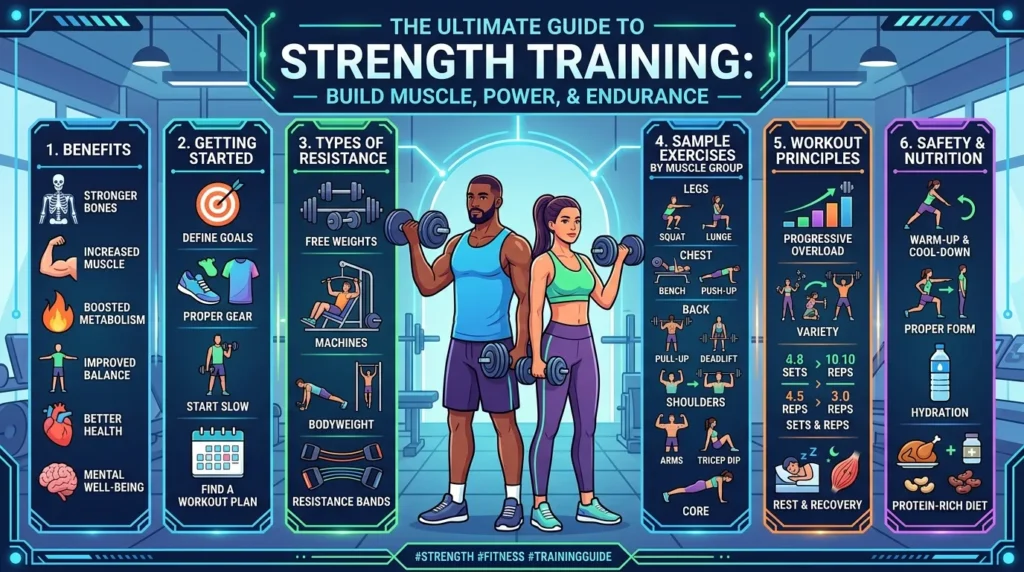
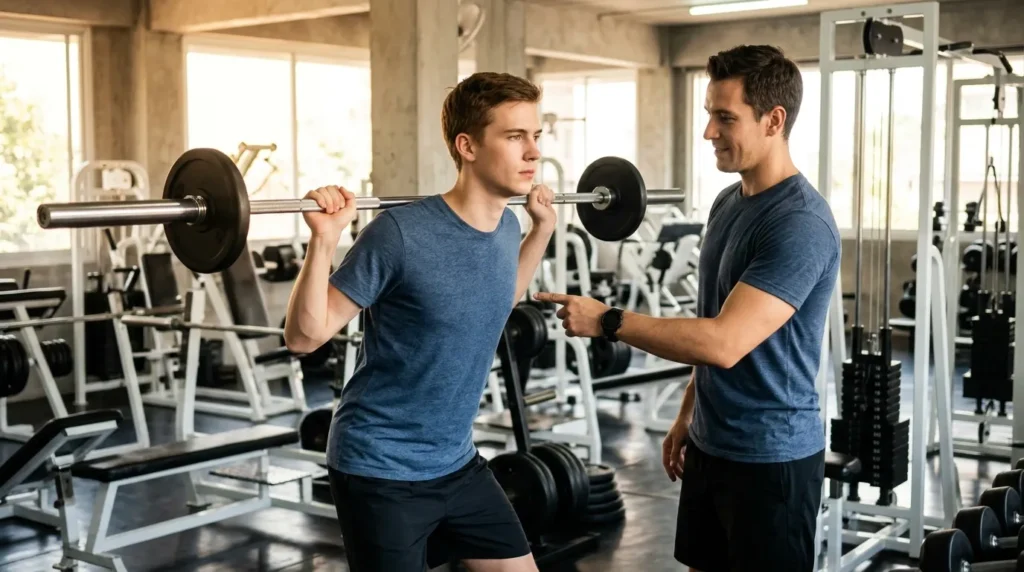
Strength training focuses on using resistance to stimulate muscle growth and increase physical strength. It is considered one of the most effective training methods for skinny guys who want to build muscle mass and develop a stronger physique. During strength training, muscles are challenged through controlled resistance, causing tiny muscle fibers to break down and rebuild stronger during recovery.
This style of training should be the foundation of a muscle-gain program because it encourages progressive overload, which means gradually increasing the difficulty of exercises over time. Consistency with strength training, combined with proper nutrition and adequate rest, leads to noticeable improvements in size and strength.
Examples of Strength Training Exercises
- Squats
- Bench presses
- Deadlifts
- Barbell rows
- Shoulder presses
- Pull-ups
- Lunges
- Dumbbell presses
Benefits of Strength Training
- Builds lean muscle mass.
- Increases overall body strength.
- Improves bone density.
- Enhances posture and stability.
- Boosts metabolism.
- Supports healthy weight gain.
For skinny individuals, strength training should be the primary focus because it provides the strongest stimulus for muscle development.
Cardio Workouts
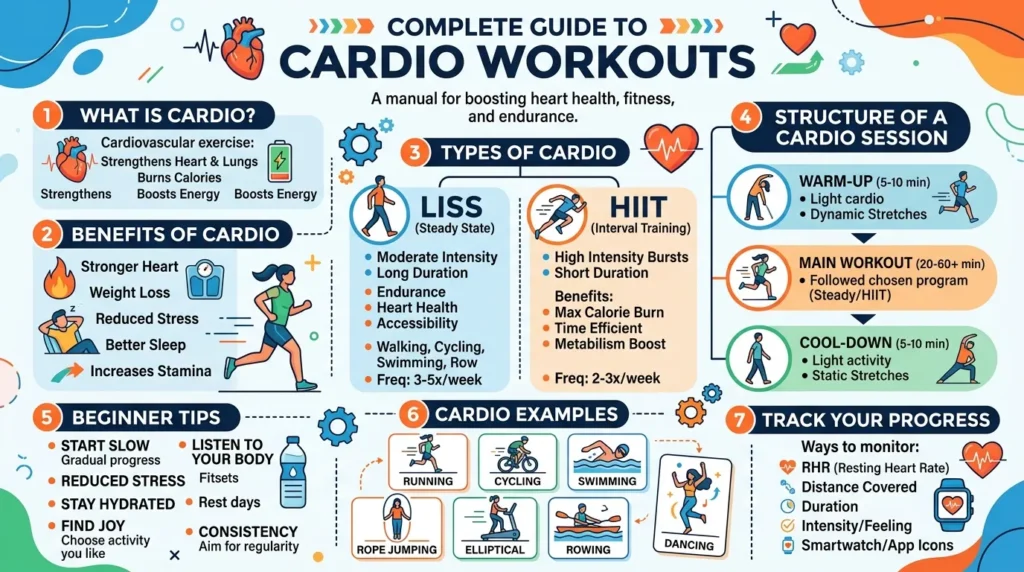
Cardiovascular exercise, commonly called cardio, involves activities that increase heart rate and improve the efficiency of the heart and lungs. Cardio plays an important role in maintaining general health and improving stamina. While it may not directly contribute to muscle gain, moderate amounts of cardio can support recovery, improve circulation, and enhance overall fitness.
However, people trying to gain weight and muscle should avoid excessive cardio because it burns a large number of calories. Too much cardio can create a calorie deficit, making it more difficult to achieve the surplus needed for muscle growth.
Examples of Cardio Exercises
- Walking
- Cycling
- Jogging
- Swimming
- Rowing
- Stair climbing
- Light running
- Elliptical training
Benefits of Cardio Workouts
- Improves cardiovascular health.
- Increases endurance and stamina.
- Supports healthy blood circulation.
- Helps reduce stress.
- Enhances recovery between workouts.
- Improves overall fitness.
Moderate cardio, performed two or three times per week, is usually sufficient for individuals focused on building muscle.
HIIT Training
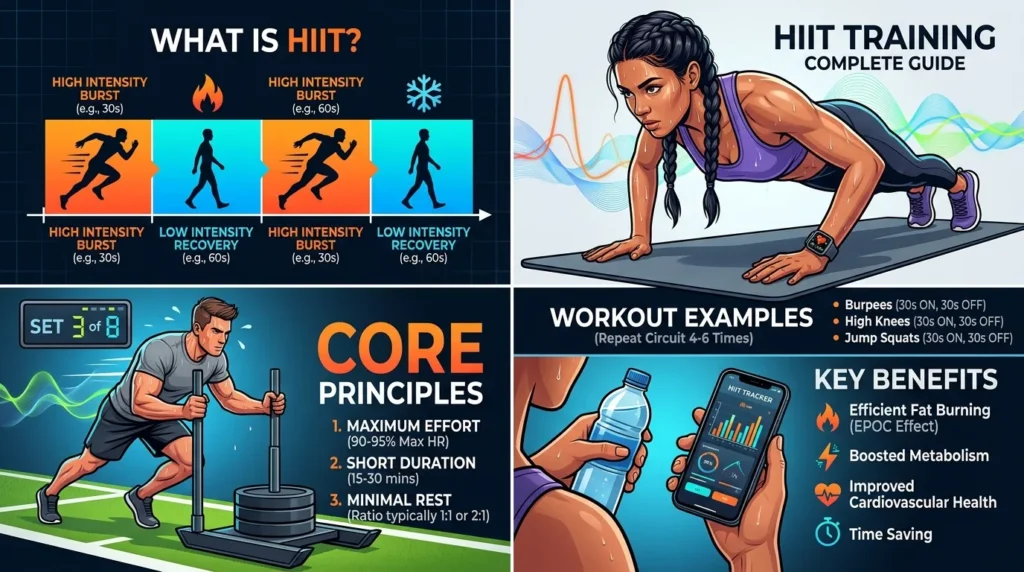
High-Intensity Interval Training (HIIT) combines short periods of intense exercise with brief recovery intervals. A HIIT session typically involves performing an exercise at maximum effort for a specific period, followed by a short rest before repeating the cycle. These workouts are often shorter in duration but highly effective for improving conditioning.
Although HIIT offers many health benefits, individuals aiming to gain muscle should use it in moderation. Excessive HIIT sessions can increase calorie expenditure and interfere with recovery from strength training sessions.
Examples of HIIT Exercises
- Sprint intervals
- Jump squats
- Burpees
- Mountain climbers
- High knees
- Battle rope intervals
- Cycling sprints
- Jumping lunges
Benefits of HIIT Training
- Improves cardiovascular conditioning.
- Enhances endurance and work capacity.
- Saves time due to shorter workouts.
- Supports athletic performance.
- Boosts metabolism temporarily.
- Improves exercise efficiency.
For muscle gain goals, one or two HIIT sessions per week are generally enough to maintain conditioning without negatively affecting progress.
Weightlifting
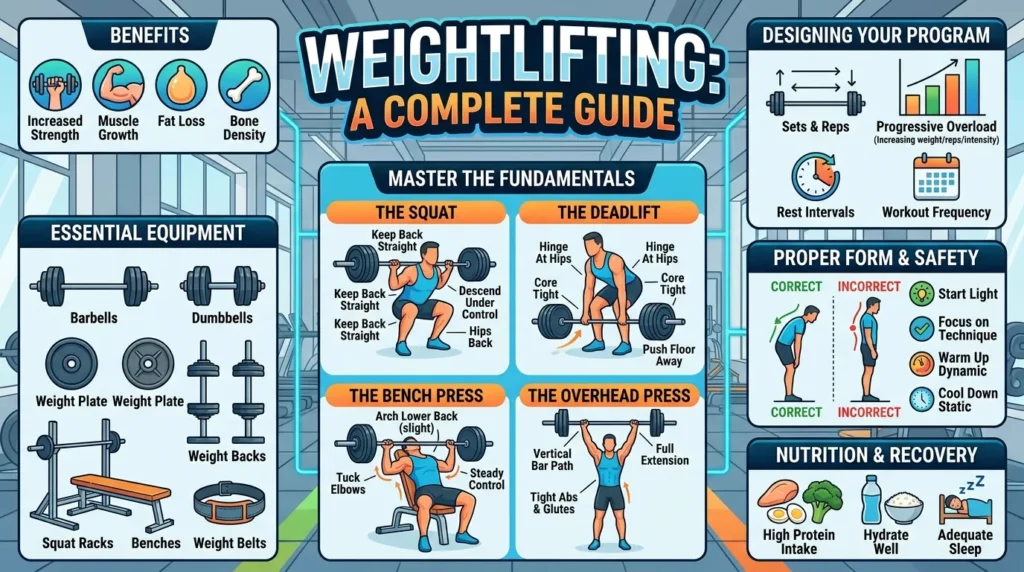
Weightlifting involves training with barbells, dumbbells, machines, or other forms of resistance while progressively increasing the amount of weight lifted over time. It is a structured approach to building strength and muscle size. Progressive overload, proper exercise technique, and consistent effort are key principles of effective weightlifting.
Weightlifting not only improves muscular development but also enhances body composition by increasing lean muscle mass. As muscles become stronger, everyday activities become easier, and overall physical confidence improves.
Benefits of Weightlifting
- Promotes muscle growth.
- Increases strength levels.
- Improves body composition.
- Enhances athletic performance.
- Builds confidence and discipline.
- Strengthens joints and connective tissues.
- Improves functional movement.
- Supports long-term health.
Weightlifting is especially valuable for skinny individuals because it creates the mechanical tension necessary for significant muscle development and healthy weight gain.
Every workout style offers unique benefits and serves a different purpose. Strength training and weightlifting should form the core of a muscle-building routine because they directly stimulate muscle growth and strength gains. Cardio workouts help maintain heart health and improve endurance when performed in moderation. HIIT training enhances conditioning and fitness but should be limited to avoid interfering with recovery and calorie intake. By understanding these workout styles and using them wisely, skinny individuals can build muscle effectively while improving overall fitness and health.
Functional Training
Functional exercises improve real-life movement patterns.
Examples:
- Farmer’s carries
- Kettlebell exercises
- Lunges
Flexibility Exercises
Stretching and mobility work improve movement quality and reduce stiffness.
Bodyweight Workouts
Bodyweight exercises remain valuable for beginners.
Examples:
- Push-ups
- Pull-ups
- Dips
- Planks
How Muscle Growth Happens
Muscles grow when they are challenged by resistance and then given time to recover.
Three key factors drive muscle growth:
- Progressive overload
- Proper nutrition
- Adequate recovery
When these factors work together, muscle gains occur over time.
Best Gym Workout for Skinny Guys
A beginner-friendly workout plan should focus on compound exercises that train multiple muscle groups.
Day 1: Chest and TricepsHere is the detailed version with each heading expanded slightly and without using an H1 heading.
Day 1: Chest and Triceps
This workout focuses on developing the chest muscles while strengthening the triceps, which assist in most pressing movements. Training these muscle groups together improves upper-body strength and contributes to a broader, more muscular appearance. Proper form and controlled repetitions are essential for maximizing muscle growth and reducing the risk of injury.
Bench Press
The bench press is one of the best compound exercises for building chest strength and size. It also activates the shoulders and triceps, making it highly effective for overall upper-body development.
- 4 sets
- 6–10 repetitions
Incline Dumbbell Press
This exercise targets the upper portion of the chest and helps create a fuller chest appearance. Dumbbells also improve muscle balance and coordination.
- 3 sets
- 8–12 repetitions
Chest Flyes
Chest flyes isolate the chest muscles and improve muscle definition by providing a deep stretch and contraction during each repetition.
- 3 sets
- 10–12 repetitions
Triceps Pushdowns
Triceps pushdowns effectively strengthen the back of the upper arms and improve pressing performance in exercises such as the bench press.
- 3 sets
- 10–12 repetitions
Dips
Dips are excellent bodyweight exercises that challenge both the chest and triceps. Perform as many quality repetitions as possible.
- 3 sets
- Maximum repetitions
Day 2: Back and Biceps
This training session focuses on developing the muscles of the back and arms. A strong back improves posture, enhances pulling strength, and contributes to a balanced physique.
Deadlifts
Deadlifts are among the most powerful full-body exercises. They strengthen the lower back, glutes, hamstrings, and core while building overall strength.
- 4 sets
- 5–8 repetitions
Pull-Ups
Pull-ups develop upper back width and improve arm strength. Beginners can use assisted variations if necessary.
- 3 sets
Barbell Rows
Barbell rows target the middle back and help improve posture, pulling power, and muscular thickness.
- 3 sets
- 8–10 repetitions
Lat Pulldowns
Lat pulldowns isolate the latissimus dorsi muscles and are a great alternative for those unable to perform multiple pull-ups.
- 3 sets
- 10–12 repetitions
Dumbbell Curls
Dumbbell curls strengthen and build the biceps while improving arm symmetry.
- 3 sets
- 10–12 repetitions
Day 3: Rest or Light Activity
Recovery is essential because muscles grow during rest rather than during workouts. Light activities help improve blood circulation and reduce stiffness.
Activities may include:
- Walking
- Stretching
- Mobility work
Day 4: Legs
Leg training builds strength, supports athletic performance, and stimulates overall muscle growth. Strong legs also improve balance and functional movement.
Squats
Squats are one of the best exercises for developing the lower body. They target the quadriceps, hamstrings, glutes, and core.
- 4 sets
- 6–10 repetitions
Leg Press
The leg press allows you to train the legs safely while focusing on muscle development.
- 3 sets
- 10 repetitions
Lunges
Lunges improve balance, coordination, and lower-body strength while working each leg individually.
- 3 sets
- 12 repetitions
Leg Curls
Leg curls isolate the hamstrings and help strengthen the back of the thighs.
- 3 sets
Calf Raises
Calf raises develop the calf muscles and improve ankle stability.
- 4 sets
Day 5: Shoulders and Core
This workout improves shoulder width, upper-body aesthetics, and core stability. Strong shoulders support many daily and athletic movements.
Overhead Press
The overhead press strengthens the shoulders, triceps, and upper chest while improving pressing power.
- 4 sets
Dumbbell Lateral Raises
Lateral raises target the side deltoids, helping create broader shoulders.
- 3 sets
Rear Delt Flyes
Rear delt flyes strengthen the rear shoulder muscles and support healthy posture.
- 3 sets
Plank
Planks improve core stability and strengthen the muscles that support the spine.
- 3 rounds
Hanging Leg Raises
This exercise effectively trains the lower abdominal muscles and hip flexors.
- 3 sets
Day 6 and Day 7
These days should be used for recovery, mobility work, or enjoyable recreational activities. Adequate recovery helps muscles repair and grow stronger.
Importance of Progressive Overload
Progressive overload means gradually increasing the demands placed on your muscles over time. Without progression, muscle growth eventually slows down because the body adapts to the existing workload. Small improvements made consistently lead to significant long-term results.
Methods include:
- Adding weight
- Increasing repetitions
- Adding sets
- Improving exercise quality
Physical Benefits of Gym Training
Regular gym training provides numerous physical benefits beyond improving appearance. It enhances overall health and daily function.
Muscle Gain
Resistance training stimulates muscle growth, helping skinny individuals build a stronger and fuller physique.
Increased Strength
Improved strength makes everyday tasks easier and enhances athletic performance.
Better Posture
Stronger muscles support proper spinal alignment and reduce the risk of postural problems.
Improved Heart Health
Regular exercise improves circulation and supports cardiovascular wellness.
Enhanced Stamina
Training increases energy levels and improves endurance during physical activities.
Better Flexibility
Stretching and mobility exercises improve movement quality and reduce stiffness.
Mental Benefits of Fitness
Exercise positively affects mental health and emotional well-being.
Improved Confidence
Gaining strength and muscle often increases self-esteem and body confidence.
Reduced Stress
Physical activity helps reduce stress by releasing feel-good hormones.
Better Focus
Regular exercise can improve concentration and mental clarity.
Enhanced Mood
Workouts often promote positive emotions and reduce feelings of anxiety.
Better Sleep
Consistent training supports deeper and more restful sleep.
Common Gym Equipment and Their Uses
Understanding gym equipment helps beginners train safely and effectively.
Dumbbells
Useful for strength training, muscle building, and isolation exercises that improve muscle balance.
Barbells
Ideal for compound movements such as squats, bench presses, and deadlifts.
Treadmills
Commonly used for walking, jogging, and cardiovascular workouts.
Resistance Machines
Provide guided movement patterns and are beginner-friendly.
Cable Machines
Offer constant resistance and allow a wide variety of exercises.
Exercise Bikes
Useful for low-impact cardio and improving endurance.
Rowing Machines
Train both the upper and lower body while enhancing cardiovascular fitness.
Smith Machines
Provide guided movement and additional support during selected exercises.
Nutrition for Skinny Guys
Training alone will not build muscle. Nutrition provides the energy and nutrients required for growth and recovery.
Eat More Calories Than You Burn
To gain weight and muscle, you must consistently consume more calories than your body uses. Focus on nutritious foods rather than processed junk foods.
Prioritize Protein
Protein repairs and builds muscle tissue after training sessions.
Good sources include:
- Chicken
- Turkey
- Fish
- Eggs
- Greek yogurt
- Lean beef
Healthy Carbohydrates
Carbohydrates fuel workouts and replenish energy stores.
Examples:
- Rice
- Oatmeal
- Potatoes
- Whole grains
- Fruits
Healthy Fats
Healthy fats support hormone production and overall health.
Examples:
- Nuts
- Avocados
- Olive oil
- Peanut butter
Pre-Workout Nutrition
Eating before training provides energy and improves performance. A balanced meal consumed one to three hours before exercise helps maximize results.
Examples include:
- Oatmeal
- Banana
- Protein source
Post-Workout Nutrition
Post-workout meals support muscle recovery and replenish energy stores. Combining protein with carbohydrates is highly effective.
Examples:
- Chicken and rice
- Protein shake with fruit
- Turkey sandwich
Hydration for Muscle Growth
Water is essential for muscle function, nutrient transport, recovery, and exercise performance. Staying hydrated throughout the day helps optimize results.
Recovery and Rest Days
Muscles grow and repair during recovery periods. Rest is just as important as training.
Importance of Sleep
Most adults require seven to nine hours of quality sleep each night to support muscle repair, hormone balance, and energy production.
Active Recovery
Examples include:
- Walking
- Stretching
- Yoga
Avoid Overtraining
Excessive training without proper recovery may increase injury risk and slow muscle growth.
Common Mistakes Skinny Guys Make
Avoiding common mistakes can significantly improve progress.
Doing Too Much Cardio
Excessive cardio burns calories needed for muscle gain.
Not Eating Enough
Many skinny individuals underestimate their calorie requirements.
Skipping Leg Day
Leg training promotes balanced development and overall growth.
Changing Programs Too Often
Consistency produces better results than constantly switching routines.
Ignoring Recovery
Recovery is necessary for muscle repair and long-term progress.
Beginner Tips for Long-Term Success
Building muscle is a gradual process that requires patience and commitment.
Set Realistic Goals
Focus on steady improvements rather than rapid transformations.
Track Workouts
Record:
- Weights used
- Sets completed
- Body measurements
Be Patient
Muscle growth takes time and persistence.
Stay Consistent
Regular effort leads to lasting results.
Enjoy the Process
Celebrate small victories and enjoy becoming stronger each week.
Future Trends in Muscle Building and Fitness
The fitness industry continues to evolve through technology and scientific advancements.
Personalized Training Programs
Customized workout plans tailored to individual needs are becoming increasingly popular.
Fitness Tracking Technology
Wearable devices help monitor:
- Activity
- Recovery
- Performance
Smart Gym Equipment
Technology-driven equipment provides feedback and improves workout efficiency.
Holistic Fitness Approaches
Modern fitness increasingly combines:
- Strength training
- Nutrition
- Recovery
- Mental wellness
This balanced approach promotes both physical and mental health, helping individuals achieve sustainable long-term success.
Conclusion
The best gym workout for skinny guys focuses on building strength, increasing muscle mass, and creating healthy long-term habits. By combining progressive strength training, proper nutrition, adequate hydration, quality sleep, and consistent recovery, even naturally skinny individuals can achieve impressive muscle-building results. Focus on compound exercises, eat enough nutritious food, track your progress, and remain patient throughout the process. Fitness is not about overnight transformation. It is about consistent improvement over time. Stay committed to your goals, trust the process, and your hard work will eventually produce noticeable strength, muscle growth, and confidence.