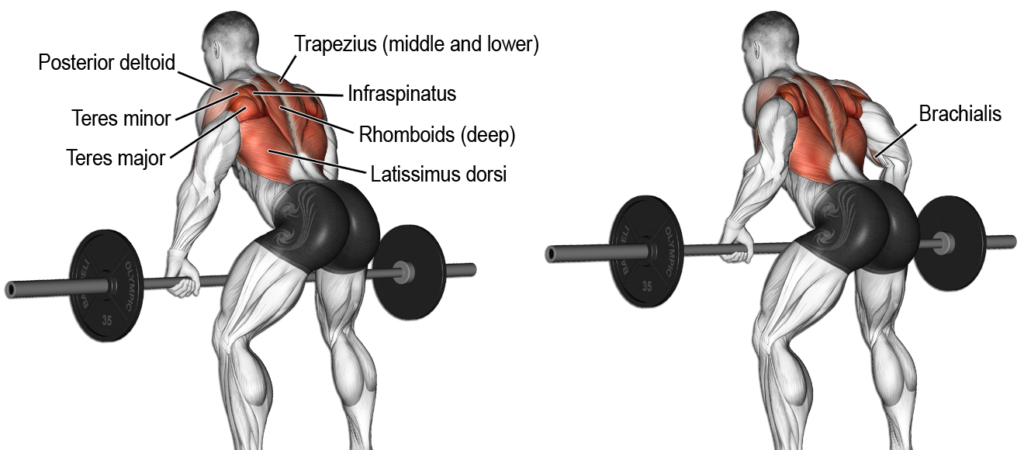

A strong back is the foundation of a healthy body. Whether your goal is building muscle, improving posture, reducing back pain, losing weight, or becoming stronger in the gym, back exercises should be a regular part of your fitness routine. Unfortunately, many beginners focus only on visible muscles like the chest, arms, and shoulders while neglecting their back muscles. This can lead to poor posture, muscle imbalances, and even injuries.
In today’s fast-paced American lifestyle, many people spend hours sitting at desks, driving, or using electronic devices. This sedentary lifestyle often weakens the back muscles and contributes to discomfort and poor posture. Fortunately, the right back exercises can help reverse these issues while improving overall fitness and athletic performance.
Gym culture in the United States has evolved significantly over the past few decades. Modern fitness programs now emphasize balanced strength training, functional fitness, injury prevention, and overall wellness. Strong back muscles play a major role in all of these areas.
This guide will teach you everything you need to know about back exercises for beginners, including the best exercises, workout techniques, gym equipment, nutrition, recovery, safety tips, and motivation strategies to help you build a stronger and healthier back.
Understanding Your Back Muscles
Before starting a workout program, it helps to understand the muscles you are training.
Latissimus Dorsi (Lats)
The lats are the large muscles on the sides of your back. They create the wide “V-shape” many people want.
Trapezius (Traps)
The trapezius muscles run from your neck to your upper back and help support posture and shoulder movement.
Rhomboids
These muscles help pull the shoulder blades together and improve posture.
Lower Back Muscles
The lower back supports the spine and helps with bending, lifting, and stability.
Major Back Muscles
| Muscle Group | Main Function |
|---|---|
| Latissimus Dorsi | Pulling movements |
| Trapezius | Shoulder and neck support |
| Rhomboids | Posture improvement |
| Erector Spinae | Lower back stability |
| Rear Deltoids | Shoulder support |
Why Back Training Is Important
Many beginners underestimate the importance of back exercises.
Physical Benefits
- Improved posture
- Increased upper-body strength
- Better athletic performance
- Reduced risk of injuries
- Improved lifting ability
Mental Benefits
- Increased confidence
- Better body awareness
- Reduced stress
- Improved focus
- Greater motivation
A strong back also helps improve performance in many exercises, including bench presses, squats, deadlifts, and pull-ups.
Fitness Basics for Beginners
What Is Fitness?
Fitness refers to the body’s ability to perform physical activities efficiently while maintaining good health.
Why Exercise Matters
Regular exercise helps:
- Build muscle
- Burn calories
- Improve heart health
- Increase energy levels
- Improve mental well-being
The Importance of Consistency
One workout will not change your body. Consistent effort over weeks and months produces lasting results.
Best Back Exercises for Beginners
These beginner-friendly exercises help develop strength safely and effectively.
Lat Pulldown
The lat pulldown is one of the best beginner exercises for building a wider back.
How to Perform
- Sit at the machine.
- Grab the bar with a wide grip.
- Pull the bar toward your upper chest.
- Slowly return to the starting position.
Seated Cable Row
This exercise targets the middle back and improves posture.
Benefits
- Easy to learn
- Builds overall back strength
- Improves muscle control
Dumbbell Row
The dumbbell row strengthens each side of the back individually.
Proper Technique
- Keep your back flat.
- Pull the dumbbell toward your hip.
- Lower slowly.
Assisted Pull-Up
Pull-ups are excellent for back development, but beginners may need assistance.
Face Pulls
Face pulls strengthen the upper back and rear shoulders.
Back Extension
Back extensions target the lower back muscles and improve spinal support.
Beginner Back Workout Routine
Simple Back Workout
| Exercise | Sets | Reps |
|---|---|---|
| Lat Pulldown | 3 | 10-12 |
| Seated Cable Row | 3 | 10-12 |
| Dumbbell Row | 3 | 10 |
| Face Pulls | 3 | 12-15 |
| Back Extensions | 3 | 15 |
Perform this workout 1–2 times per week for steady progress.
Different Workout Styles That Support Back Development
Strength Training
Strength training uses resistance to build muscle and increase strength.
Cardio Training
Cardio improves endurance and overall health.
Popular options include:
- Walking
- Running
- Cycling
- Rowing
HIIT Workouts
High-Intensity Interval Training combines short periods of intense activity with recovery periods.
Functional Training
Functional training focuses on real-life movement patterns.
Flexibility Exercises
Stretching improves mobility and reduces injury risk.
Bodyweight Workouts
Examples include:
- Pull-ups
- Inverted rows
- Superman holds
Common Gym Equipment for Back Training
Understanding gym equipment can help beginners feel more comfortable.
Dumbbells
Useful for rows and unilateral exercises.
Barbells
Great for heavy strength-building movements.
Cable Machines
Provide constant muscle tension.
Resistance Machines
Beginner-friendly and easy to use.
Common Equipment and Uses
| Equipment | Main Purpose |
|---|---|
| Dumbbells | Single-arm exercises |
| Barbells | Heavy lifting |
| Cable Machines | Controlled resistance |
| Smith Machine | Guided movements |
| Rowing Machine | Back and cardio training |
| Treadmill | Cardiovascular fitness |
| Exercise Bike | Endurance training |
| Resistance Machines | Beginner workouts |
Nutrition for Back Muscle Growth
Exercise and nutrition work together.
Importance of Protein
Protein helps repair and build muscle tissue.
High-Protein Foods
- Chicken breast
- Turkey
- Eggs
- Fish
- Greek yogurt
- Cottage cheese
- Lean beef
- Protein shakes
Healthy Carbohydrates
Carbohydrates provide workout energy.
Examples include:
- Brown rice
- Oatmeal
- Sweet potatoes
- Whole grains
Hydration
Drinking enough water improves performance and recovery.
Pre-Workout Meals
Eat 1–2 hours before training.
Good options include:
- Oatmeal and fruit
- Chicken and rice
- Greek yogurt and berries
Post-Workout Meals
After training, focus on protein and carbohydrates.
Examples:
- Protein shake and banana
- Chicken with sweet potatoes
- Eggs and toast
Recovery and Muscle Growth
Muscles grow during recovery periods.
Why Recovery Matters
Recovery helps:
- Repair muscle tissue
- Prevent injuries
- Improve performance
- Reduce fatigue
Importance of Sleep
Most adults should aim for 7–9 hours of sleep each night.
Recovery Methods
| Method | Benefit |
|---|---|
| Sleep | Muscle repair |
| Hydration | Better recovery |
| Stretching | Improved mobility |
| Rest Days | Prevent overtraining |
| Proper Nutrition | Faster muscle growth |
Common Beginner Mistakes
Many beginners make mistakes that slow progress.
Using Too Much Weight
Heavy weights often cause poor form.
Skipping Warm-Ups
Cold muscles are more vulnerable to injury.
Poor Exercise Technique
Bad form reduces effectiveness and increases injury risk.
Inconsistent Workouts
Consistency is essential for long-term success.
Common Mistakes Table
| Mistake | Result |
|---|---|
| Poor Form | Higher injury risk |
| Overtraining | Slow recovery |
| No Warm-Up | Increased injuries |
| Poor Diet | Reduced muscle growth |
| Inconsistency | Limited progress |
Gym Safety and Injury Prevention
Safety should always come first.
Warm-Up Routine
Spend 5–10 minutes preparing your body.
Examples include:
- Arm circles
- Light rowing
- Dynamic stretches
Cool-Down Routine
Cooling down helps reduce muscle stiffness.
Examples:
- Walking
- Stretching
- Deep breathing
Injury Prevention Tips
- Use proper form.
- Start with light weights.
- Increase resistance gradually.
- Listen to your body.
- Stay hydrated.
Physical Benefits of Back Training
Better Posture
Strong back muscles help keep your spine aligned.
Increased Strength
Back exercises improve pulling power and overall upper-body strength.
Reduced Back Pain
A stronger back often means fewer aches and pains.
Improved Athletic Performance
Athletes benefit from stronger movement patterns and greater stability.
Mental Benefits of Exercise
Reduced Stress
Exercise releases feel-good chemicals that improve mood.
Better Focus
Physical activity supports concentration and productivity.
Increased Confidence
Seeing progress boosts self-esteem.
Improved Sleep
Regular workouts often lead to deeper, more restful sleep.
Fitness Motivation and Discipline
Set Realistic Goals
Examples include:
- Completing two back workouts weekly
- Improving posture
- Increasing strength gradually
Track Your Progress
Monitor:
- Workout performance
- Strength gains
- Body measurements
Build Healthy Habits
Success comes from consistent daily actions.
Popular Fitness Trends in the USA
Home Workouts
Many people train at home using basic equipment.
Functional Fitness
Focuses on practical movement and injury prevention.
Wearable Technology
Fitness trackers help monitor activity levels.
Online Coaching
Virtual fitness programs continue growing in popularity.
Cross-Training
Combining different workout styles improves overall fitness.
Interesting Fitness Facts
- Your back contains some of the largest muscles in your body.
- Strong back muscles improve posture and confidence.
- Rowing exercises work multiple muscle groups at once.
- Good posture can make you appear taller and more confident.
- Consistent strength training supports healthy aging.
Building a Long-Term Back Training Plan
Weekly Example Schedule
| Day | Workout |
|---|---|
| Monday | Back and Biceps |
| Tuesday | Cardio |
| Wednesday | Legs |
| Thursday | Back and Shoulders |
| Friday | Full Body |
| Saturday | Light Cardio |
| Sunday | Rest |
This schedule provides sufficient recovery while allowing consistent progress.
Conclusion
Back exercises are one of the most important parts of any fitness program. A strong back improves posture, supports daily movement, enhances athletic performance, and helps create a balanced physique. For beginners, focusing on foundational exercises such as lat pulldowns, rows, face pulls, and back extensions can build strength safely while developing proper technique.
Success comes from more than just exercise. Proper nutrition, hydration, recovery, and sleep are equally important for muscle growth and overall health. Avoid common mistakes such as poor form, overtraining, and inconsistent workouts, and focus on gradual improvement over time.
Remember that fitness is a long-term journey. Every workout is a step toward becoming stronger, healthier, and more confident. Stay patient, remain consistent, and trust the process. With dedication and the right approach, you can build a strong, healthy back that supports your fitness goals and improves your quality of life for years to come.