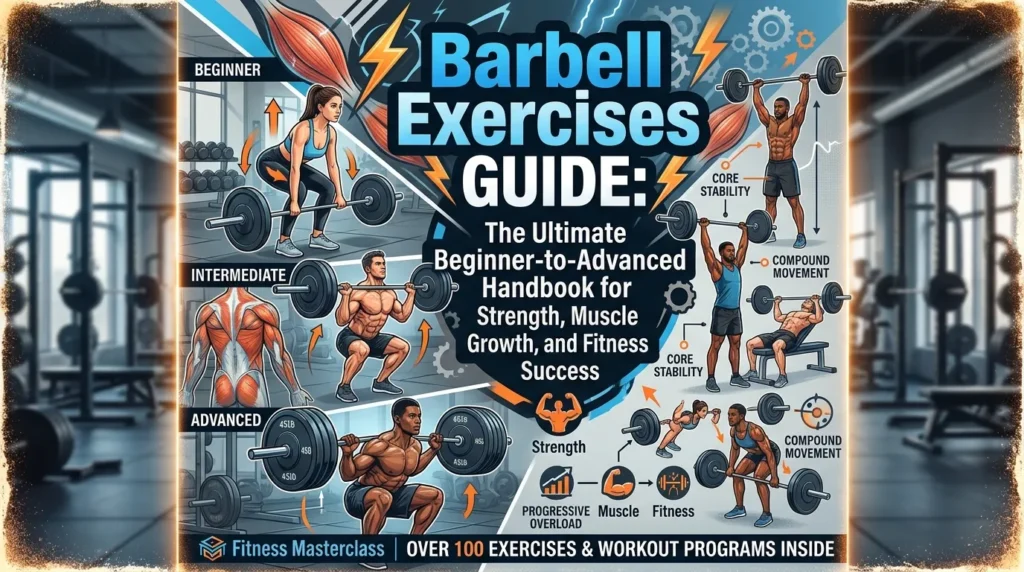

Barbell training is one of the most effective and time-tested methods for building strength, increasing muscle mass, improving athletic performance, and enhancing overall fitness. Whether you are a complete beginner stepping into a gym for the first time or someone looking to take your workouts to the next level, learning how to use a barbell properly can dramatically improve your results.
In today’s busy world, many people struggle with sedentary lifestyles, long work hours, stress, and reduced physical activity. These factors can lead to weight gain, poor posture, low energy levels, and various health concerns. Regular exercise is one of the best ways to combat these challenges, and barbell training offers a highly efficient solution.
The popularity of barbell training in the United States has grown tremendously over the decades. From traditional bodybuilding gyms to modern fitness centers, barbells remain a cornerstone of strength training programs. Professional athletes, powerlifters, bodybuilders, personal trainers, and everyday fitness enthusiasts continue to rely on barbells because they provide unmatched opportunities for strength and muscle development.
This comprehensive Barbell Exercises Guide will explain everything you need to know about barbell training, including its benefits, essential exercises, workout styles, fitness fundamentals, gym equipment, nutrition, recovery, and practical beginner tips for long-term success.
Understanding Fitness and Its Importance
Fitness is more than simply looking good. It refers to the body’s ability to perform daily activities efficiently while maintaining good physical and mental health.
A complete fitness program helps improve:
- Strength
- Endurance
- Flexibility
- Mobility
- Cardiovascular health
- Mental well-being
Regular exercise promotes a healthier lifestyle and improves overall quality of life.
Why Regular Exercise Matters
Exercise provides numerous physical and mental benefits.
Physical Benefits
- Supports weight management
- Improves heart health
- Builds muscle
- Strengthens bones
- Increases energy levels
- Enhances mobility
Mental Benefits
- Reduces stress
- Improves mood
- Enhances focus
- Boosts confidence
- Improves sleep quality
Consistency is one of the most important factors in achieving long-term fitness success.
What Is a Barbell?
A barbell is a long metal bar designed to hold weight plates on both ends. It is one of the most effective tools for resistance training and strength development.
Barbells allow users to lift heavier weights compared to many other gym equipment options. They are commonly used for compound exercises that engage multiple muscle groups simultaneously.
Why Barbell Training Is So Effective
Barbells provide several advantages:
- Efficient strength development
- Progressive overload opportunities
- Full-body muscle engagement
- Improved athletic performance
- Better coordination and balance
- Long-term muscle growth potential
Because barbells support heavy resistance training, they are often considered the foundation of serious strength programs.
History and Evolution of Barbell Training
Barbell training has a rich history dating back centuries. Early strength athletes used primitive weighted bars to demonstrate physical power and endurance.
As fitness culture evolved throughout the 20th century, barbell training became a central component of bodybuilding, Olympic weightlifting, and strength sports. In the United States, gym culture expanded rapidly during the 1970s and 1980s, making barbells a standard feature in commercial fitness centers.
Today, barbells remain one of the most respected and effective tools in modern fitness training.
Benefits of Barbell Exercises
Increased Strength
Barbell exercises allow you to lift heavier loads, making them highly effective for developing total-body strength.
Muscle Growth
Barbell training creates significant muscular tension, which stimulates muscle growth when combined with proper nutrition and recovery.
Improved Athletic Performance
Many sports require strength, power, and coordination. Barbell exercises help improve these qualities.
Fat Loss Support
Strength training burns calories while helping preserve lean muscle mass during weight-loss programs.
Better Posture
Strong muscles help support proper alignment and improve overall posture.
Enhanced Bone Health
Resistance training strengthens bones and may help reduce age-related bone density loss.
Different Types of Fitness Training
Strength Training
Strength training focuses on increasing muscular strength through resistance exercises.
Barbell exercises are among the most effective strength-training methods available.
Cardio Workouts
Cardiovascular training improves heart and lung function.
Examples include:
- Running
- Walking
- Cycling
- Swimming
- Rowing
HIIT Training
High-Intensity Interval Training combines short bursts of intense exercise with recovery periods.
Benefits include:
- Efficient calorie burning
- Improved conditioning
- Enhanced endurance
Weightlifting
Weightlifting involves lifting external resistance to build strength and muscle.
Functional Training
Functional exercises mimic real-life movement patterns.
Examples include:
- Squats
- Carries
- Lunges
- Pushes
Flexibility Training
Stretching exercises improve mobility and range of motion.
Bodyweight Workouts
Bodyweight exercises use your own body as resistance.
Examples include:
- Push-ups
- Pull-ups
- Squats
- Planks
Essential Barbell Exercises Guide
Barbell Back Squat
The squat is often called the king of all exercises.
Muscles Worked
- Quadriceps
- Glutes
- Hamstrings
- Core
Benefits
- Builds lower-body strength
- Improves athletic performance
- Enhances balance and coordination
Barbell Deadlift
The deadlift is one of the most effective full-body exercises.
Muscles Worked
- Hamstrings
- Glutes
- Back
- Core
- Forearms
Benefits
- Builds total-body strength
- Improves posture
- Develops powerful hips and legs
Barbell Bench Press
The bench press is a foundational upper-body exercise.
Muscles Worked
- Chest
- Shoulders
- Triceps
Benefits
- Increases upper-body strength
- Builds muscle mass
- Improves pushing power
Barbell Overhead Press
This exercise develops shoulder strength and stability.
Muscles Worked
- Deltoids
- Triceps
- Core
Barbell Bent-Over Row
Rows help balance pressing exercises and strengthen the back.
Muscles Worked
- Upper back
- Lats
- Biceps
- Rear shoulders
Barbell Romanian Deadlift
This movement targets the posterior chain.
Benefits
- Improves hamstring development
- Strengthens glutes
- Enhances hip mobility
Barbell Hip Thrust
Hip thrusts are excellent for glute development and lower-body power.
Barbell Lunges
Lunges improve balance, coordination, and unilateral strength.
Beginner Barbell Workout Routine
Exercise 1: Barbell Squat
- 3 sets
- 8–10 repetitions
Exercise 2: Bench Press
- 3 sets
- 8–10 repetitions
Exercise 3: Bent-Over Row
- 3 sets
- 10 repetitions
Exercise 4: Overhead Press
- 3 sets
- 8 repetitions
Exercise 5: Romanian Deadlift
- 3 sets
- 10 repetitions
Perform this workout two to three times weekly while focusing on proper technique.
Proper Exercise Form and Safety Tips
Learn Technique First
Master movement patterns before increasing weight.
Use a Spotter When Needed
For heavy exercises such as bench presses and squats, a spotter can improve safety.
Warm Up Properly
A warm-up prepares muscles and joints for exercise.
Focus on Controlled Movements
Avoid rushing through repetitions.
Progress Gradually
Increase resistance slowly to reduce injury risk.
Common Beginner Mistakes
Lifting Too Heavy Too Soon
Many beginners prioritize weight instead of technique.
Skipping Recovery
Recovery is essential for muscle growth and injury prevention.
Inconsistent Training
Consistency produces better results than occasional intense workouts.
Neglecting Mobility
Flexibility and mobility support safe and effective lifting.
Common Gym Equipment and Their Uses
Dumbbells
Dumbbells are versatile free weights used for strength training and muscle development.
Barbells
Barbells allow heavier resistance training and support compound exercises.
Treadmills
Treadmills improve cardiovascular fitness and support weight-loss goals.
Resistance Machines
Machines provide guided movement patterns and are beginner-friendly.
Cable Machines
Cable systems offer constant resistance and exercise variety.
Exercise Bikes
Exercise bikes provide low-impact cardiovascular workouts.
Rowing Machines
Rowers combine cardio and strength training into one workout.
Smith Machines
Smith machines provide additional stability during strength exercises.
Nutrition for Strength and Muscle Growth
Why Nutrition Matters
Exercise creates the stimulus for improvement, but nutrition provides the resources needed for recovery and growth.
Protein Intake
Protein supports muscle repair and development.
Good protein sources include:
- Chicken
- Turkey
- Fish
- Eggs
- Greek yogurt
- Lean beef
Healthy Carbohydrates
Carbohydrates provide energy for training sessions.
Examples include:
- Oatmeal
- Brown rice
- Sweet potatoes
- Fruits
- Whole grains
Healthy Fats
Healthy fats support hormone production and overall wellness.
Examples include:
- Avocados
- Olive oil
- Nuts
- Seeds
Pre-Workout Nutrition
A quality pre-workout meal can improve performance.
Examples include:
- Oatmeal and fruit
- Whole-grain toast with eggs
- Greek yogurt
- Banana with peanut butter
Consume meals approximately one to three hours before training.
Post-Workout Nutrition
Recovery nutrition helps support muscle repair.
Good options include:
- Protein shake and fruit
- Chicken with rice
- Turkey sandwich
- Greek yogurt with berries
Combining protein and carbohydrates can help optimize recovery.
Hydration and Performance
Water plays an essential role in:
- Strength production
- Recovery
- Energy levels
- Temperature regulation
Drink water consistently throughout the day and around workouts.
Recovery and Muscle Growth
Sleep Importance
Most adults should aim for 7–9 hours of quality sleep each night.
Sleep supports:
- Muscle repair
- Hormone balance
- Mental recovery
- Athletic performance
Rest Days
Muscles grow during recovery periods, not during workouts.
Active Recovery
Light activities such as walking, stretching, and mobility exercises can help improve recovery.
Building Long-Term Consistency
The most successful fitness journeys are built on consistency rather than perfection.
Practical strategies include:
- Setting realistic goals
- Tracking workouts
- Following a structured plan
- Prioritizing recovery
- Staying patient
Small improvements performed consistently produce remarkable long-term results.
Conclusion
This Barbell Exercises Guide demonstrates why barbell training remains one of the most effective methods for building strength, muscle mass, athletic performance, and overall fitness. From foundational exercises like squats, deadlifts, bench presses, and rows to proper nutrition, recovery, and workout planning, barbells provide a complete solution for individuals seeking lasting fitness results. By focusing on proper form, consistent training, healthy nutrition, hydration, and adequate recovery, beginners and experienced lifters alike can achieve their goals and build a stronger, healthier body for years to come.