
A strong and well-developed chest is one of the most popular fitness goals for gym beginners and experienced lifters alike. Whether someone wants to build muscle, improve upper-body strength, increase athletic performance, or simply look and feel more confident, chest workouts play a major role in a balanced fitness routine. Across the United States, chest training remains one of the most common and motivating parts of gym culture because it helps improve both physical appearance and overall functional strength.
Modern gym fitness has evolved significantly over the years. In the past, gym training was mostly associated with professional athletes and bodybuilders. Today, millions of Americans visit gyms for weight loss, stress relief, heart health, flexibility, strength training, and general wellness. Social media fitness trends, online workout coaching, wearable fitness technology, and home workout programs have made chest exercises more accessible and popular than ever before.
However, many beginners start chest workouts without understanding proper form, training structure, recovery, or exercise selection. This often leads to slow progress, muscle imbalances, or injuries. The good news is that with the right knowledge and consistent effort, anyone can safely build a stronger chest and improve overall fitness.
This complete guide explains everything about chest workouts at the gym, including the best chest exercises, workout routines, gym equipment, training mistakes, nutrition, recovery, motivation, and injury prevention tips.
Why Chest Workouts Are Important
The chest muscles, mainly known as the pectoral muscles, play a major role in upper-body movement and strength. Chest training supports many everyday pushing movements while improving posture, stability, and athletic performance.
Regular chest workouts can help:
- Increase upper-body strength
- Build muscle mass
- Improve posture
- Support shoulder stability
- Enhance athletic performance
- Improve confidence and body image
Strong chest muscles also assist in many daily activities such as pushing, lifting, carrying, and reaching.
Understanding Fitness and Gym Training Basics
Before focusing on chest exercises, beginners should understand the basics of overall fitness training.
Strength Training
Strength training uses resistance to build muscle and improve physical power. This includes free weights, machines, resistance bands, and bodyweight exercises.
Cardio Workouts
Cardio exercises improve heart health, endurance, and calorie burning. Popular cardio equipment includes treadmills, exercise bikes, and rowing machines.
HIIT Training
High-Intensity Interval Training combines intense exercise bursts with short rest periods. HIIT is popular for fat loss and conditioning.
Functional Training
Functional exercises improve movement quality, balance, coordination, and real-life physical performance.
Flexibility and Mobility Work
Stretching and mobility exercises improve joint movement and reduce stiffness.
Major Benefits of Chest Workouts
Chest training offers both physical and mental health benefits.
Muscle Growth and Strength
Chest exercises stimulate muscle development and improve pushing strength.
Improved Athletic Performance
Sports like football, basketball, baseball, and swimming rely heavily on upper-body power.
Better Posture
Balanced chest training helps improve upper-body posture when combined with back and shoulder exercises.
Increased Confidence
Building upper-body strength often improves self-esteem and body confidence.
Stress Relief and Mental Wellness
Exercise helps reduce stress hormones and improve mood naturally.
Best Chest Workout Exercises at the Gym
Several exercises effectively target the chest muscles from different angles.
Bench Press
The bench press is one of the most popular chest exercises in the world.
Benefits of Bench Press
- Builds overall chest strength
- Targets multiple upper-body muscles
- Supports muscle growth
Proper Bench Press Tips
- Keep feet flat on the floor
- Maintain controlled movement
- Avoid bouncing the bar
- Use proper grip width
Beginners should focus on technique before increasing weight.
Incline Bench Press
Incline pressing targets the upper chest muscles more effectively.
Why Incline Training Matters
Upper chest development helps create a fuller and more balanced chest appearance.
Both barbells and dumbbells work well for incline exercises.
Dumbbell Chest Press
Dumbbells allow a greater range of motion than barbells.
Benefits of Dumbbell Presses
- Improves muscle balance
- Enhances chest activation
- Supports joint-friendly movement
Push-Ups
Push-ups remain one of the best bodyweight chest exercises.
Push-Up Benefits
- Builds chest and arm strength
- Requires no equipment
- Improves core stability
Push-ups are excellent for beginners and advanced athletes alike.
Chest Fly Exercises
Chest fly movements isolate the chest muscles and improve muscle stretching.
Popular Fly Variations
- Dumbbell flys
- Cable flys
- Machine chest flys
Controlled movement is important during fly exercises to protect the shoulders.
Cable Chest Exercises
Cable machines provide constant tension throughout chest movements.
Benefits of Cable Training
- Smooth resistance
- Better muscle control
- Multiple exercise angles
Cable crossover exercises are especially popular for chest shaping and muscle definition.
Decline Chest Exercises
Decline exercises focus more on the lower chest area.
Common Decline Movements
- Decline bench press
- Decline dumbbell press
- Decline push-ups
Common Gym Equipment for Chest Workouts
Understanding gym equipment helps beginners train more safely and confidently.
Dumbbells
Dumbbells improve balance, coordination, and muscle control.
Barbells
Barbells allow heavier lifting for strength and muscle growth.
Smith Machines
Smith machines guide bar movement and help beginners train safely.
Cable Machines
Cable systems support controlled resistance exercises.
Resistance Machines
Chest press machines help beginners learn proper movement patterns.
Benches
Flat, incline, and decline benches allow different chest exercise angles.
Treadmills and Exercise Bikes
Although mainly used for cardio, these machines help improve endurance and fat loss alongside chest training.
Rowing Machines
Rowers improve overall conditioning while strengthening multiple muscle groups.
Beginner Chest Workout Routine
A simple chest workout routine can help beginners build strength safely.
Sample Beginner Chest Workout
- Bench Press: 3 sets of 8–10 reps
- Incline Dumbbell Press: 3 sets of 10 reps
- Push-Ups: 3 sets
- Cable Flys: 3 sets of 12 reps
- Light Cardio: 10–15 minutes
Beginners should train chest one to two times weekly with adequate recovery.
Importance of Proper Exercise Form
Good technique is one of the most important parts of safe training.
Why Proper Form Matters
Correct form helps:
- Prevent injuries
- Improve muscle activation
- Build strength safely
- Reduce joint stress
Common Chest Workout Form Mistakes
Beginners often:
- Lift too much weight
- Use partial range of motion
- Bounce weights
- Rush repetitions
Controlled movement always produces better long-term results.
Nutrition for Muscle Growth and Recovery
Exercise alone cannot maximize results without proper nutrition.
Protein Intake
Protein supports muscle recovery and growth after workouts.
Good protein sources include:
- Chicken
- Fish
- Eggs
- Greek yogurt
- Lean beef
- Protein shakes
Healthy Carbohydrates
Carbohydrates provide energy for workouts.
Examples include:
- Rice
- Oatmeal
- Potatoes
- Fruits
- Whole grains
Healthy Fats
Healthy fats support hormones and overall wellness.
Examples include:
- Nuts
- Avocados
- Olive oil
- Peanut butter
Hydration
Water supports strength, endurance, and recovery. Dehydration can reduce performance significantly.
Pre-Workout and Post-Workout Nutrition
Pre-Workout Meals
Eating balanced meals before training may improve energy levels.
Good pre-workout foods include:
- Bananas
- Oatmeal
- Chicken and rice
- Greek yogurt
Post-Workout Meals
Post-workout nutrition helps repair muscles and restore energy.
Protein and carbohydrates together are especially effective after workouts.
Importance of Recovery and Rest Days
Muscles grow during recovery, not only during workouts.
Signs You Need More Recovery
- Extreme soreness
- Fatigue
- Reduced performance
- Poor sleep
Sleep and Muscle Recovery
Most adults need 7–9 hours of quality sleep each night for proper recovery and hormone balance.
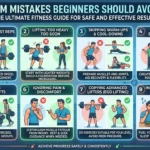
Common Chest Workout Mistakes Beginners Should Avoid
Avoiding mistakes helps improve results and reduce injury risk.
Skipping Warm-Ups
Warm-ups prepare muscles and joints for exercise.
Lifting Too Heavy Too Soon
Heavy weights without proper control increase injury risk.
Overtraining the Chest
Training chest too frequently may slow recovery.
Ignoring Other Muscle Groups
Balanced training prevents muscle imbalances and posture issues.
Poor Nutrition Habits
Muscles need proper fuel for growth and recovery.
Gym Safety and Injury Prevention
Safety should always come first during chest training.
Warm-Up Before Heavy Lifting
Dynamic warm-ups improve blood flow and mobility.
Examples include:
- Arm circles
- Light push-ups
- Resistance band movements
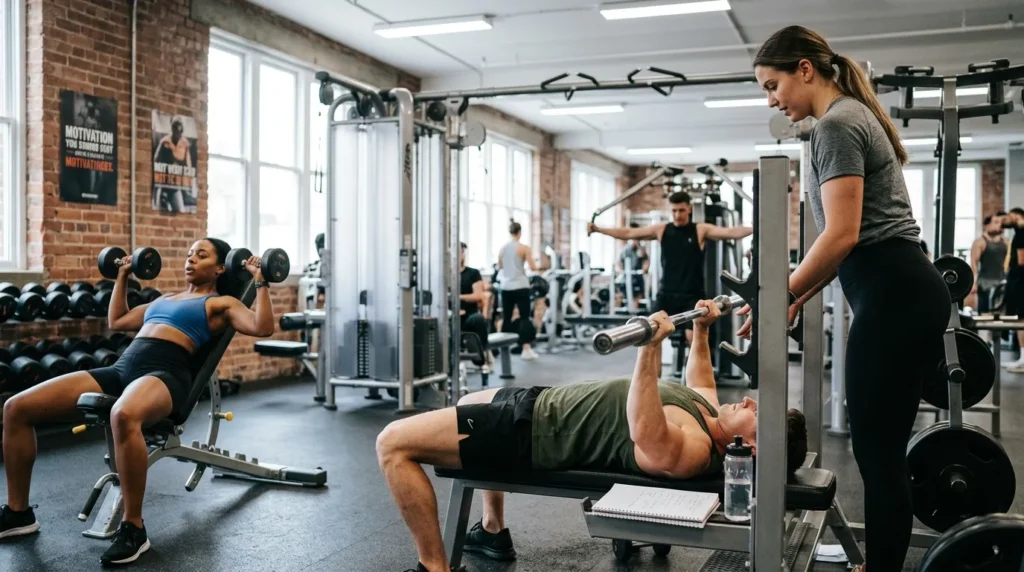
Use Spotters When Necessary
Spotters help improve safety during heavy bench pressing.
Stretch After Workouts
Stretching improves flexibility and reduces stiffness.
Listen to Your Body
Pain should never be ignored. Rest when needed.
Fitness Motivation and Long-Term Consistency
Motivation starts the journey, but discipline keeps it going.
Set Realistic Goals
Examples include:
- Increasing bench press strength
- Building muscle gradually
- Improving workout consistency
Track Progress
Workout journals and fitness apps help monitor improvements.
Build Healthy Habits
Consistent training creates long-term fitness success.
Stay Patient
Visible chest development takes time and regular effort.
Popular Fitness Trends in the USA
American fitness culture continues evolving rapidly.
Home Workouts
Many people combine gym workouts with home chest exercises.
Wearable Fitness Technology
Fitness trackers monitor heart rate, calories, and workout performance.
Online Coaching
Virtual fitness programs and trainers continue growing in popularity.
Functional Fitness
Functional workouts improve strength for real-life movement.
Cross-Training
Cross-training combines cardio, strength, and flexibility work for balanced fitness.
Interesting Fitness Facts
- Push-ups have been used in military fitness programs for decades.
- Chest muscles assist in many daily pushing movements.
- Strength training supports healthy aging and bone density.
- Consistent workouts can improve mental health within weeks.
- Exercise naturally boosts energy and mood.
Conclusion
A well-planned chest workout at the gym can improve strength, muscle growth, athletic performance, confidence, and overall wellness. From bench presses and push-ups to cable flys and incline dumbbell exercises, chest training offers powerful physical and mental benefits for beginners and experienced gym members alike.
The key to success is consistency, proper exercise form, balanced nutrition, adequate recovery, and smart training habits. Beginners should focus on learning technique, building healthy habits, and avoiding common workout mistakes instead of rushing progress.
Fitness is a long-term journey that rewards patience, discipline, and dedication. Every chest workout is an opportunity to become stronger, healthier, and more confident. Stay committed, train safely, and remember that steady progress always leads to lasting results.