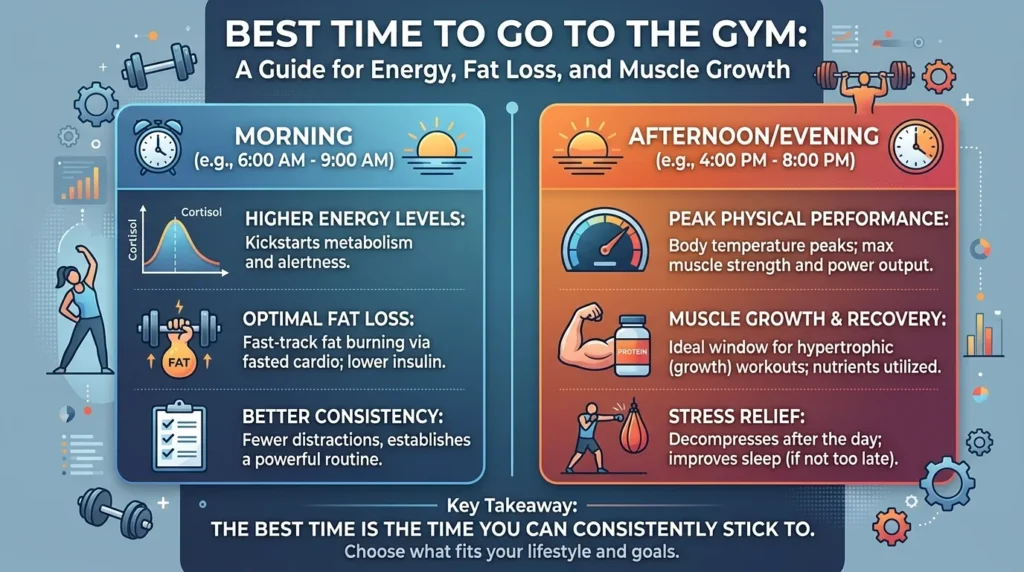

Finding the best time to go to the gym is one of the most common questions beginners and fitness enthusiasts ask. Some people swear by early morning workouts, while others feel stronger and more energetic in the evening. The truth is that there is no single perfect answer for everyone. The best gym time depends on your lifestyle, fitness goals, energy levels, work schedule, and personal habits.
In today’s fast-paced American lifestyle, staying active has become more important than ever. Millions of people across the United States are turning to gyms and fitness programs to improve their health, lose weight, build muscle, reduce stress, and boost confidence. Gym culture in the USA has evolved dramatically over the years. What started as simple weightlifting clubs decades ago has transformed into modern fitness centers offering strength training, cardio equipment, HIIT classes, functional fitness programs, and personalized coaching.
Whether you are a beginner starting your first workout routine or an experienced athlete looking to maximize results, understanding the best time to exercise can help improve consistency, motivation, and overall performance. This guide explains everything you need to know about gym timing, workout styles, fitness benefits, gym equipment, nutrition, recovery, and long-term success.
Why Regular Gym Workouts Matter
Fitness is more than just building muscles or losing weight. It is about improving overall physical and mental health. Regular exercise helps the body function better, increases energy, improves mood, and supports long-term wellness.
People who exercise consistently often experience:
- Better heart health
- Increased stamina and endurance
- Improved muscle strength
- Better sleep quality
- Lower stress levels
- Increased confidence
- Improved focus and productivity
- Better flexibility and mobility
Modern gym training combines science, discipline, and healthy habits to help people live stronger and healthier lives.
What Is the Best Time to Go to the Gym?
The best time to go to the gym depends on your personal schedule and fitness goals. Morning, afternoon, and evening workouts all offer unique benefits.
Morning Gym Workouts
Morning workouts are popular among busy professionals, students, and people trying to lose weight. Exercising early helps create consistency because fewer distractions appear before the day starts.
Benefits of Morning Workouts
- Boosts metabolism early in the day
- Helps improve focus and productivity
- Encourages workout consistency
- Supports fat-burning goals
- Creates a positive daily routine
Many people in the USA prefer morning cardio sessions because gyms are usually quieter before work hours.
Challenges of Morning Workouts
Some people may feel stiff or low on energy early in the morning. Proper warm-ups become especially important during early workouts.
Afternoon Gym Workouts
Afternoon training is often ideal for people with flexible schedules. During this time, body temperature is naturally higher, which may improve physical performance.
Benefits of Afternoon Training
- Better muscle flexibility
- Higher energy levels
- Improved strength performance
- Reduced injury risk
Athletes often perform well in the afternoon because the body feels fully awake and active.
Evening Gym Workouts
Evening workouts are extremely common in the USA, especially among working professionals.
Benefits of Evening Workouts
- Stress relief after work
- Increased strength and endurance
- Better workout intensity
- More time for longer training sessions
Evening gym sessions are excellent for strength training and muscle-building workouts because many people feel physically stronger later in the day.
Challenges of Evening Workouts
Busy gyms and mental fatigue after work can sometimes reduce motivation. Exercising too close to bedtime may also affect sleep for some individuals.
Choosing the Right Gym Time for Your Fitness Goals
Different goals may benefit from different workout times.
Best Time for Weight Loss
Morning cardio and fasted workouts may help some individuals burn fat more efficiently. However, consistency matters more than timing.
Popular fat-loss workouts include:
- Treadmill walking
- HIIT training
- Cycling
- Rowing workouts
- Jump rope sessions
Best Time for Muscle Building
Evening and afternoon workouts often support better strength performance because muscles are warmer and energy levels may be higher.
Muscle-building exercises include:
- Bench press
- Deadlifts
- Squats
- Pull-ups
- Dumbbell presses
Best Time for Stress Relief
Evening workouts are excellent for reducing stress and improving mood after a long workday.
Different Types of Gym Workouts
Modern gyms offer many workout styles designed for different goals and fitness levels.
Strength Training
Strength training focuses on building muscle and increasing physical power. It includes free weights, machines, resistance bands, and bodyweight exercises.
Benefits include:
- Increased muscle mass
- Stronger bones
- Faster metabolism
- Better posture
Cardio Workouts
Cardio exercises improve heart health and endurance.
Popular cardio activities include:
- Running
- Treadmills
- Cycling
- Stair climbing
- Rowing
HIIT Training
High-Intensity Interval Training combines short bursts of intense exercise with brief rest periods.
HIIT is popular because it:
- Burns calories quickly
- Saves time
- Improves conditioning
- Supports fat loss
Functional Training
Functional fitness focuses on real-life movement patterns. These exercises improve balance, mobility, and coordination.
Flexibility and Mobility Exercises
Stretching and mobility work help reduce stiffness and improve movement quality.
Yoga and dynamic stretching are excellent additions to any workout routine.
Common Gym Equipment and Their Uses
Understanding gym equipment helps beginners feel more confident.
Dumbbells
Dumbbells are versatile free weights used for strength training. They help improve balance and muscle coordination.
Barbells
Barbells are commonly used for heavy compound lifts like squats and deadlifts.
Treadmills
Treadmills are one of the most popular cardio machines in American gyms. They are ideal for walking, jogging, and running indoors.
Cable Machines
Cable machines provide constant resistance and support controlled movement patterns.
Resistance Machines
These machines help beginners learn proper exercise form safely.
Exercise Bikes
Exercise bikes are excellent for low-impact cardio workouts and endurance training.
Rowing Machines
Rowing machines provide full-body cardio while strengthening the back, legs, and arms.
Smith Machines
Smith machines support guided barbell movement and can help beginners train safely.
Physical Benefits of Going to the Gym
Regular gym workouts provide major physical health improvements.
Weight Loss and Fat Burning
Exercise increases calorie burning and supports healthy body composition.
Muscle Growth
Strength training stimulates muscle development and improves overall strength.
Better Heart Health
Cardio workouts strengthen the heart and improve blood circulation.
Increased Energy Levels
Consistent exercise improves endurance and reduces fatigue.
Better Flexibility and Mobility
Stretching and movement training improve joint health and posture.
Mental Health Benefits of Exercise
Gym workouts also improve emotional and mental wellness.
Stress Reduction
Exercise helps reduce stress hormones while increasing feel-good chemicals like endorphins.
Better Sleep
Regular physical activity often improves sleep quality and recovery.
Increased Confidence
Fitness progress builds self-esteem and body confidence.
Improved Focus and Productivity
Exercise improves mental clarity and concentration throughout the day.
Beginner Tips for Starting Gym Training
Starting the gym can feel overwhelming, but small steps create long-term success.
Start Slowly
Beginners should focus on learning proper form before lifting heavy weights.
Create a Simple Workout Plan
A balanced beginner routine may include:
- 3–4 workout days weekly
- Full-body exercises
- Cardio sessions
- Stretching work
Focus on Consistency
Consistency matters more than perfection. Regular workouts build long-term habits.
Learn Proper Exercise Form
Using correct form helps prevent injuries and improves results.
Take Rest Days
Muscles recover and grow during rest periods, not just during workouts.
Nutrition and Recovery for Better Results
Fitness success depends heavily on nutrition and recovery habits.
Healthy Eating Habits
Balanced meals should include:
- Lean protein
- Healthy carbohydrates
- Fruits and vegetables
- Healthy fats
Protein Intake
Protein supports muscle recovery and growth after workouts.
Common protein sources include:
- Chicken
- Fish
- Eggs
- Greek yogurt
- Protein shakes
Pre-Workout Meals
Eating light carbohydrates and protein before workouts may improve energy levels.
Post-Workout Meals
Post-workout nutrition helps muscles recover and replenish energy stores.
Hydration
Drinking enough water improves workout performance and recovery.
Sleep and Muscle Recovery
Most adults need 7–9 hours of quality sleep for optimal recovery and energy.
Common Gym Mistakes Beginners Should Avoid
Many beginners slow progress by making avoidable mistakes.
Overtraining
Training too hard without recovery may lead to fatigue and injuries.
Poor Exercise Form
Incorrect form increases injury risk and reduces effectiveness.
Skipping Warm-Ups
Warm-ups prepare muscles and joints for exercise.
Lifting Heavy Too Early
Beginners should prioritize technique over ego lifting.
Inconsistent Workouts
Irregular training makes progress difficult.
Ignoring Nutrition
Poor eating habits can limit workout results significantly.
Gym Safety and Injury Prevention
Safety should always be a top priority in the gym.
Proper Warm-Up Routine
Dynamic warm-ups improve blood flow and mobility before exercise.
Examples include:
- Arm circles
- Light jogging
- Bodyweight squats
- Leg swings
Cool-Down Exercises
Stretching after workouts helps improve flexibility and reduce stiffness.
Use Correct Equipment Settings
Adjust machines properly for your height and movement range.
Listen to Your Body
Pain is different from normal muscle fatigue. Rest when necessary.
Fitness Motivation and Long-Term Discipline
Motivation starts the journey, but discipline keeps it going.
Set Realistic Goals
Short-term and long-term goals create direction and accountability.
Examples include:
- Losing 10 pounds
- Running a 5K
- Building strength
- Improving flexibility
Build Healthy Habits
Simple habits create long-lasting fitness success.
Track Progress
Fitness journals, workout apps, and photos help measure improvement.
Find Enjoyable Workouts
People stay consistent longer when workouts feel enjoyable and rewarding.
Popular Fitness Trends in the USA
Fitness culture in America continues evolving rapidly.
Home Workouts
Many people combine gym workouts with home fitness routines for convenience.
Wearable Fitness Technology
Smartwatches and fitness trackers help monitor calories, heart rate, and workout progress.
Online Coaching
Virtual fitness coaching has become increasingly popular in recent years.
Functional Fitness Training
Functional workouts focus on real-world strength and movement.
Cross-Training
Cross-training combines multiple workout styles to improve overall fitness.
Interesting Fitness Facts
- Regular exercise may improve brain function and memory.
- Strength training can support healthy aging and bone health.
- Walking on a treadmill burns more calories when incline levels increase.
- Consistent workouts often improve mental health within a few weeks.
- Exercise is one of the best natural stress-management tools available.
How to Stay Consistent With Gym Training
The best workout schedule is the one you can maintain consistently.
To stay committed:
- Choose a realistic gym time
- Prepare gym clothes in advance
- Follow a structured workout plan
- Avoid comparing yourself to others
- Celebrate small victories
Fitness progress takes time, patience, and discipline.
Conclusion
The best time to go to the gym ultimately depends on your lifestyle, goals, energy levels, and personal preferences. Morning workouts can boost focus and fat burning, afternoon sessions may improve athletic performance, and evening workouts often provide stress relief and strength advantages. The most important factor is consistency.
Regular gym training offers incredible physical and mental health benefits, including weight loss, muscle growth, improved heart health, better sleep, reduced stress, and increased confidence. Combined with proper nutrition, hydration, recovery, and safe training habits, fitness can completely transform your quality of life.
Whether you are a beginner entering the gym for the first time or someone restarting a fitness journey, remember that progress happens one workout at a time. Stay patient, stay disciplined, and keep showing up for yourself. Every healthy choice you make brings you closer to a stronger, healthier, and more confident version of yourself.