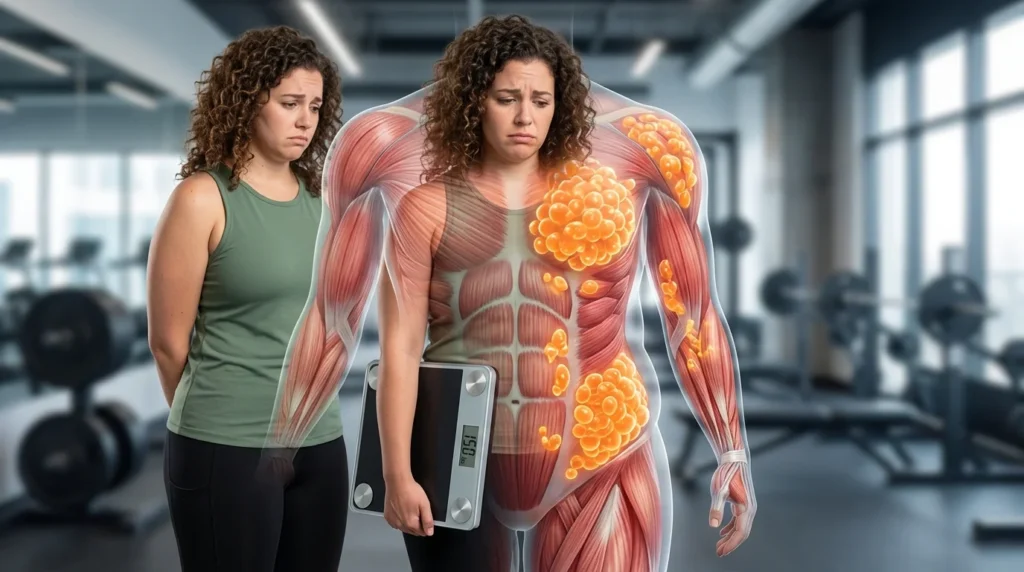

Many people start dieting or going to the gym with one simple goal: “I want to lose weight.” After a few weeks, they step on the scale and feel happy or disappointed based only on the number they see. But here is the truth most beginners don’t understand—weight loss and fat loss are not the same thing.
For example, a person may lose 3 kg in one week by dieting strictly, but most of that could be water and muscle, not fat. Another person may not see big changes on the scale, but still look slimmer and more toned because they are losing fat and gaining muscle.
Understanding the difference between fat loss and weight loss is very important for fitness success, body transformation, and long-term health. In this article, you will learn what both terms mean, how they work in the body, their causes, benefits, and the best way to achieve healthy results.
2. What is Fat Loss and Weight Loss?
🔹 Weight Loss (Simple Definition)
Weight loss means a reduction in total body weight, including:
- Fat
- Muscle
- Water
- Bone mass (small changes)
In simple words, if your body weight goes down on a scale, it is called weight loss.
🔹 Fat Loss (Simple Definition)
Fat loss means reducing only body fat percentage, while maintaining muscle mass.
📌 Real-life example:
A person doing crash dieting may lose weight quickly but also lose muscle. Another person doing strength training may stay the same weight but lose fat and look fitter.
3. Causes and Risk Factors
🔸 Causes of Weight Loss
- Calorie deficit diet
- Illness or infection
- Stress or anxiety
- Excess exercise without proper nutrition
🔸 Causes of Fat Loss
- Balanced calorie deficit
- Strength training
- High-protein diet
- Consistent exercise routine
🔸 Risk Factors
- Poor diet habits
- Sedentary lifestyle
- Hormonal imbalance
- Lack of sleep
- Extreme dieting methods
4. Symptoms and Warning Signs
🔹 Weight Loss Symptoms
- Sudden drop in body weight
- Weakness or fatigue
- Dizziness
- Loss of appetite
🔹 Fat Loss Signs
- Slimmer body shape
- Reduced belly fat
- Improved muscle tone
- Better strength and energy
⚠️ When to see a doctor
- Unexplained rapid weight loss
- Severe fatigue
- Continuous loss of appetite
5. How It Works in the Body
The body uses energy from food for daily activities.
Step-by-step process:
- When you eat fewer calories than you burn, body uses stored energy
- First, it uses glycogen (stored carbohydrates)
- Then, it may break down fat or muscle
- With proper training, body prefers fat as energy source
Easy analogy:
Think of your body like a fuel system. Fat is stored fuel, muscle is working engine. Fat loss means using stored fuel without damaging the engine.
6. Types / Classification
🔹 Healthy Weight Loss
- Slow and steady reduction
- Includes fat loss and muscle maintenance
🔹 Unhealthy Weight Loss
- Very fast reduction
- Loss of muscle and water
- Caused by crash diets or illness
🔹 Healthy Fat Loss
- Focused on reducing fat only
- Achieved through exercise and balanced diet
7. Diagnosis and Medical Tests
Doctors or fitness experts may use:
- Body Mass Index (BMI)
- Body fat percentage test
- Waist-to-hip ratio
- Blood tests (if health issue suspected)
📌 Simple explanation:
- BMI shows weight category
- Body fat percentage shows actual fat level
8. Treatment Options
🔹 Medical Approach
- Treat underlying disease if weight loss is unintentional
🔹 Lifestyle Approach
- Balanced diet
- Regular exercise
- Adequate sleep
🔹 Fitness Approach
- Strength training for muscle
- Cardio for fat burning
- High-protein diet for recovery
9. Prevention Tips
🥗 Healthy habits
- Eat balanced meals
- Avoid crash diets
- Stay hydrated
🏃 Exercise tips
- Mix cardio and strength training
- Exercise at least 3–5 days per week
🧠 Mental wellness
- Avoid stress eating
- Maintain consistent routine
- Set realistic goals
10. Advantages and Disadvantages
🔹 Fat Loss Advantages
- Better body shape
- Improved metabolism
- Long-term fitness results
🔹 Weight Loss Advantages
- Quick visible results
- Motivation boost initially
⚠️ Disadvantages of Weight Loss
- Muscle loss risk
- Weakness
- Unstable results
⚠️ Disadvantages of Poor Fat Loss Methods
- Slow progress
- Requires consistency
- Needs discipline
11. Applications / Real-Life Impact
🧍 Daily life impact
- Better energy levels
- Improved mobility
- Confidence boost
👨👩👧 Social impact
- Better self-image
- Improved lifestyle habits
💼 Work impact
- Higher productivity
- Less fatigue
12. Common Questions & Practical Solutions
Q1: Can fat loss happen without weight loss?
Yes. If you gain muscle while losing fat, weight may stay the same.
Q2: Is weight loss always healthy?
No. Uncontrolled weight loss can be harmful.
Q3: Which is better, fat loss or weight loss?
Fat loss is better because it improves body composition.
Q4: Can beginners achieve fat loss easily?
Yes, with proper diet and exercise plan.
13. Future Trends and Medical Advances
- Smart fitness tracking devices
- AI-based body composition analysis
- Personalized diet plans
- Advanced fat measurement technology
- Fitness apps for real-time monitoring
These technologies help people focus more on fat loss instead of just weight loss.
14. Conclusion
The difference between fat loss and weight loss is very important for anyone starting a fitness journey. Weight loss only shows a number change on the scale, while fat loss shows real body transformation. Healthy fat loss focuses on reducing fat while keeping muscles strong and active.
Understanding this difference helps you avoid unhealthy dieting methods and focus on long-term fitness. Instead of chasing quick weight loss, aim for consistent fat loss through balanced diet, exercise, and discipline.
Always remember, real fitness is not just about becoming lighter—it is about becoming healthier, stronger, and more energetic in daily life.