
Imagine going to the gym on a hot day and training hard for one hour, but you forget to drink water. After some time, you feel tired, dizzy, and your performance drops. This is a very common situation among beginners who do not understand the importance of hydration in fitness.
Water is not just a basic need for survival—it is a key element for energy, performance, and recovery in the human body. Whether you are running, lifting weights, or doing yoga, proper hydration directly affects how well your body performs.
Many fitness beginners focus only on diet and exercise, but ignore water intake. This mistake can lead to dehydration, low energy, and poor workout results.
In this article, you will learn what hydration means, how it works in fitness, its benefits, symptoms of dehydration, and how to maintain proper hydration for better health and performance.
What is Hydration in Fitness?
Hydration in fitness means maintaining the correct balance of water and fluids in your body to support physical activity, exercise performance, and overall health. It involves drinking enough fluids before, during, and after exercise so your body can function efficiently without dehydration or fatigue.
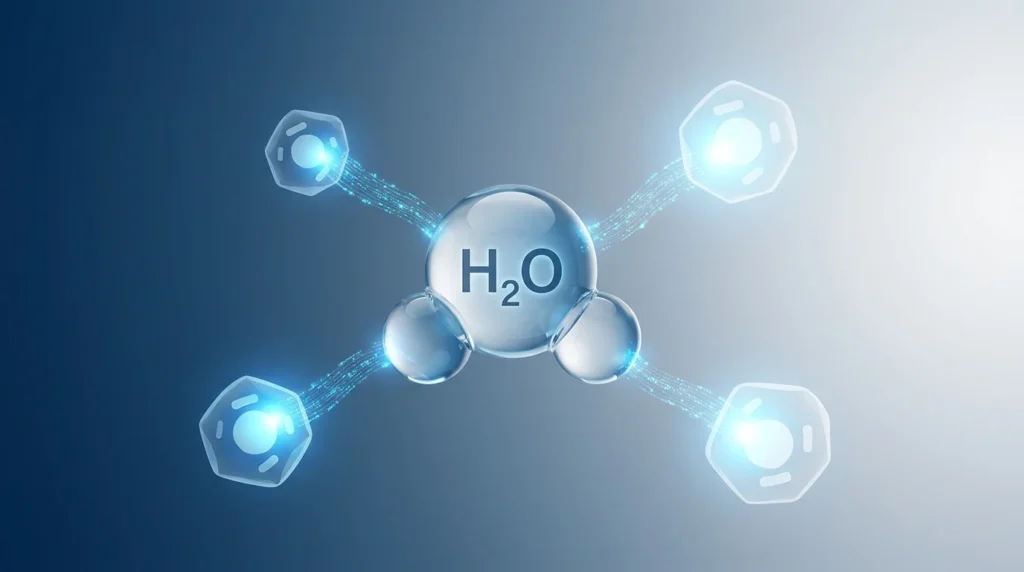
Since the human body is made up of around 60% water, staying hydrated is not optional—it is essential for movement, strength, endurance, and recovery.
Why Hydration is Important for the Body
Water plays a key role in almost every body function. During exercise, your body loses water through sweat and breathing. If this water is not replaced, performance drops quickly.
Here are the main functions of water in the body:
How Proper Hydration Supports Energy Production and Exercise Performance
Proper hydration is essential for energy production and overall exercise performance because water plays a critical role in nearly every metabolic process within the body. During physical activity, the body requires a continuous supply of energy to support muscle contractions, maintain endurance, and perform movements efficiently. Water helps transport nutrients such as carbohydrates, vitamins, and minerals to the cells, where they are converted into energy. It also assists in various biochemical reactions that produce adenosine triphosphate (ATP), the primary source of energy used by muscles during exercise. When the body is well-hydrated, blood circulates more effectively, delivering oxygen and nutrients to working muscles while removing waste products such as carbon dioxide and lactic acid. This process helps athletes and fitness enthusiasts maintain higher energy levels and perform at their best.
On the other hand, even mild dehydration can negatively affect physical performance. A loss of just a small percentage of body water can lead to reduced blood volume, making the heart work harder to pump oxygen-rich blood throughout the body. As a result, individuals may experience fatigue, weakness, dizziness, and decreased endurance. Dehydration can also impair concentration, reaction time, and coordination, which are important for both recreational and competitive sports. Furthermore, proper hydration helps regulate body temperature through sweating, preventing overheating during intense workouts. When body temperature remains stable, muscles function more efficiently, allowing individuals to train longer and with greater intensity. Drinking adequate water before, during, and after exercise supports optimal energy production, enhances stamina, improves athletic performance, and accelerates recovery. Therefore, maintaining proper hydration is one of the simplest yet most effective ways to maximize fitness results and ensure the body performs efficiently during physical activity.
Why Proper Hydration is Essential for Muscle Function, Strength, and Performance
Muscles need water to contract and relax properly. Dehydration can lead to:
- Muscle cramps
- Weak performance
- Faster fatigue
- Proper hydration is crucial for maintaining healthy muscle function, strength, and overall physical performance. Muscles are composed of approximately 75% water, making hydration an essential factor in their ability to contract, relax, and perform efficiently during physical activity. When the body is properly hydrated, water helps transport oxygen, nutrients, and electrolytes to muscle tissues, ensuring that they receive the resources needed to produce energy and sustain movement. This allows athletes and fitness enthusiasts to exercise with greater strength, endurance, and efficiency.
- During workouts, the body loses water through sweat, especially during intense exercise or hot weather conditions. If these fluid losses are not replaced, dehydration can occur, leading to muscle fatigue, reduced strength, and poor athletic performance. Even mild dehydration can affect the balance of important electrolytes such as sodium, potassium, and magnesium, which are necessary for proper muscle contractions. As a result, individuals may experience muscle cramps, stiffness, weakness, and slower reaction times.
- Proper hydration also helps remove metabolic waste products that accumulate in muscles during exercise, reducing soreness and supporting faster recovery. Well-hydrated muscles are more flexible and less prone to injury, allowing individuals to train consistently and effectively. Whether you are lifting weights, running, cycling, or participating in sports, drinking enough water before, during, and after exercise is essential for maintaining muscle health, maximizing strength, improving performance, and promoting long-term fitness success.
Why Proper Hydration is Essential for Body Temperature Regulation and Exercise Performance
During exercise, your body heats up. Sweat helps cool it down, but this process uses water. Proper hydration prevents overheating and heat stress.
Proper hydration is essential for regulating body temperature and maintaining optimal exercise performance. During physical activity, the body’s muscles generate heat as they work harder to produce energy. If this heat is not controlled, body temperature can rise rapidly, leading to discomfort, fatigue, and reduced performance. Water plays a vital role in the body’s natural cooling system by helping regulate internal temperature through sweating. When sweat evaporates from the skin, it removes excess heat and helps keep the body cool, allowing individuals to continue exercising safely and effectively.
During intense workouts or activities performed in hot environments, the body can lose a significant amount of water through sweat. If these fluids are not replaced, dehydration can occur, making it more difficult for the body to cool itself. As a result, body temperature may increase, causing symptoms such as dizziness, headaches, muscle cramps, excessive fatigue, and reduced endurance. Severe dehydration can even lead to heat exhaustion or heat stroke, which are serious health conditions.
Proper hydration also supports healthy blood circulation, ensuring that oxygen and nutrients are delivered efficiently to working muscles. This helps maintain energy levels, improves stamina, and enhances overall athletic performance. Athletes and fitness enthusiasts who stay well-hydrated can often exercise longer, recover faster, and perform at a higher level than those who are dehydrated. Therefore, drinking adequate water before, during, and after exercise is crucial for maintaining a stable body temperature, preventing overheating, and achieving the best possible fitness and performance results.
Why Proper Hydration is Essential for Joint Health, Lubrication, and Mobility
Water keeps your joints lubricated, reducing friction and making movements smoother and safer during physical activity.
Proper hydration is essential for maintaining healthy joints, smooth movement, and overall physical mobility. Joints are the connections between bones that allow the body to move freely during daily activities and exercise. To function properly, joints rely on a lubricating fluid known as synovial fluid, which helps reduce friction between bones and cushions the joints during movement. Water is a major component of this fluid, making hydration crucial for keeping joints well-lubricated and functioning efficiently.
When the body is adequately hydrated, synovial fluid can effectively protect the cartilage that covers the ends of bones. This lubrication allows joints to move smoothly and comfortably during activities such as walking, running, lifting weights, and participating in sports. Proper hydration also helps maintain the elasticity and shock-absorbing properties of cartilage, reducing the risk of joint discomfort and wear over time.
On the other hand, dehydration can decrease the effectiveness of joint lubrication, leading to increased friction, stiffness, and discomfort during movement. Individuals who are dehydrated may experience reduced flexibility and a greater risk of joint-related injuries, especially during intense physical activity. Staying hydrated also supports the delivery of nutrients to joint tissues and helps remove waste products that can contribute to inflammation.
By drinking enough water throughout the day, individuals can support healthy joint function, improve mobility, reduce stiffness, and enhance overall physical performance. Proper hydration is therefore a simple yet important factor in maintaining long-term joint health and an active lifestyle.
Why Proper Hydration is Essential for Oxygen and Nutrient Transport, Performance, and Recovery
Hydration helps blood carry oxygen and nutrients to muscles. This improves endurance and speeds up recovery after exercise.
Proper hydration is vital for the efficient transport of oxygen and nutrients throughout the body, which directly supports exercise performance and recovery. Blood is composed largely of water, and when the body is well-hydrated, blood flows smoothly through the vessels, allowing oxygen and essential nutrients to reach muscles and organs effectively. This process is crucial during physical activity because working muscles require a continuous supply of oxygen and energy-producing nutrients to maintain strength, endurance, and performance.
When hydration levels are adequate, the cardiovascular system functions more efficiently. The heart does not need to work as hard to pump blood, which helps maintain stable energy levels and reduces early fatigue. Nutrients such as glucose, amino acids, and electrolytes are transported more effectively, supporting muscle contractions and overall physical output. This ensures that the body performs at an optimal level during exercise or sports activities.
In contrast, dehydration reduces blood volume, making circulation slower and less efficient. This can lead to reduced oxygen delivery, muscle fatigue, dizziness, and decreased performance. It also slows down recovery after exercise because waste products like lactic acid are not removed as efficiently from the muscles.
Proper hydration also supports faster recovery by helping repair muscle tissues and restore energy stores after exercise. Therefore, maintaining adequate fluid intake before, during, and after physical activity is essential for improving oxygen delivery, enhancing performance, and ensuring effective recovery.
Simple Real-Life Example
Imagine you are running or working out in a gym without drinking enough water. After a short time, you may notice:
- Heavy breathing
- Dizziness
- Muscle weakness
- Early fatigue
This happens because your body is losing water faster than it is being replaced.
Now compare this with proper hydration:
When you drink water regularly before and during exercise, your body stays cool, your energy remains stable, and you can exercise for a longer time without exhaustion.
Signs of Poor Hydration (Dehydration)
You may not always realize you are dehydrated. Some common signs include:
- Dry mouth and lips
- Headache
- Dark yellow urine
- Low energy levels
- Muscle cramps
- Reduced performance
How to Stay Properly Hydrated During Fitness
Importance of Proper Hydration Before Exercise for Energy and Performance
Drink water 1–2 hours before your workout to prepare your body.
Proper hydration before exercise is essential for preparing the body for physical activity, improving energy levels, and enhancing overall performance. When the body is well-hydrated before a workout, it helps maintain normal blood volume and ensures smooth circulation of oxygen and nutrients to the muscles. This allows the body to function efficiently from the start of exercise and supports better endurance throughout the session.
Drinking enough water before exercise also helps regulate body temperature. As the body begins to warm up during physical activity, proper hydration supports the sweating process, which prevents overheating and keeps performance stable. Without adequate hydration, the body can quickly become fatigued, leading to reduced strength, slower reaction time, and poor exercise performance.
Pre-exercise hydration is also important for muscle function. Water helps maintain electrolyte balance, which is necessary for proper muscle contractions and nerve signaling. This reduces the risk of muscle cramps, stiffness, and early fatigue during workouts.
In addition, staying hydrated before exercise improves mental focus and concentration, allowing individuals to perform exercises with better control and coordination. Even mild dehydration before a workout can negatively affect stamina and energy levels.
Therefore, drinking enough water before exercise is a simple but powerful way to prepare the body, boost energy, improve endurance, and ensure safe and effective workout performance.
importance of Proper Hydration During Exercise for Performance and Endurance
Take small sips of water every 10–15 minutes, especially during intense workouts.
Proper hydration during exercise is very important for maintaining energy levels, endurance, and overall physical performance. When you exercise, your body produces heat and loses water through sweat. If this water is not replaced, dehydration can quickly occur, leading to tiredness, weakness, and reduced performance. Drinking water during exercise helps the body stay cool and prevents overheating by supporting the natural sweating process.
Hydration also plays a key role in keeping muscles working efficiently. Water helps transport oxygen and nutrients to active muscles, allowing them to produce energy and continue working for a longer time. It also helps maintain electrolyte balance, which is essential for proper muscle contraction and preventing cramps or stiffness during workouts.
In addition, staying hydrated during exercise improves focus, reaction time, and coordination, which are important for both sports and gym training. Even small amounts of fluid loss can affect performance, so regular water intake during activity is necessary. Therefore, drinking water during exercise helps improve endurance, reduces fatigue, and ensures better overall workout performance and safety.
Importance of Proper Hydration After Exercise for Recovery and Performance
Rehydrate to replace all the fluids lost through sweat. This helps in faster muscle recovery.
Proper hydration after exercise is essential for restoring the body’s fluid balance, supporting muscle recovery, and maintaining overall performance. During physical activity, the body loses a significant amount of water and electrolytes through sweat. If these fluids are not replaced after exercise, it can lead to dehydration, fatigue, and slower recovery. Drinking enough water after a workout helps the body return to its normal state and prepares it for future physical activity.
One of the main benefits of post-exercise hydration is faster muscle recovery. Water helps transport nutrients such as proteins, vitamins, and minerals to damaged muscle tissues, supporting repair and growth. It also helps remove waste products like lactic acid that build up in muscles during intense exercise, reducing soreness and stiffness. This allows individuals to recover more quickly and maintain a consistent training routine.
Proper hydration also helps restore electrolyte balance in the body. Electrolytes such as sodium, potassium, and magnesium are important for muscle function and nerve signaling. When these levels are balanced, the risk of muscle cramps and weakness is reduced, and physical performance improves.
In addition, staying hydrated after exercise supports healthy blood circulation and helps regulate body temperature. It also reduces feelings of exhaustion and improves overall energy levels. Athletes and fitness enthusiasts who rehydrate properly after workouts often experience better endurance and improved long-term performance. Therefore, drinking adequate water after exercise is a simple but powerful step for recovery, muscle health, and continued fitness progress.
Hydration is one of the most important factors in fitness and physical performance. It directly affects your strength, stamina, temperature control, and recovery. By drinking enough water consistently before, during, and after exercise, you can improve your workout performance and keep your body healthy and active.
3. Causes and Risk Factors of Dehydration in Fitness: Understanding Why the Body Loses Fluids
Dehydration in fitness occurs when the body loses more fluids than it takes in, affecting performance, energy levels, and overall health. During physical activity, the risk of dehydration increases due to several internal, lifestyle, and environmental factors. Understanding these causes helps athletes and fitness enthusiasts prevent fatigue, weakness, and reduced workout efficiency.
🔹 Main Causes of Dehydration During Exercise
1. Insufficient Water Intake During Exercise
One of the most common causes of dehydration is not drinking enough water during workouts. When fluid intake does not match the amount of water lost through sweat, the body quickly becomes dehydrated. This leads to reduced endurance, muscle fatigue, and poor exercise performance.
2. Excessive Sweating During Workouts
Intense physical activity increases body temperature, causing heavy sweating. If sweat loss is not replaced with fluids, the body loses essential water and electrolytes, resulting in dehydration and decreased energy levels.
3. High-Intensity Training Without Hydration Breaks
Engaging in continuous high-intensity exercise without taking hydration breaks puts extra stress on the body. Without regular water intake, the body struggles to maintain performance and temperature control.
4. Exercising in Hot Weather Conditions
Working out in hot environments increases sweat production significantly. This accelerates fluid loss, making the body more vulnerable to dehydration if proper hydration is not maintained.
🔹 Lifestyle-Related Factors Contributing to Dehydration
1. Busy Routine and Poor Water Intake Habits
A busy lifestyle often leads to forgetting to drink enough water throughout the day. Poor daily hydration habits increase the risk of dehydration during exercise.
2. Excessive Consumption of Caffeine or Energy Drinks
Drinks containing caffeine can increase urine output, leading to additional fluid loss. Relying too much on energy drinks instead of water can worsen dehydration levels.
3. Skipping Water Before and After Workouts
Many individuals neglect proper hydration before starting exercise and fail to rehydrate afterward. This prevents the body from recovering fluid balance effectively.
🔹 Environmental Factors Increasing Dehydration Risk
1. Hot and Humid Weather Conditions
High temperatures and humidity make it harder for sweat to evaporate, increasing fluid loss and raising the risk of dehydration during physical activity.
2. Outdoor Training in Direct Sunlight
Exercising under direct sunlight intensifies heat exposure, causing the body to sweat more and lose water rapidly.
3. Dry Indoor Gym Environments
Even indoor gyms can contribute to dehydration, especially when air conditioning or low humidity increases water loss through respiration and sweat.
Proper awareness of these causes and risk factors helps individuals maintain better hydration habits, improve workout performance, and protect overall health during fitness activities.
4. Symptoms and Warning Signs of Dehydration
🔸 Early Symptoms
- Dry mouth
- Mild tiredness
- Headache
- Reduced energy
🔸 Advanced Symptoms
- Dizziness
- Muscle cramps
- Dark yellow urine
- Rapid heartbeat
⚠️ When to see a doctor
- Severe weakness
- Fainting during exercise
- Continuous dehydration signs
5. How Hydration Works in the Body
Water plays a very important role in almost every body function.
Step-by-step process:
- Water helps transport oxygen and nutrients to muscles
- It regulates body temperature through sweat
- It lubricates joints for smooth movement
- It removes waste through urine and sweat
Easy analogy:
Think of your body like a machine. Water is like oil that keeps all parts running smoothly without overheating.
6. Types of Hydration
🔹 1. Normal Hydration
- Balanced water level in body
- Ideal for daily fitness performance
🔹 2. Dehydration
- Low water level in body
- Causes fatigue and poor performance
🔹 3. Overhydration
- Excess water intake
- Can disturb electrolyte balance
7. Diagnosis and Monitoring
Doctors and trainers may check hydration using:
- Urine color test
- Blood tests (electrolyte levels)
- Body weight changes before and after exercise
- Heart rate monitoring
Simple explanation:
Dark urine usually means low hydration, while light yellow urine indicates good hydration.
8. Treatment Options
🔹 Medical approach
- Oral rehydration solutions (ORS)
- Electrolyte replacement if needed
🔹 Lifestyle approach
- Drinking water regularly
- Balanced fluid intake during workouts
🔹 Fitness approach
- Pre-hydration before exercise
- Small water breaks during training
- Post-workout hydration recovery
9. Prevention Tips for Proper Hydration
🥗 Healthy habits
- Drink water every 2–3 hours
- Start workout with hydrated body
- Avoid too much caffeine
🏃 Exercise tips
- Drink water before workout
- Take small sips during exercise
- Rehydrate after training
🧠 Mental wellness
- Keep a water reminder routine
- Track daily water intake
10. Advantages and Disadvantages
✅ Benefits of Proper Hydration
- Better workout performance
- Improved muscle recovery
- Higher energy levels
- Better focus and endurance
❌ Risks of Poor Hydration
- Muscle cramps
- Fatigue
- Poor performance
- Risk of heatstroke
11. Applications / Real-Life Impact
🧍 Daily life impact
- Better physical strength
- Reduced tiredness
- Improved digestion
💼 Work and sports impact
- Higher productivity
- Better athletic performance
- Faster recovery after exercise
😊 Social impact
- Better mood
- Improved confidence during sports
12. Common Questions & Practical Solutions
Q1: How much water should I drink during fitness?
It depends on body weight and exercise intensity, but regular sipping is recommended.
Q2: Can dehydration affect muscle growth?
Yes, dehydration reduces performance and slows recovery.
Q3: Is drinking too much water harmful?
Yes, excessive water can disturb body electrolytes.
Q4: Can hydration improve fat loss?
Yes, proper hydration supports metabolism and fat burning.
13. Future Trends and Medical Advances
- Smart water bottles with hydration tracking
- Fitness wearables measuring hydration levels
- Personalized hydration plans using AI
- Advanced electrolyte supplements
These innovations will make hydration monitoring more accurate and beginner-friendly.
14. Conclusion
The importance of hydration in fitness cannot be ignored. Water is essential for energy, performance, recovery, and overall health. Without proper hydration, even the best workout plan cannot give effective results.
Hydration helps your muscles work better, prevents fatigue, and improves endurance during exercise. It is a simple habit but has a powerful impact on fitness success.
For beginners, maintaining proper water intake is one of the easiest and most effective ways to improve performance. Always remember: a well-hydrated body is a stronger, healthier, and more active body.