
Strong shoulders do much more than improve appearance. They help with lifting, pushing, posture, athletic performance, and everyday movement. Whether you are carrying groceries, playing sports, lifting weights, or working at a desk all day, healthy shoulders are essential for a strong and active lifestyle.
In modern American fitness culture, shoulder training has become one of the most popular parts of gym workouts. From athletes and bodybuilders to office workers and beginners, people train shoulders to build upper-body strength, improve posture, and create a balanced physique. Well-developed shoulders also help create the wide and athletic look many gym-goers want.
Over the years, gym culture in the United States has evolved from basic strength training into a complete fitness movement focused on health, wellness, and performance. Today, gyms offer advanced machines, personal coaching, group classes, and digital fitness tracking to help people train smarter and safer.
For beginners, shoulder exercises at the gym may seem confusing at first because there are many machines, dumbbells, cables, and movement styles. However, once you understand the basics, shoulder training becomes simple, enjoyable, and highly effective.
This complete guide explains everything you need to know about shoulder workouts, including shoulder anatomy, best shoulder exercises, gym equipment, workout styles, nutrition, recovery, injury prevention, motivation, and beginner fitness tips.
Why Shoulder Training Is Important
The shoulders are among the most mobile joints in the human body. They allow arm movement in multiple directions and support many upper-body exercises.
Improves Upper-Body Strength
Strong shoulders help improve performance in exercises such as bench presses, push-ups, pull-ups, and overhead lifts.
Enhances Posture
Weak shoulder muscles often contribute to rounded shoulders and poor posture. Shoulder training helps support spinal alignment and upper-body stability.
Supports Daily Activities
Simple tasks like lifting boxes, reaching overhead shelves, or carrying bags become easier with stronger shoulders.
Creates a Balanced Physique
Well-trained shoulders improve body symmetry and give the upper body a wider, more athletic appearance.
Understanding the Main Shoulder Muscles
Before starting shoulder exercises at the gym, it helps to understand the main muscles involved.
Anterior Deltoid
The front shoulder muscle helps with pressing and lifting movements.
Lateral Deltoid
The side shoulder muscle creates shoulder width and helps lift the arms outward.
Posterior Deltoid
The rear shoulder muscle supports posture and pulling movements.
Trapezius Muscles
These muscles support the neck, upper back, and shoulder stability.
Rotator Cuff Muscles
Small stabilizing muscles help protect the shoulder joint and improve movement control.
Fitness Basics Every Beginner Should Know
Strength Training
Strength training uses resistance to build muscle and improve power. Shoulder workouts commonly involve dumbbells, barbells, resistance machines, and cables.
Cardio Training
Cardio improves heart health, endurance, and calorie burning. Popular options include treadmills, rowing machines, cycling, and HIIT workouts.
HIIT Workouts
High-Intensity Interval Training combines short periods of intense effort with recovery breaks. HIIT supports fat loss and cardiovascular fitness.
Functional Training
Functional exercises improve movements used in everyday life and sports activities.
Flexibility and Mobility
Stretching and mobility exercises improve shoulder movement and reduce stiffness or injury risk.
Best Shoulder Exercises at the Gym
Dumbbell Shoulder Press
This is one of the best beginner shoulder exercises for building strength and muscle.
Benefits include:
- Improved shoulder size
- Better pressing power
- Increased upper-body stability
Tips:
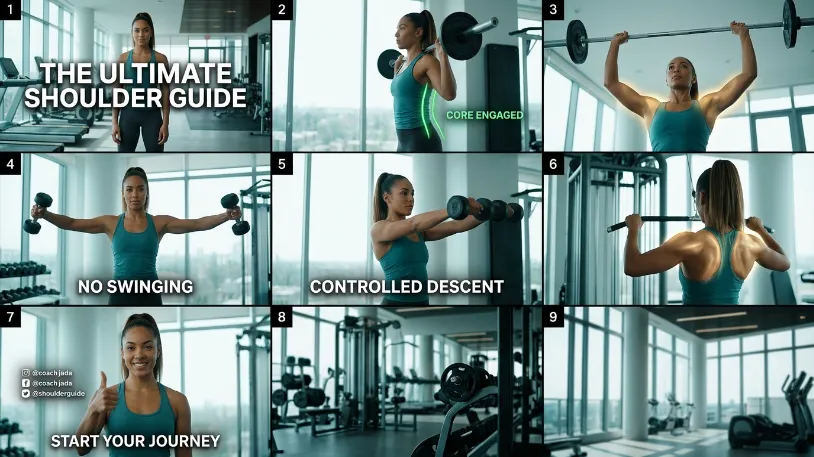
- Keep your back straight
- Press weights smoothly
- Avoid locking the elbows aggressively
Lateral Raises
Lateral raises target the side deltoids and help create wider shoulders.
Use light to moderate weight and focus on controlled movement.
Front Raises
Front raises strengthen the front shoulder muscles and improve lifting power.
Rear Delt Flys
This exercise improves posture and strengthens the rear shoulders.
Rear shoulder training is often neglected by beginners but is important for shoulder balance.
Arnold Press
Named after Arnold Schwarzenegger, this exercise combines rotation with pressing for full shoulder activation.
Face Pulls
Face pulls strengthen rear delts and upper back muscles while improving posture and shoulder health.
Upright Rows
Upright rows target the shoulders and traps, but beginners should use proper form to avoid strain.
Sample Beginner Shoulder Workout
Beginner Shoulder Routine
- Dumbbell Shoulder Press – 3 sets of 10 reps
- Lateral Raises – 3 sets of 12 reps
- Front Raises – 3 sets of 10 reps
- Rear Delt Flys – 3 sets of 12 reps
- Face Pulls – 3 sets of 15 reps
Rest 60–90 seconds between sets.
Common Gym Equipment for Shoulder Workouts
Dumbbells
Dumbbells improve muscle balance and natural movement patterns.
Barbells
Barbells are useful for heavier shoulder presses and strength development.
Cable Machines
Cable systems provide constant resistance and improve muscle control.
Smith Machines
Smith machines offer stability and controlled movement for beginners.
Resistance Machines
Machines help isolate shoulder muscles safely and reduce injury risk.
Rowing Machines
Rowing strengthens the upper back and supports shoulder endurance.
Exercise Bikes and Treadmills
Cardio equipment improves stamina and supports overall fitness goals.
Benefits of Shoulder Exercises
Muscle Growth
Shoulder training increases upper-body muscle development and strength.
Better Athletic Performance
Athletes benefit from stronger shoulders during throwing, pushing, swimming, and lifting movements.
Improved Joint Stability
Strong shoulder muscles help stabilize the joints and reduce injury risk.
Increased Calorie Burning
Resistance training boosts metabolism and supports fat loss goals.
Better Confidence
Many people feel more confident when they develop stronger posture and improved body shape.
Reduced Neck and Upper Back Tension
Proper shoulder training can reduce muscular imbalances caused by long desk hours.
Nutrition Tips for Shoulder Training
Eat Enough Protein
Protein helps repair muscle tissue after workouts.
Good protein sources include:
- Chicken
- Eggs
- Fish
- Greek yogurt
- Beans
- Protein shakes
Healthy Carbohydrates
Carbs provide workout energy and support recovery.
Examples include:
- Oatmeal
- Brown rice
- Sweet potatoes
- Whole-grain bread
Stay Hydrated
Water improves muscle function, recovery, and workout performance.
Pre-Workout Meals
Eat balanced meals with protein and carbs about 1–2 hours before training.
Post-Workout Recovery
After workouts, consume protein and healthy carbohydrates to help muscle recovery.
Recovery and Rest Days
Recovery is just as important as exercise.
Why Recovery Matters
Recovery allows muscles to repair and grow stronger.
Without recovery, overtraining and fatigue can occur.
Importance of Sleep
Adults should aim for 7–9 hours of quality sleep each night.
Sleep supports hormone balance, muscle repair, and mental recovery.
Stretching and Mobility Work
Post-workout stretching improves flexibility and reduces stiffness.
Foam rolling may also help muscle recovery.
Common Shoulder Training Mistakes
Lifting Too Heavy
Many beginners sacrifice proper form to lift heavier weights.
This increases injury risk and reduces exercise effectiveness.
Skipping Warm-Ups
Cold muscles are more likely to experience strain or discomfort.
Poor Posture During Exercises
Incorrect posture can place stress on the neck and lower back.
Ignoring Rear Delts
Focusing only on front shoulder exercises creates muscle imbalance.
Training Too Frequently
Shoulders need recovery time between intense workouts.
Using Momentum Instead of Muscle Control
Swinging weights reduces muscle activation and proper technique.
Shoulder Safety and Injury Prevention
Warm Up Properly
Begin workouts with light cardio and shoulder mobility exercises.
Use Controlled Movements
Avoid jerking or swinging weights aggressively.
Focus on Technique First
Proper form is more important than lifting heavy weights.
Avoid Overtraining
Allow at least 48 hours of recovery between intense shoulder sessions.
Strengthen Supporting Muscles
Upper back and rotator cuff exercises improve shoulder stability.
Staying Motivated in the Gym
Set Realistic Goals
Start with achievable goals like:
- Improving exercise form
- Increasing workout consistency
- Building strength gradually
Track Progress
Workout journals and fitness apps help maintain motivation.
Build Healthy Habits
Consistency matters more than perfection.
Train With Friends
Workout partners can improve accountability and enjoyment.
Celebrate Small Victories
Progress takes time, and every improvement matters.
Popular Fitness Trends in the USA
Home Workouts
Many Americans now use adjustable dumbbells and resistance bands at home.
Wearable Fitness Technology
Smartwatches and fitness trackers help monitor workouts and recovery.
Online Coaching
Virtual trainers and fitness apps provide accessible workout guidance.
Functional Fitness
Functional training continues growing because it improves real-life movement skills.
Cross-Training
Many people combine strength training, cardio, mobility, and sports training for balanced fitness.
Interesting Shoulder Fitness Facts
- The shoulder joint has the greatest range of motion in the human body.
- Proper posture can improve breathing efficiency and confidence.
- Strength training may help improve bone density as people age.
- Consistent resistance training supports long-term joint health.
- Rear shoulder muscles are often weaker because many daily activities involve forward movement.
Conclusion
Shoulder exercises at the gym are an important part of building a strong, healthy, and balanced body. Strong shoulders improve posture, increase upper-body strength, support athletic performance, and make everyday activities easier. Whether your goal is muscle growth, weight loss, better fitness, or improved confidence, shoulder training can help you move closer to your goals.
The key to success is consistency, proper form, smart recovery, and patience. Beginners should focus on learning movement quality before increasing weight or intensity. Small improvements made consistently over time lead to lasting fitness results.
Remember that fitness is not only about appearance. Regular exercise improves physical health, mental wellness, energy levels, sleep quality, and overall quality of life. Every workout is an investment in your future health and confidence.
Stay motivated, train safely, and enjoy the journey toward stronger shoulders and a healthier lifestyle.